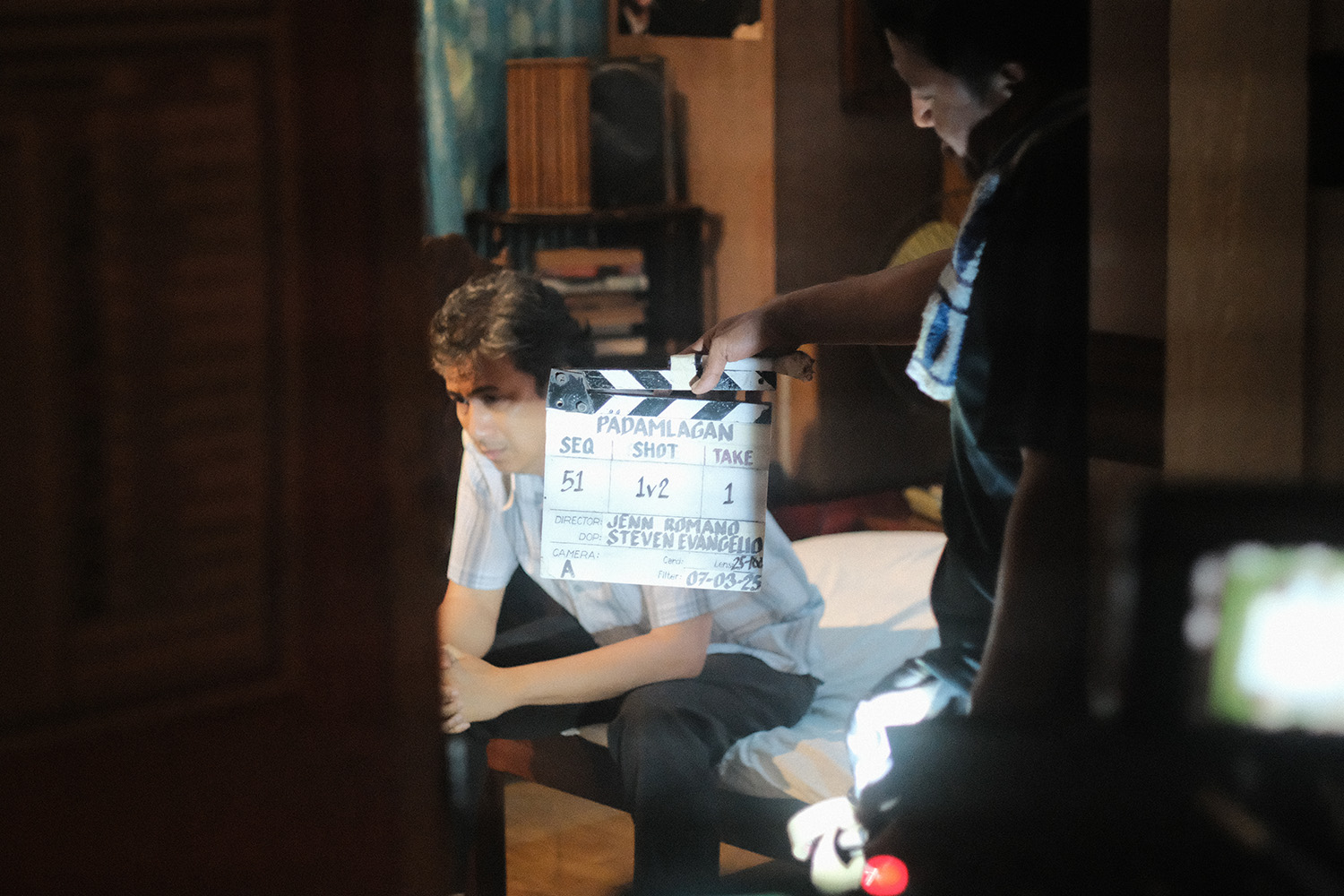
PADAMLÁGAN
PADAMLÁGAN
(NIGHT LIGHT)
by Jenn Romano
90 MINUTES | Period drama

FILM SCHEDULE
CAST
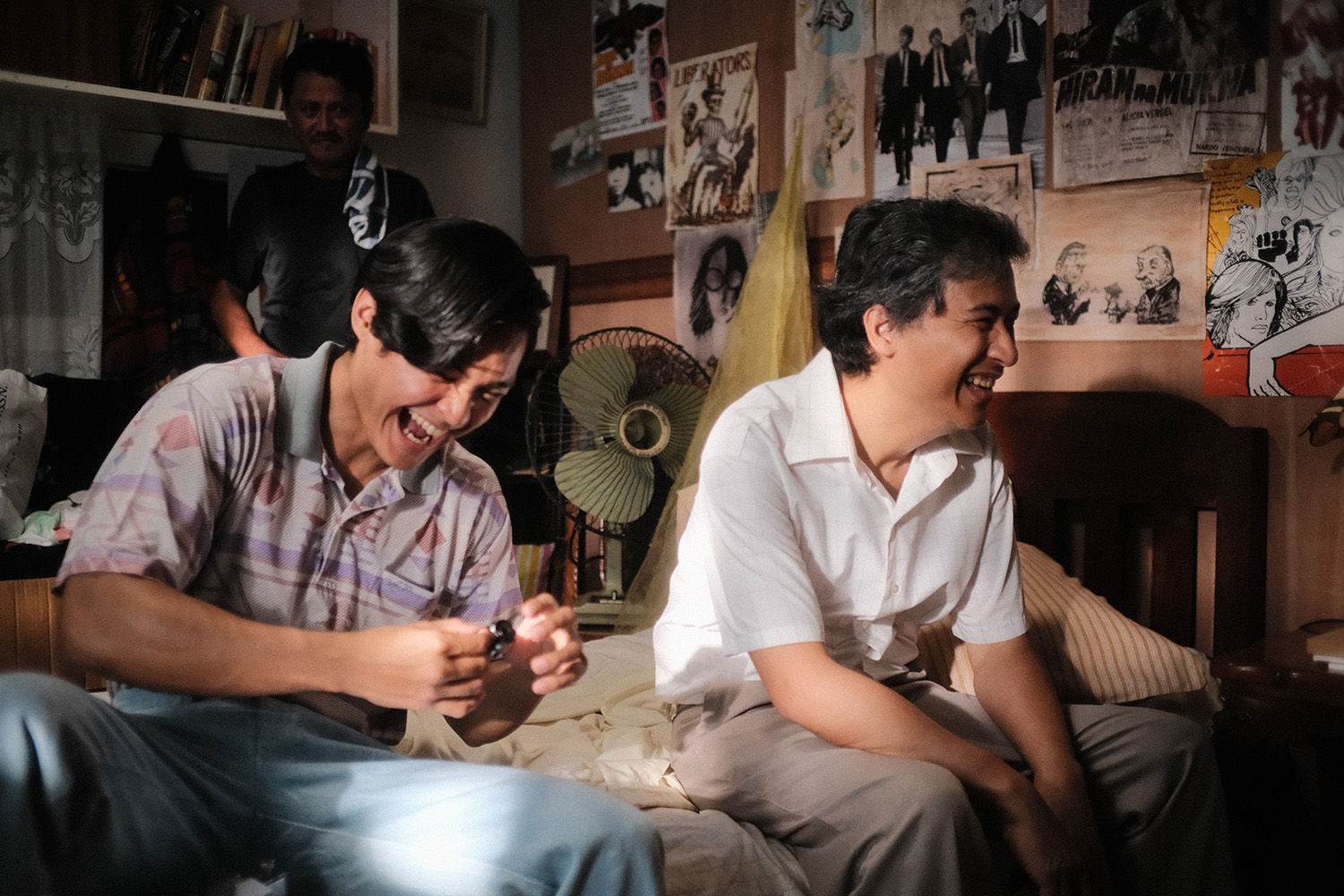
Ely Buendia, Esteban Mara, Sue Prado, Floyd Tena, Mildren Anne Estela, Frank Peñones
PRODUCTION
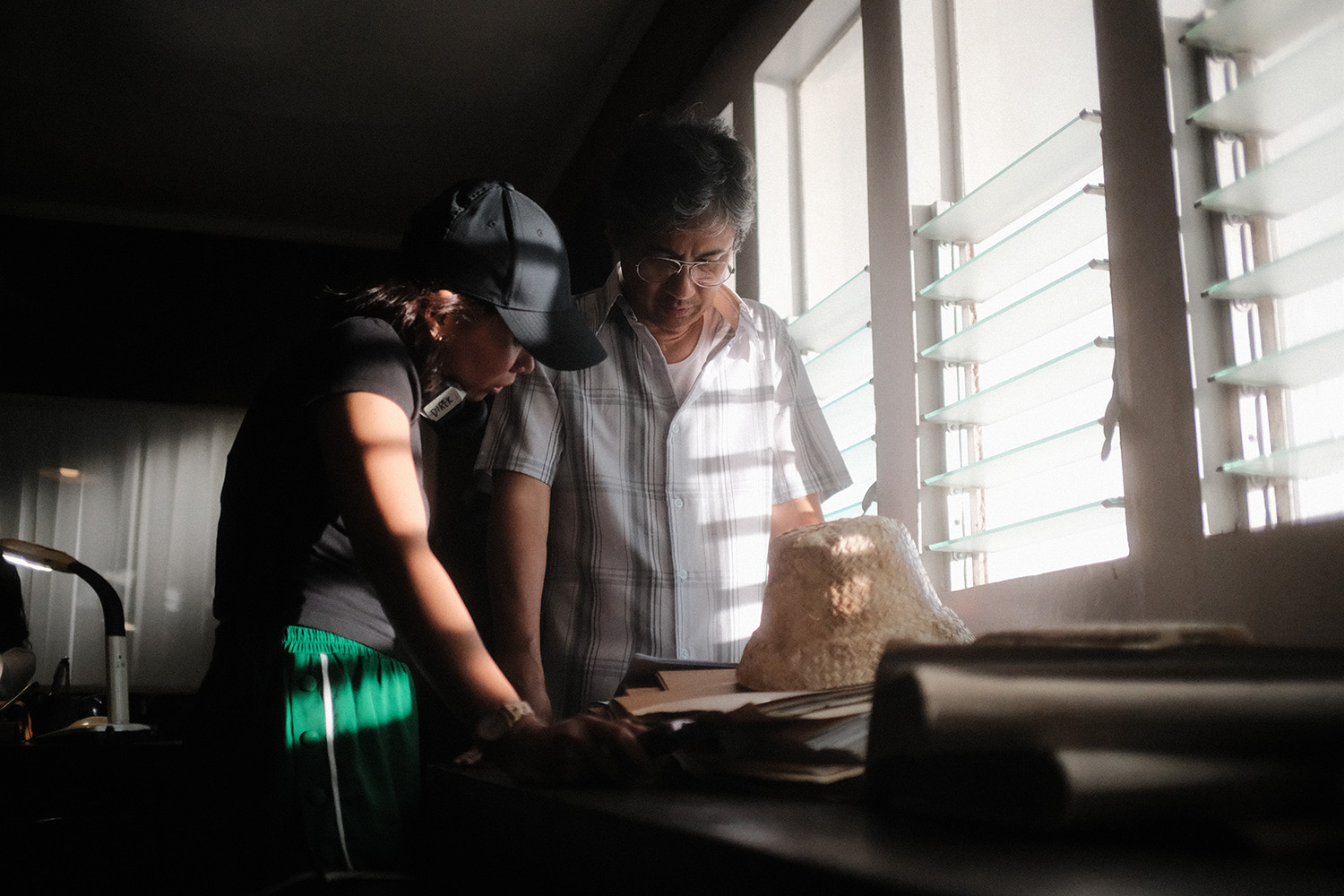
DIRECTOR/SCREENPLAY – Jenn Romano
SCREENPLAY – Ivan Villacorta Gentolizo
CINEMATOGRAPHER – Steven Paul Evangelio
PRODUCTION DESIGN – Jeric Delos Angeles
EDITOR – Fea Fortuna, Boyet Abrenica
ORIGINAL MUSIC SCORE – Khryss Arañas
SOUND DESIGN – Bebet Casas
EXECUTIVE PRODUCERS – Deli Tibi, Lance Collins, Abijah Bautista
PRODUCER – Kristine De Leon
CO-PRODUCERS – Jon Galvez, Leo Liban, Carlos Ortiz, Yssa Valdez
LOGLINE
Five days before the proclamation of Martial Law, the Colgante Bridge collapsed in Naga, forcing a father into a desperate search for his missing son.
SYNOPSIS
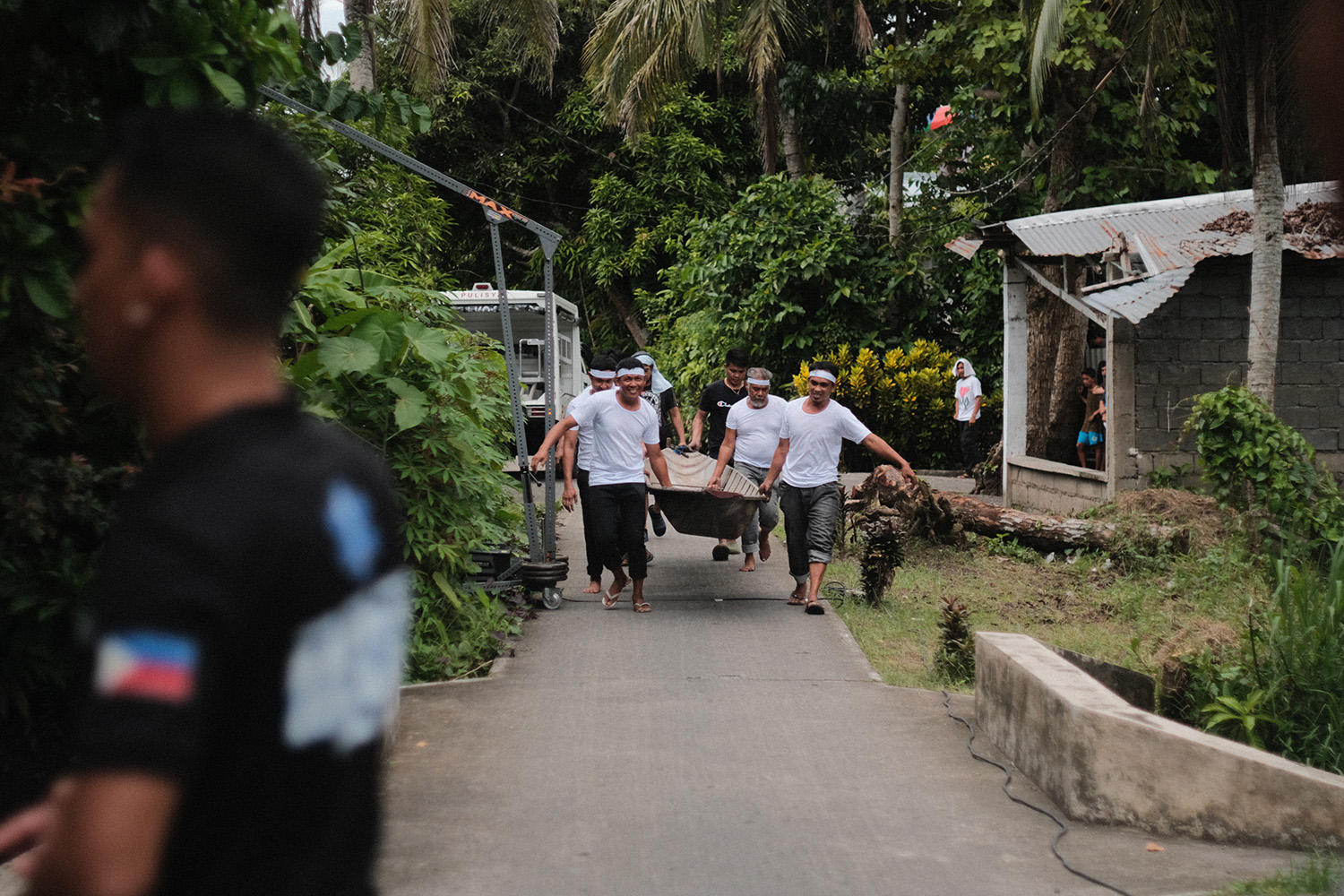
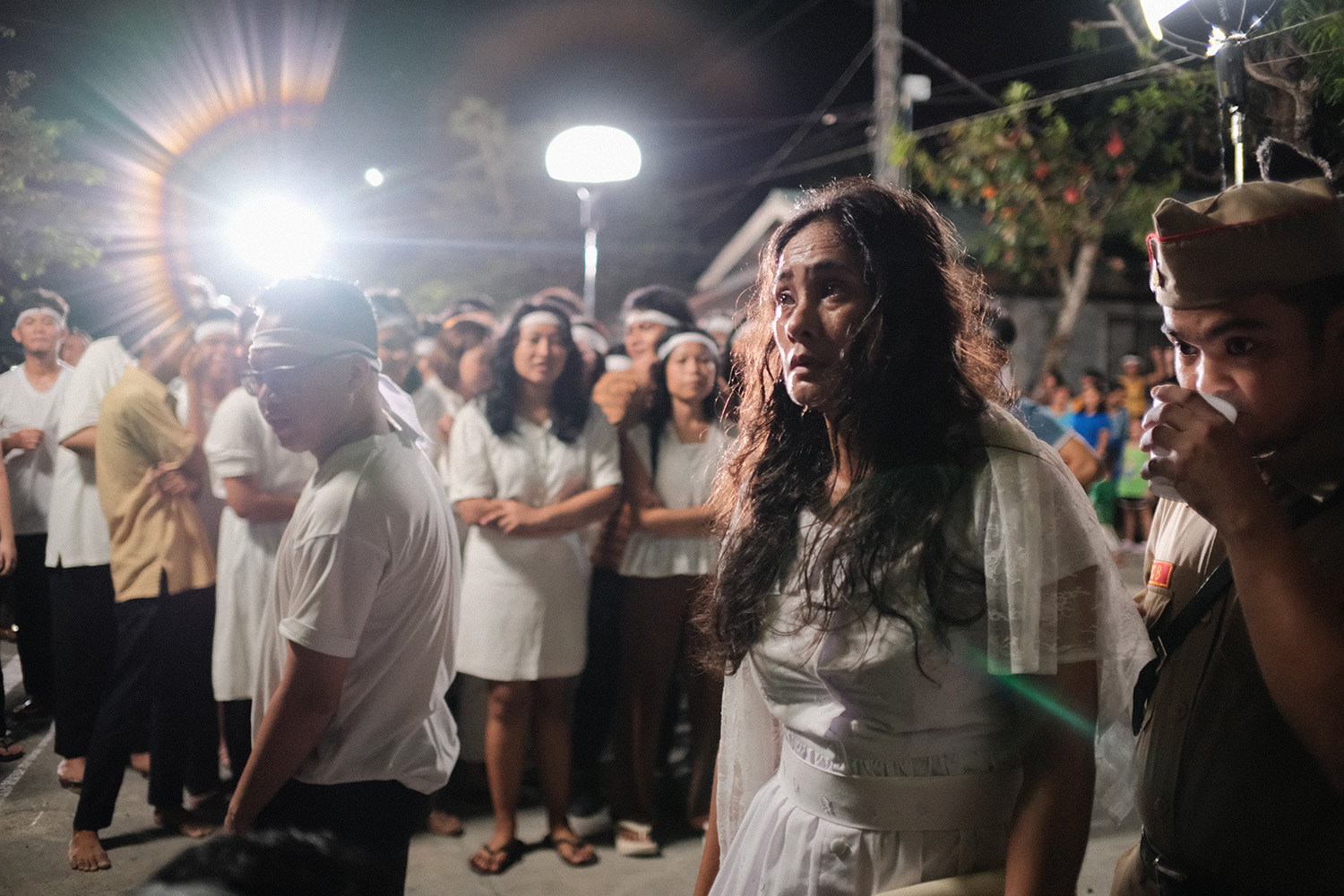
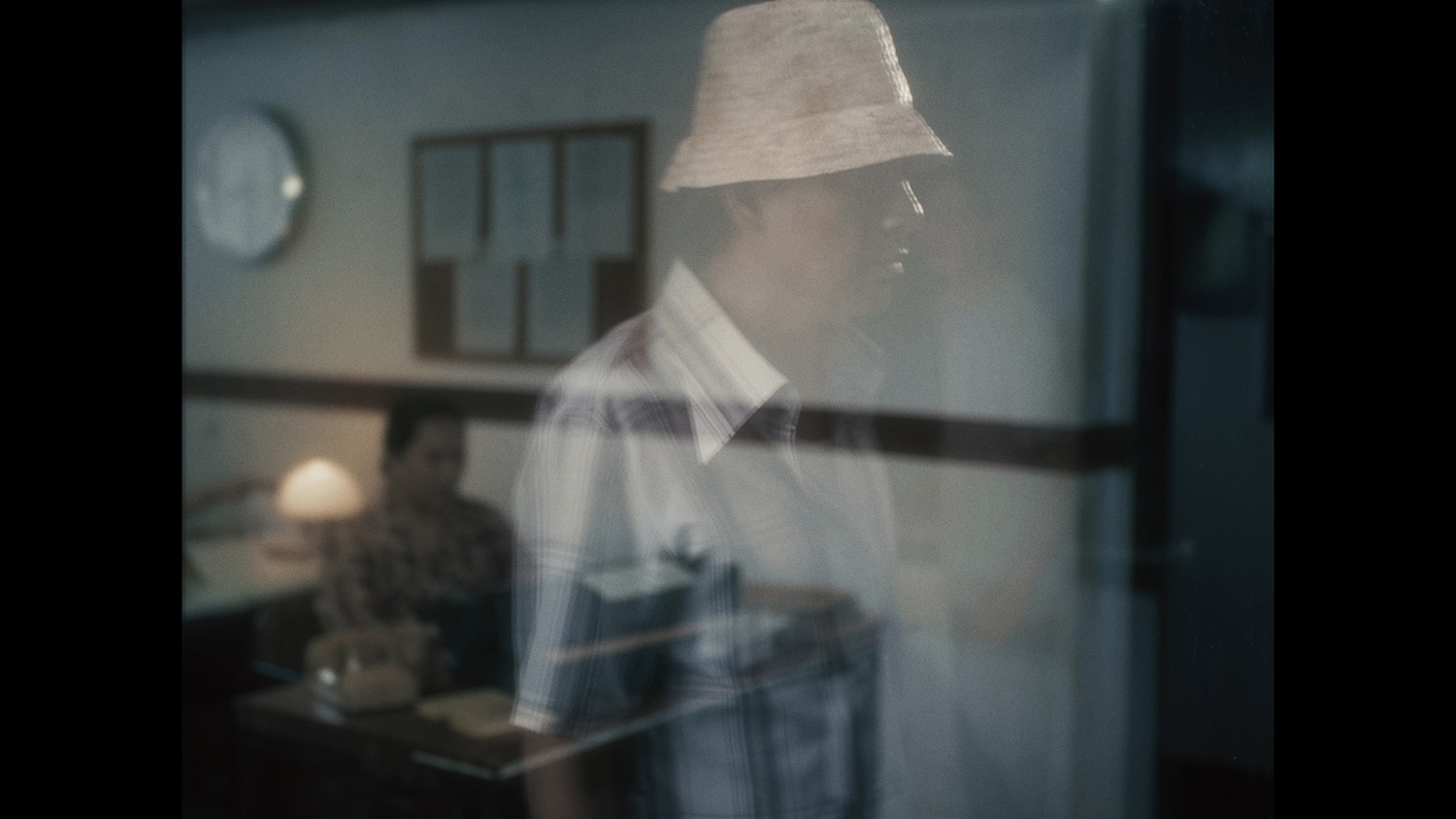
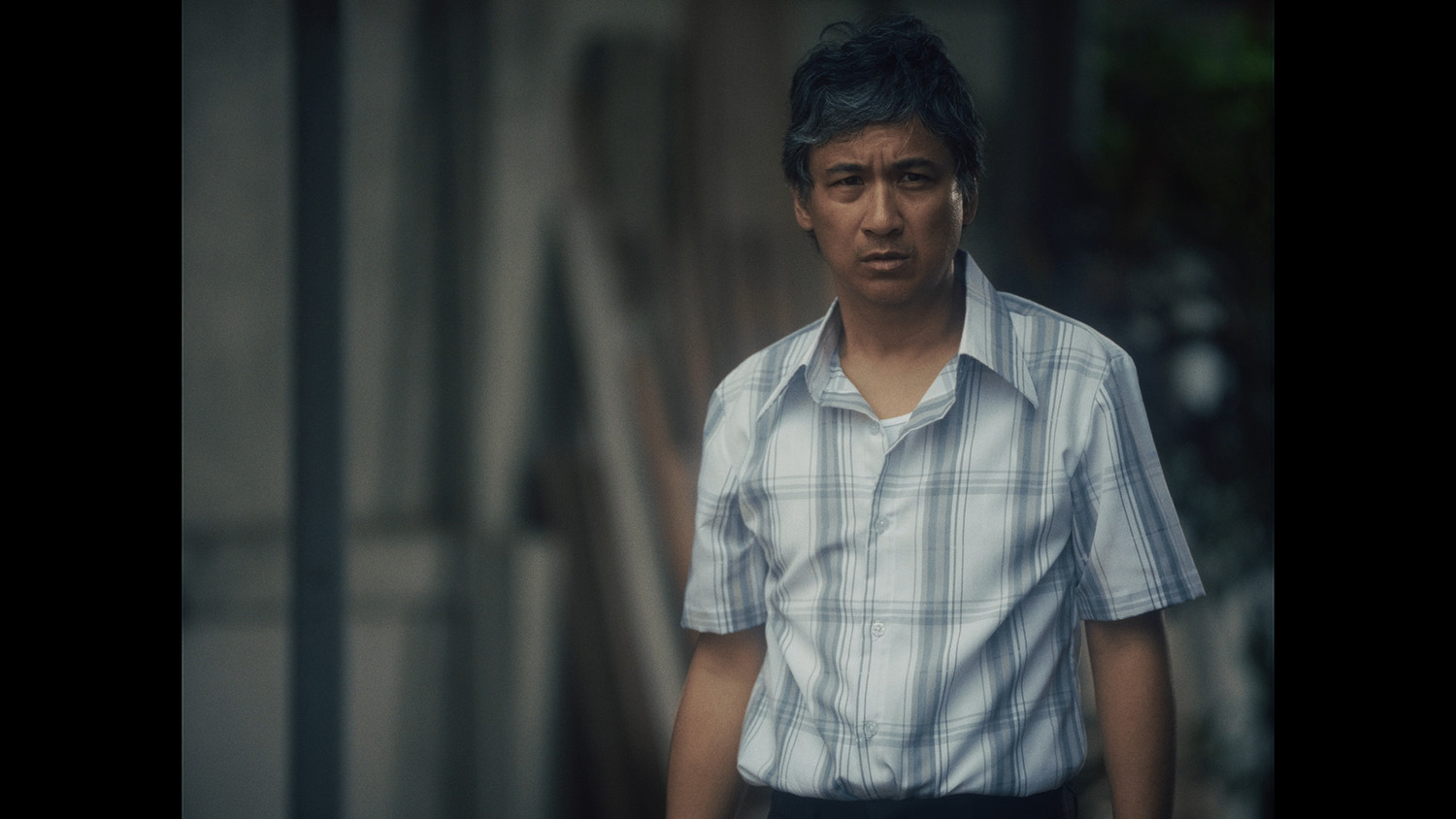
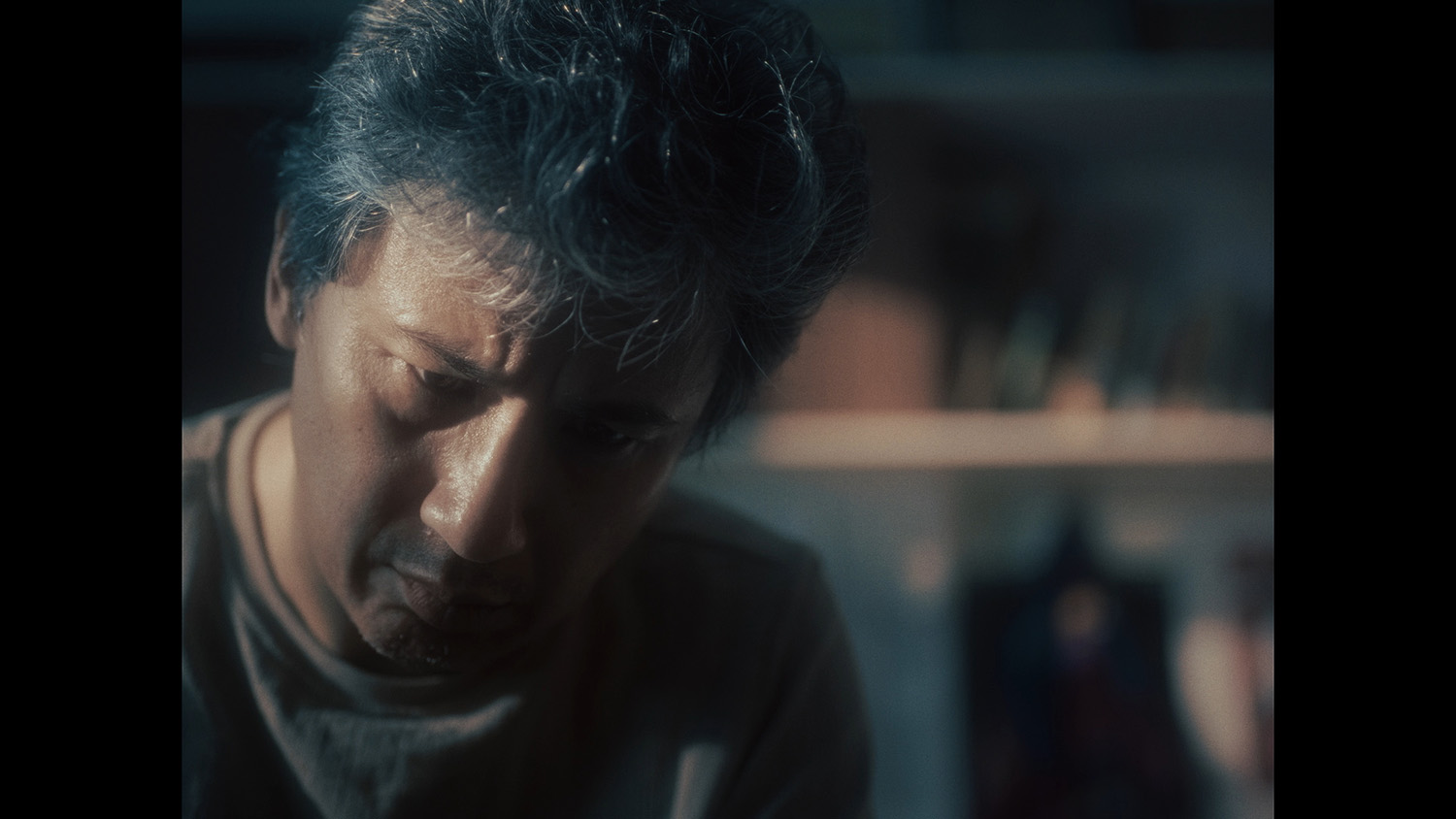
As the Naga community collectively recalls the 1972 Colgante Bridge tragedy through archives and memory, we see Doring — a devoted voyador — caught between faith, tradition, and the fractures within his own family. Every year, he joins thousands in Naga City’s fluvial procession for Our Lady of Peñafrancia, but this year feels different. His estranged son Ivan has just returned from Manila, restless and questioning, a presence both near and distant.
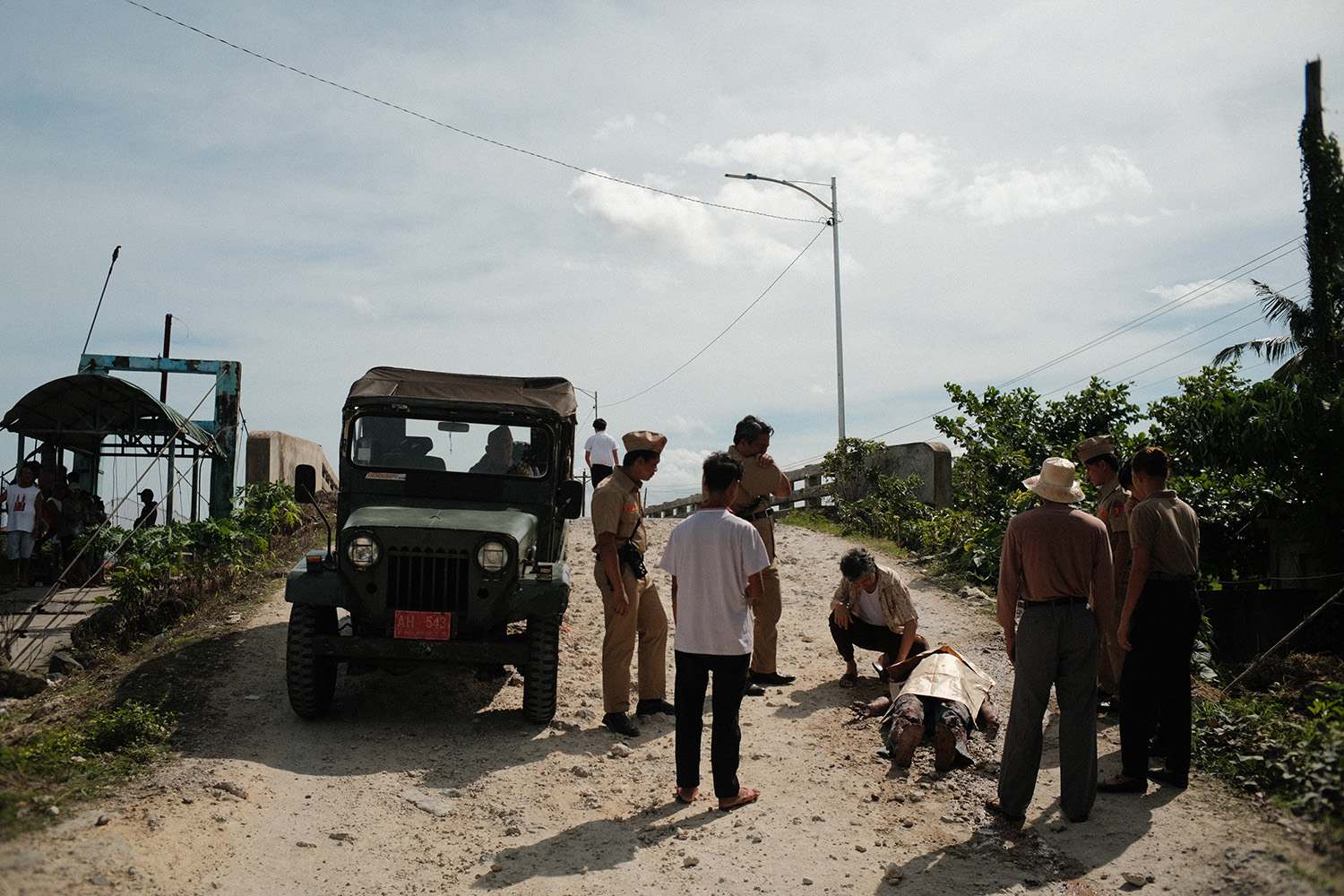
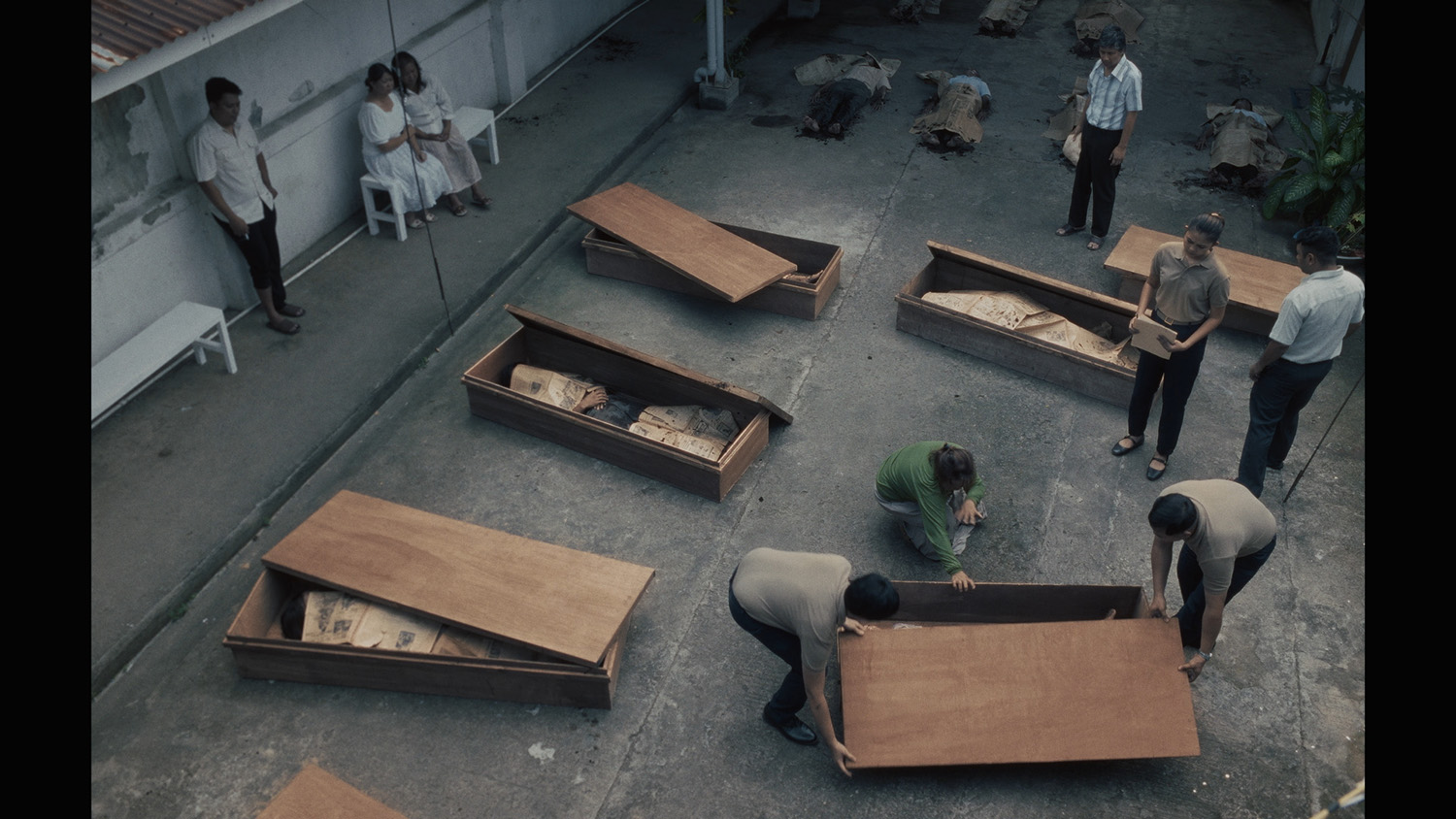
On the day of the procession, the Colgante Bridge groans under the weight of the crowd. From the river below, Doring watches in horror as the bridge collapses and bodies plunge into the water, devotion unraveling into chaos. Ivan was on that bridge. In the aftermath, Doring claws through wreckage, hospitals, and government offices, searching relentlessly for his son. But the system is broken: hospitals overwhelmed, records lost, officials indifferent. Families cling to hope while whispers spread — not all the missing drowned; some disappeared into something far darker.
Five days later, Martial Law is declared, silencing grief and cementing the unresolved. Doring’s search becomes not only a father’s desperate act of love but also a mirror of a nation’s haunting loss, one that lingers in memory and archives, unresolved, unforgotten.

FILMMAKER’S PROFILE
JENN ROMANO is a regional filmmaker from Canaman, Camarines Sur in Bikol. She has made several short features, which have been screened and recognized in various film festivals such as the Furora Film Festival in Berlin, Tropfest Film Festival in Malaysia, Gawad CCP, Sinag Maynila, QC International Pink Festival, Nabifilmex, and Cinemarehiyon, among others. She has also worked in various independent full-length film productions. She is a faculty member of the Department of Media Studies at the Ateneo de Naga University. Currently, she is finishing her MA Media Studies major in Film at the University of the Philippines – Diliman.
DIRECTOR’S STATEMENT
The Colgante Bridge collapse in Naga City, Bicol, is a tragedy that lingers — never erased, yet always drifting into the shadows. On September 16, 1972, just days before Martial Law was declared, the bridge’s collapse delivered a dual blow to its people. Despite its significance, no physical markers exist, and fading testimonies have left its memory obscured. I first discovered this tragedy while researching for my graduate studies. It surfaced in the final issue of a local newspaper before the media blackout — one of the last headlines printed before press outlets were shut down and journalists arrested. The silence that followed, with no succeeding issues, created an eerie void that magnified the horror of those days. From that void, the film Padamlágan takes root. The collapsed bridge becomes its central image, providing a haunting structure that anchors Doring’s search and symbolizes lost histories. Its half-submerged ruins blur the boundaries of past and present, while archival footage and real-life recordings weave authenticity into the narrative. Rather than simply recreating 1972 Naga, the film reconstructs it through lived memory — fragile, fragmented, yet enduring. Padamlágan is a call to remember. As a filmmaker from Bicol, I believe this history must continue to be shared. By reclaiming these stories, the film ensures that our struggles and truths remain part of our collective memory.
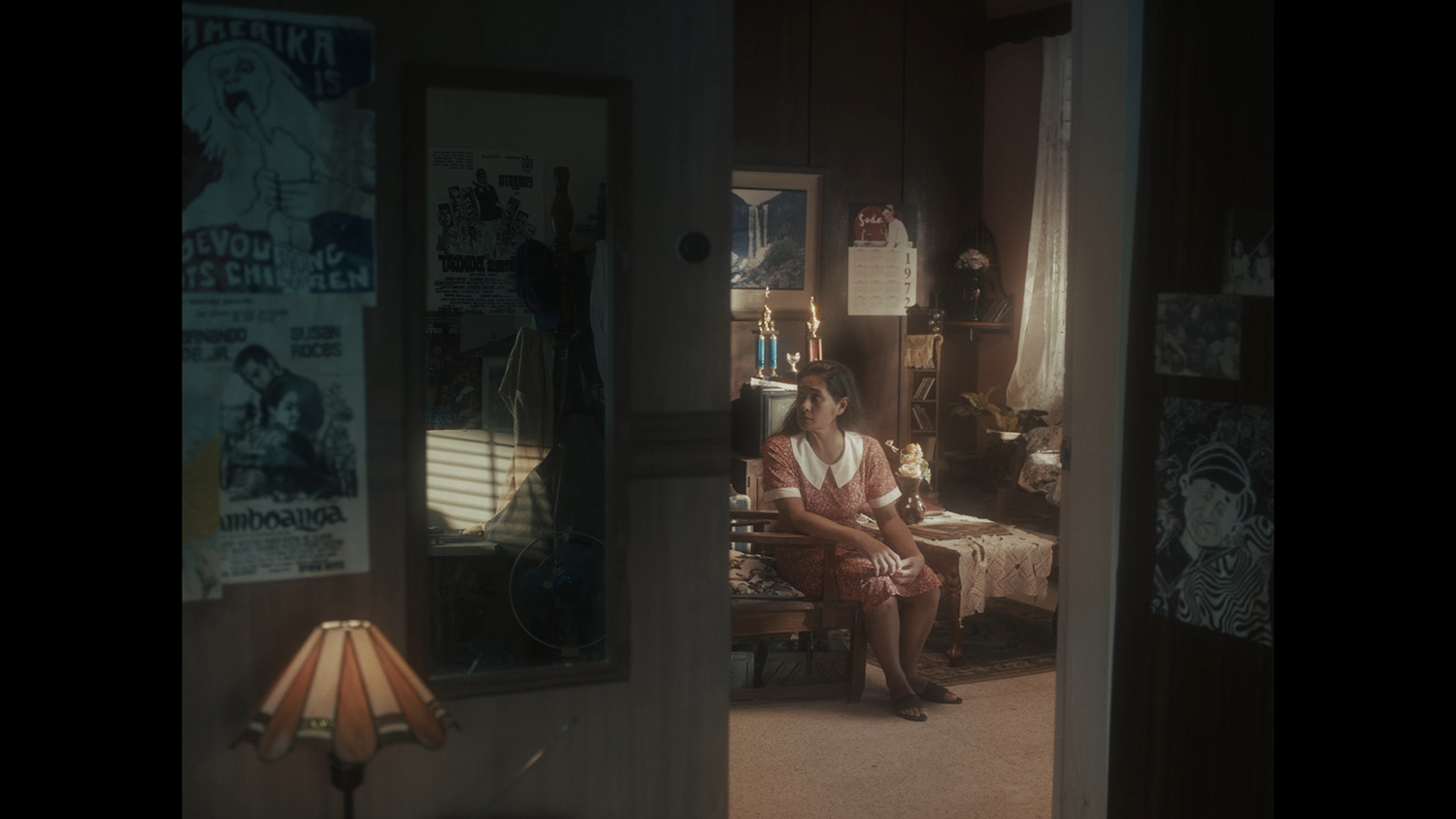
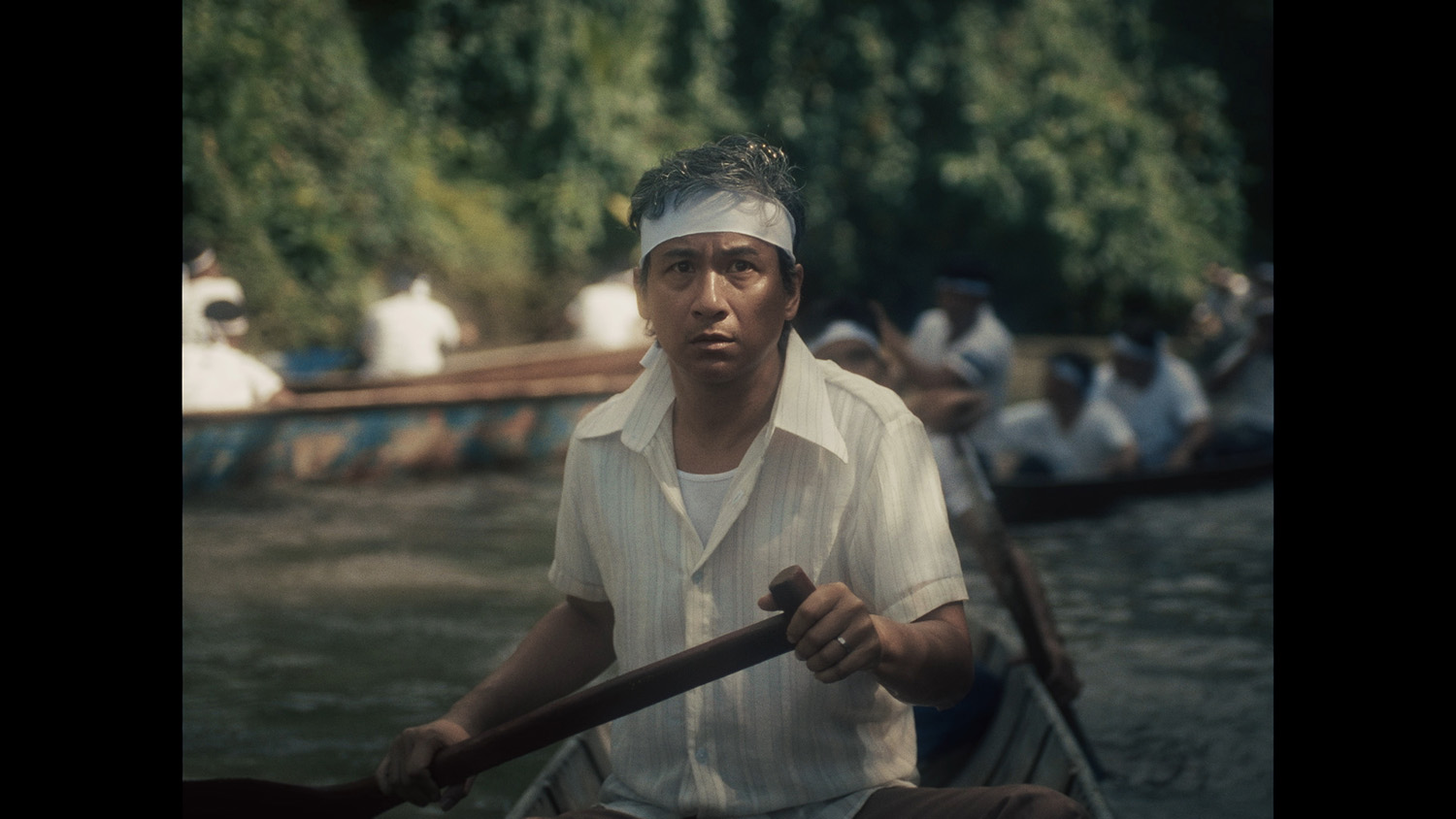
FILM STILLS
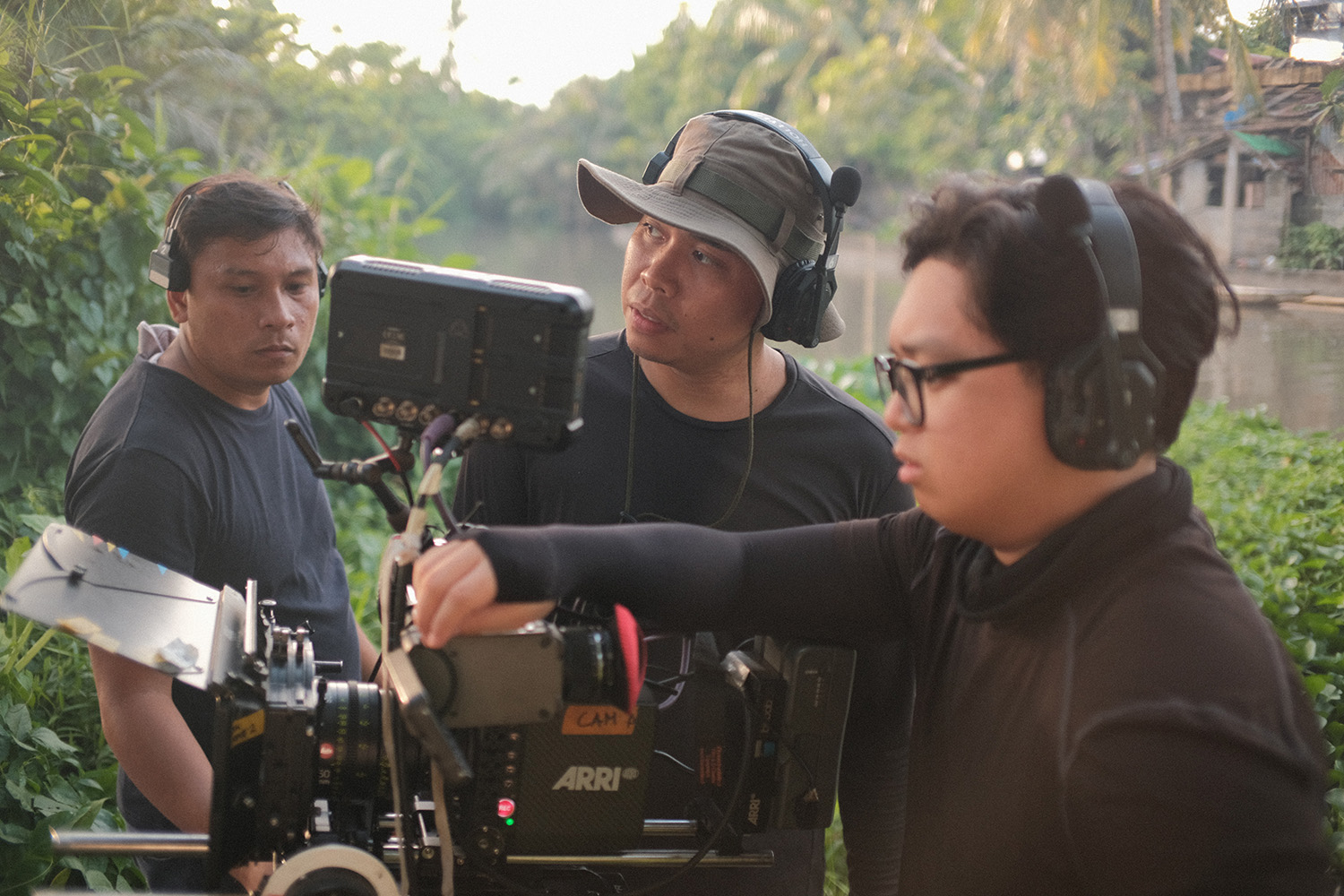
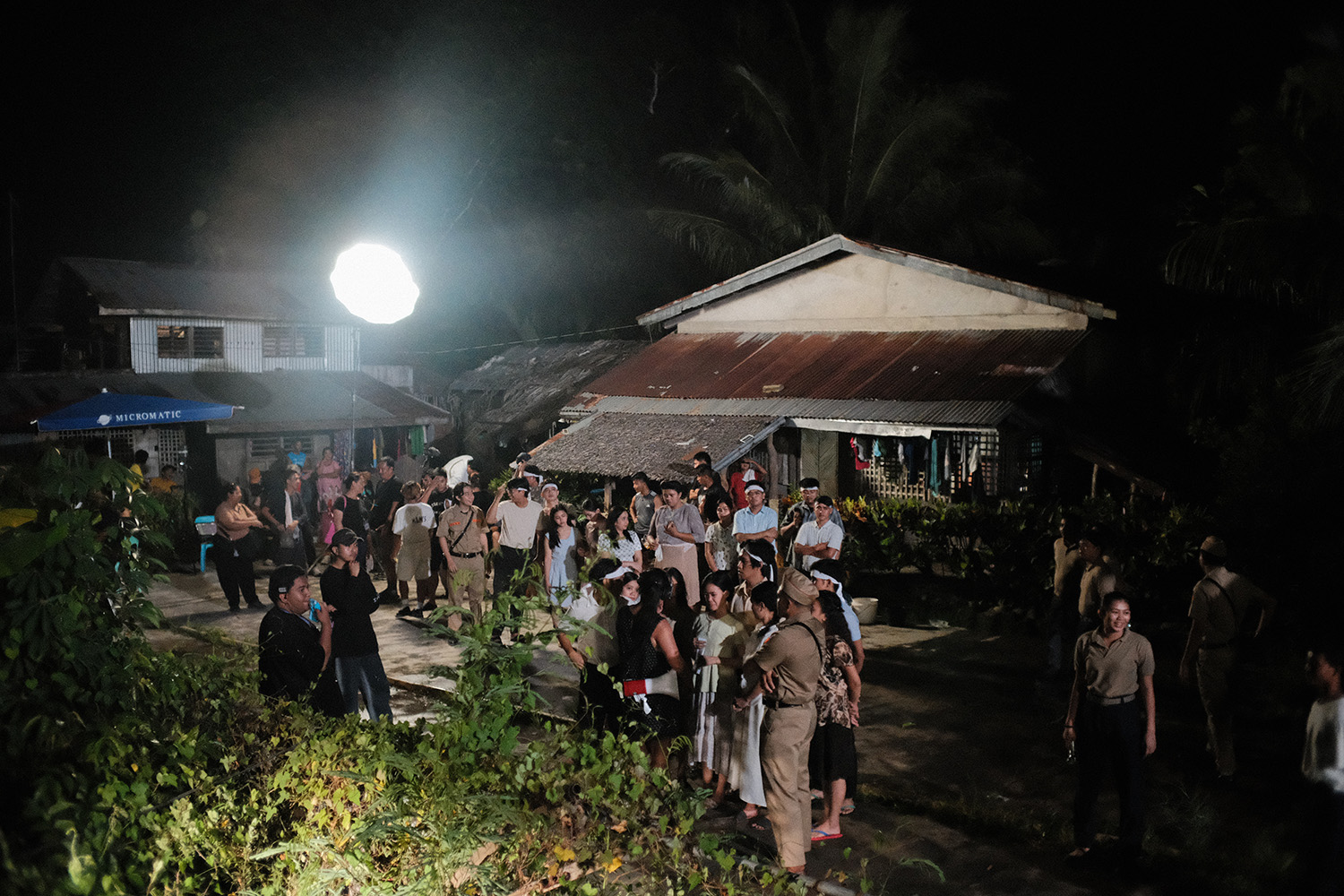
BEHIND THE SCENES