
CATEGORIES
CATEGORIES
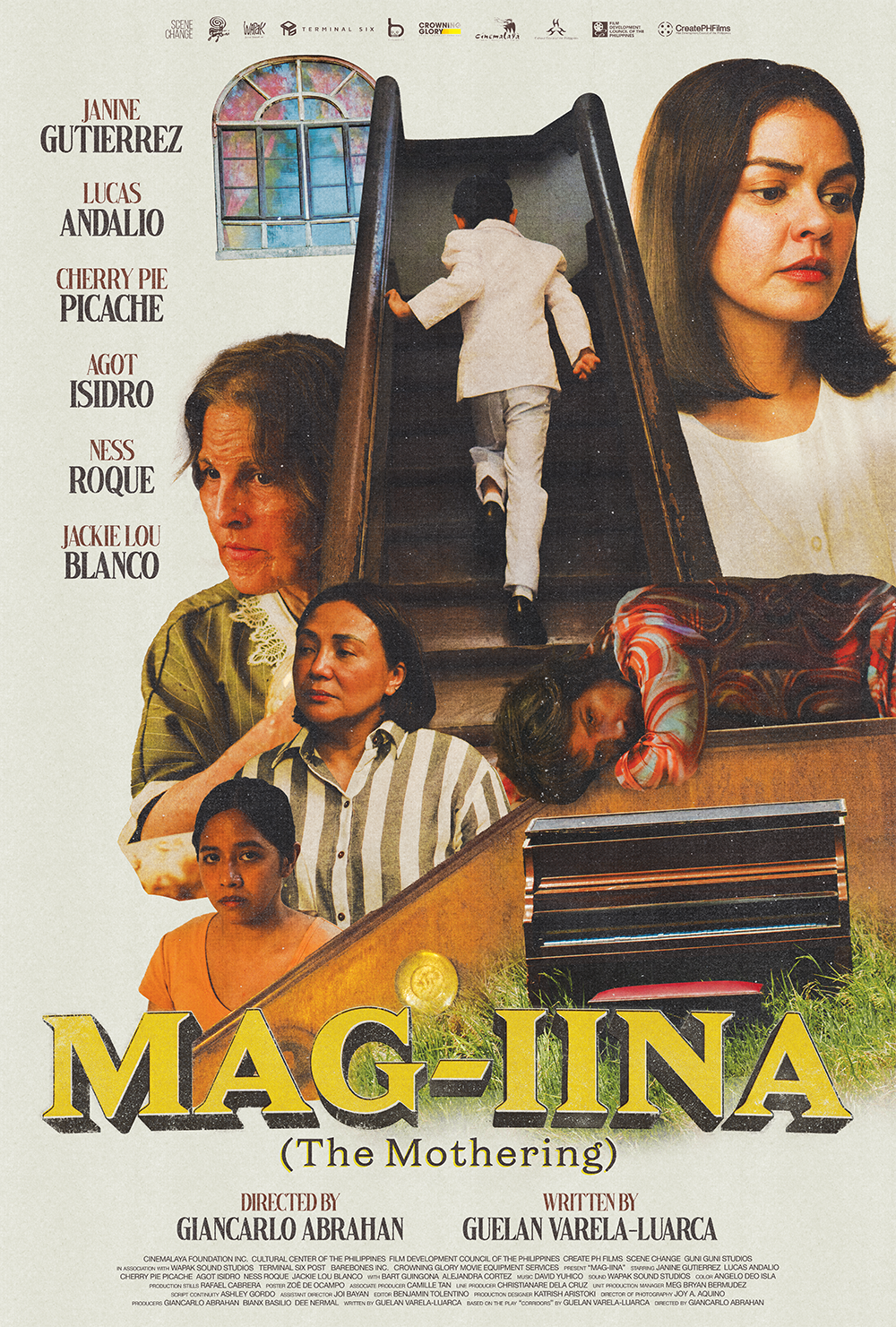
MAG-IINA
(THE MOTHERING)
MAG-IINA (THE MOTHERING)
By Giancarlo Abrahan and Guelan Varela-Luarca
105:00 minutes | Horror | R-16 | Strong Language, Nudity, Violence, Horror
FILM SCHEDULE
CAST
Janine Gutierrez, Lucas Andalio, Cherry Pie Picache, Agot Isidro, Ness Roque, Jackie Lou Blanco, Bart Guingona, Alejandra Cortez
PRODUCTION
DIRECTOR – Giancarlo Abrahan
SCREENPLAY – Guelan Varela-Luarca
EDITOR – Benjamin Tolentino
CINEMATOGRAPHER – Joy A. Aquino
PRODUCTION DESIGNER – Katrish Aristoki
ORIGINAL MUSICAL SCORE – David Yuhico
SOUND DESIGNER – Mikko Quizon;
PRODUCERS – Giancarlo Abrahan, Bianx Basilio, Dee Nermal
LOGLINE
Near the 40th day of her estranged father’s death, a woman returns to her family’s ancestral home where we find three generations of women bound together by grief, madness, and evil thicker than blood.
SYNOPSIS
Anj returns to her family’s ancestral home as the 40th day of her estranged father’s passing draws near – the moment his soul is said to finally ascend from the earthly realm. The house has been suspended in grief and madness, and three days back is enough to remind her why she left, why she must leave at once – and why she may never escape.
FILMMAKER’S PROFILE
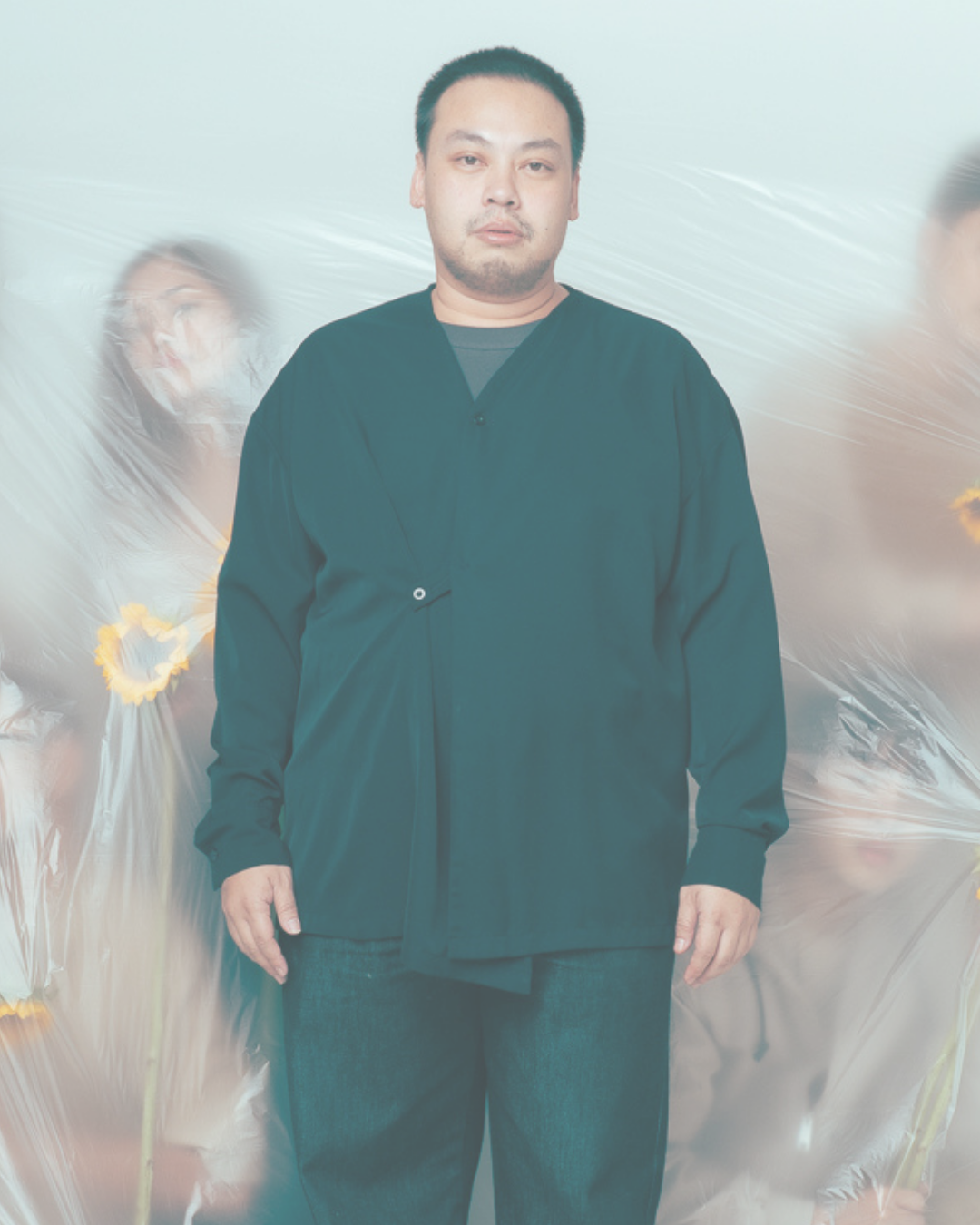
GIANCARLO ABRAHAN
Giancarlo Abrahan is a filmmaker, writer, translator, dramaturg, and educator. His first Cinemalaya entry was as co-writer of Transit (Best Film: Cinemalaya 2013). He also made his feature directorial debut at Cinemalaya with Dagitab (Best Director, Best Screenplay: Cinemalaya 2014). As a producer, his entries to the festival include Hilom (Best Short Film: Cinemalaya 2017) and Abogbaybay (NETPAC Award: Cinemalaya 2024).
Abrahan also directed Paki (Best Film, Cinema One Originals 2017) and Sila-sila (Best Film, Cinema One Originals 2019). He most recently co-wrote and produced i grew an inch when my father died (NETPAC Award, Rotterdam International Film Festival 2026). He is an assistant professor at the University of the Philippines Film Institute where he serves as Faculty Coordinator for Film, Theater, and Extension Services.
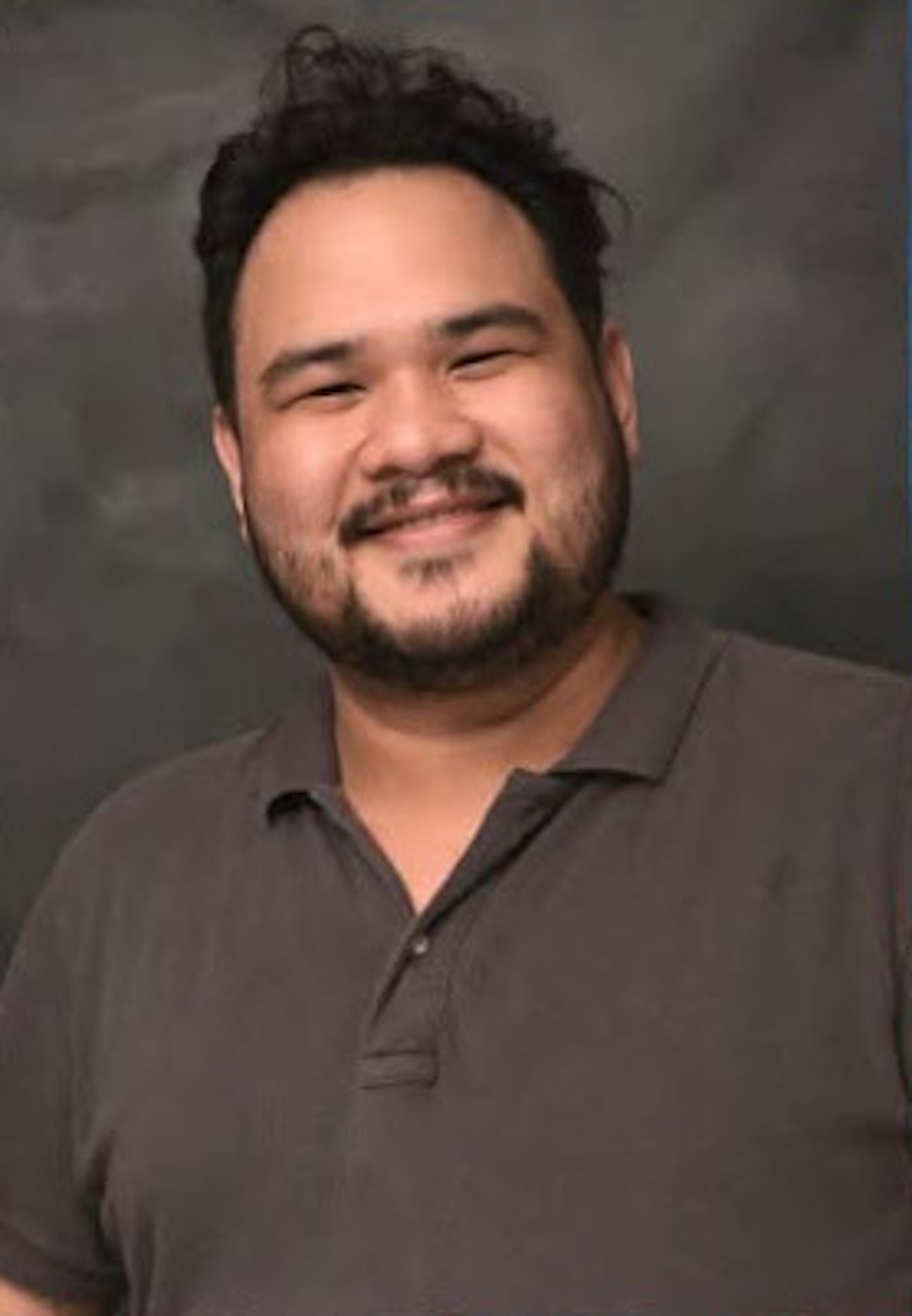
GUELAN VARELA-LUARCA
Guelan Varela-Luarca is an actor, playwright, translator, and director for the stage. His most recent works are writing and directing the stage adaptation of Mike de Leon’s modern classic film Kisapmata; a staged reading of his play Dogsblood; adapting and directing a new Filipino translation of Nick Joaquin’s canonical Filipino play Portrait of the Artist as Filipino by Jerry Respeto, performed under the title Quomodo Desolata Es?; writing and directing the stage adaptation of Giancarlo Abrahan’s critically-acclaimed film Dagitab; and writing and directing 3 Upuan, a play about time and grief.
He has written two screenplays: Boy Golden: Shoot to Kill, directed by Chito Roño, and a short film, Lumang Tugtugin, directed by Pepe Diokno. He teaches at the Fine Arts Department of the Ateneo de Manila University, and is a founding member and a programmer of the new theater company, Scene Change.
He graduated from Hunter College, City University of New York, with an MFA degree in Playwriting, and was inducted last year at the Don Carlos Palanca Memorial Awards Hall of Fame.
DIRECTOR’S STATEMENT
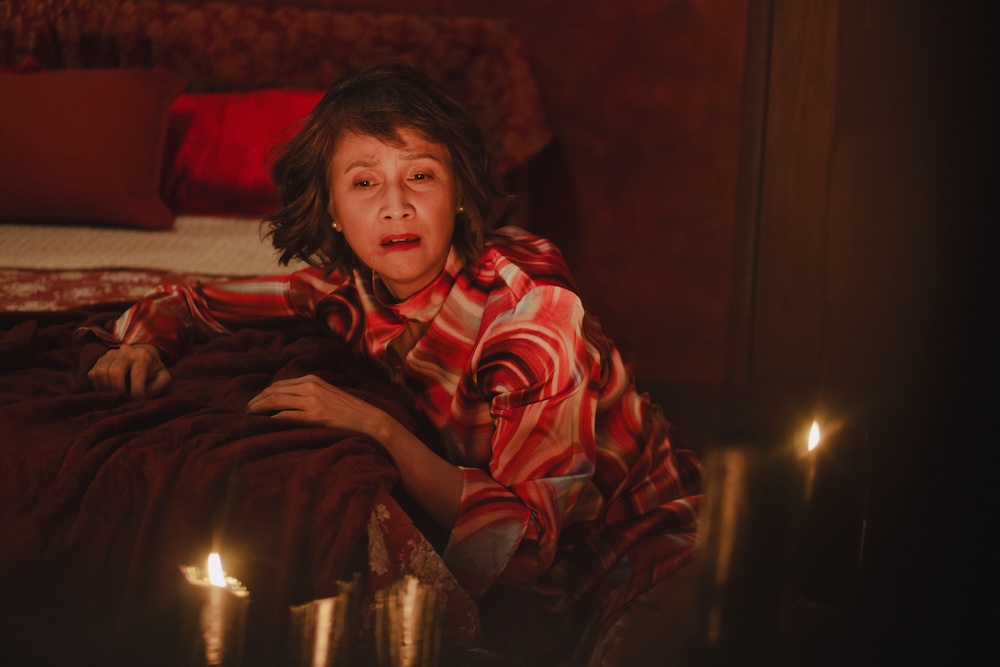
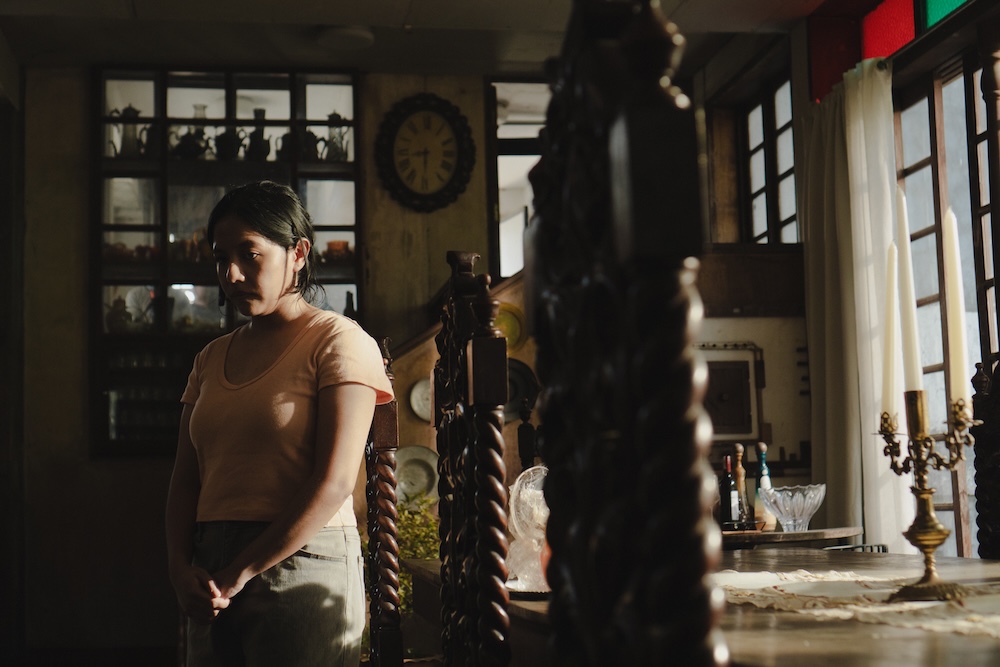
Mag-iina is an eerie family drama – undomesticated by a horror that announces itself openly: in nightmares that bleed into waking, in the dead who have not crossed toward eternal light, in secrets that linger longer than the ghosts themselves. The horror is not hidden in shadows. It is in the light, in the way the light refuses to reassure.
The family home here is a living architecture of obligation and memory, and it does not release its occupants easily. Escape is not dramatic. It is structurally impossible. The labyrinth does not trap you with locks. It traps you with love. This is the specific texture of Filipino evil we wish to explore – not malice in its pure form, but love that has curdled inside the container of family.
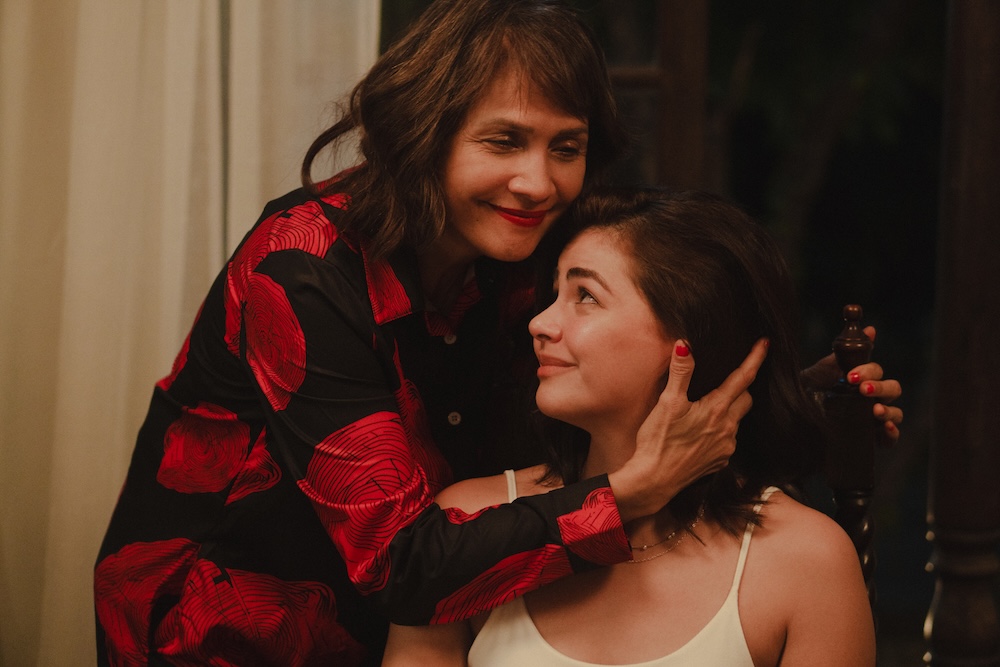
At the center of this film are women in the full, unruly weight of their humanity – their tenderness and their fury, their capacity to endure and their equal capacity to destroy. The people who wound us most deeply are also the people who make us laugh at the dinner table, who brush our hair when we are frightened. The horror of Mag-iina is inseparable from that insidious tenderness. They are the same thing, ultimately.
In bringing Guelan Varela-Luarca’s Corridors to the screen, I hope to honor not only its architecture, but its pulse – and to look unflinchingly at the perils of unconditional love.
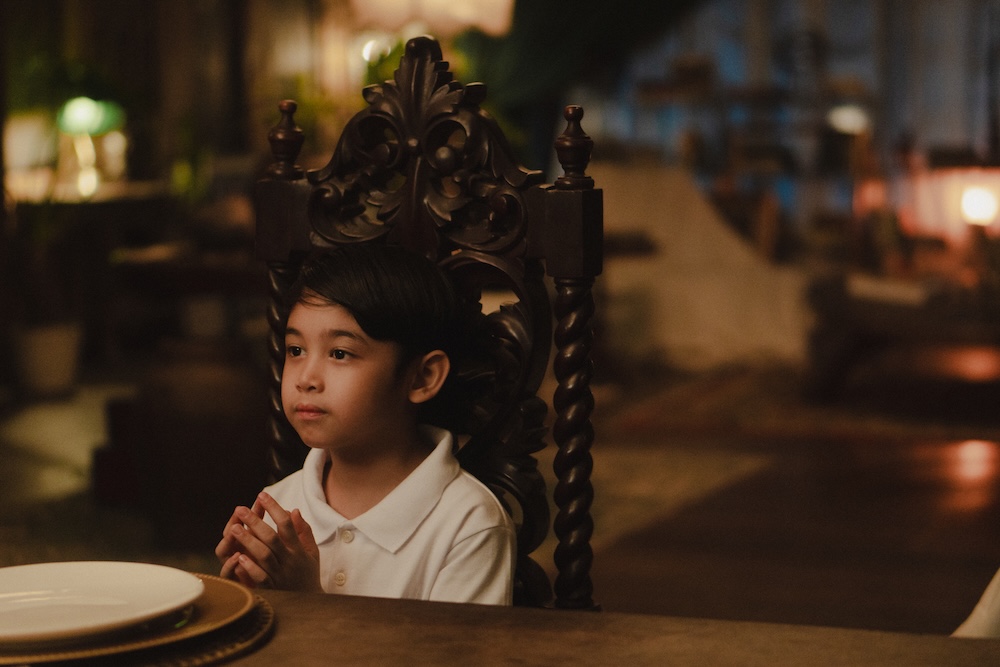
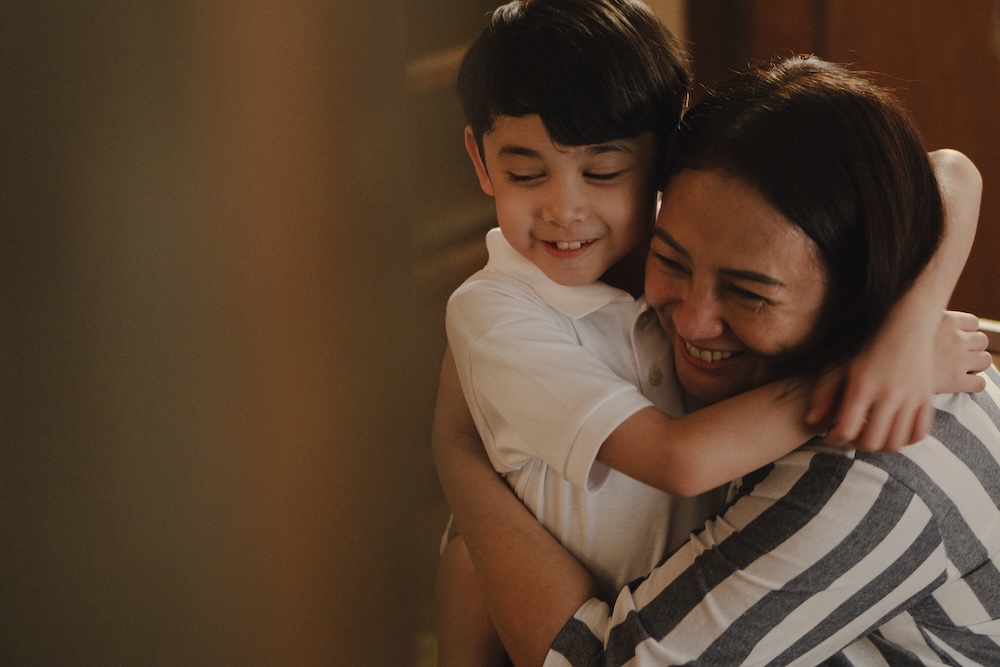
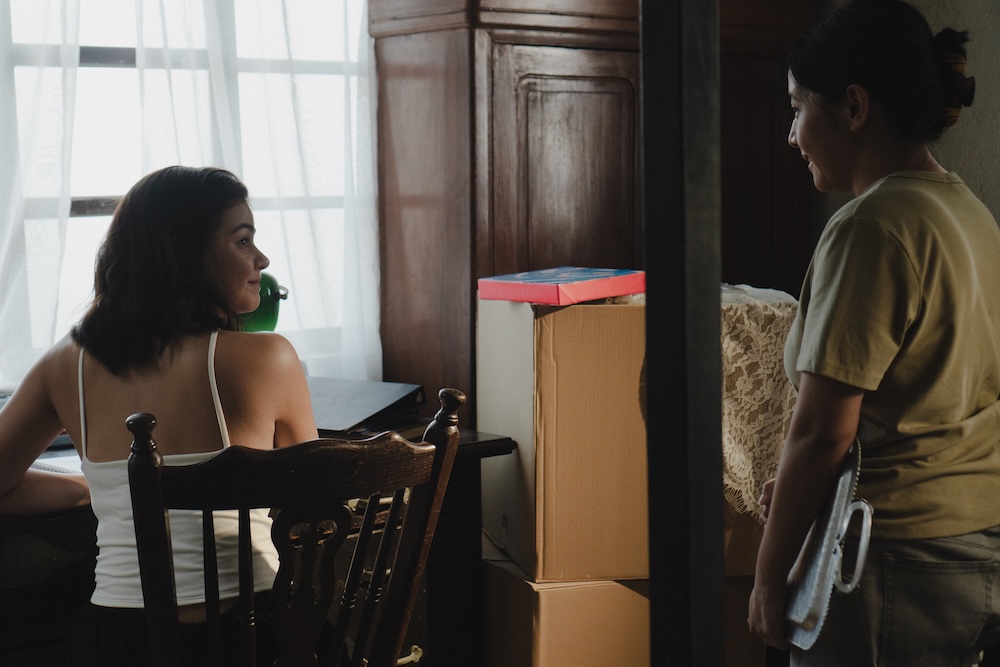
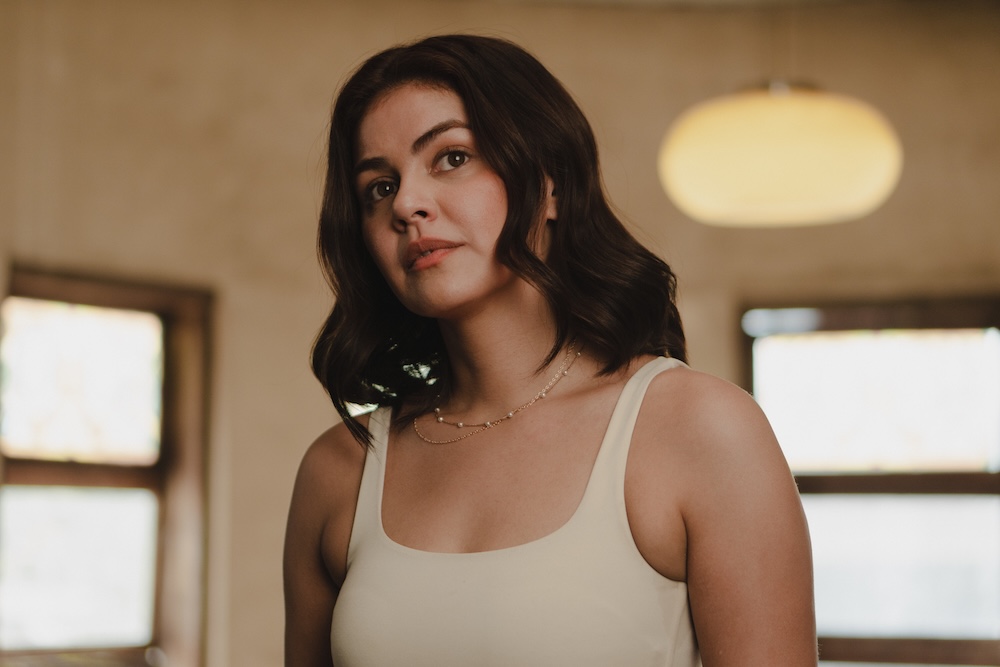
FILM STILLS
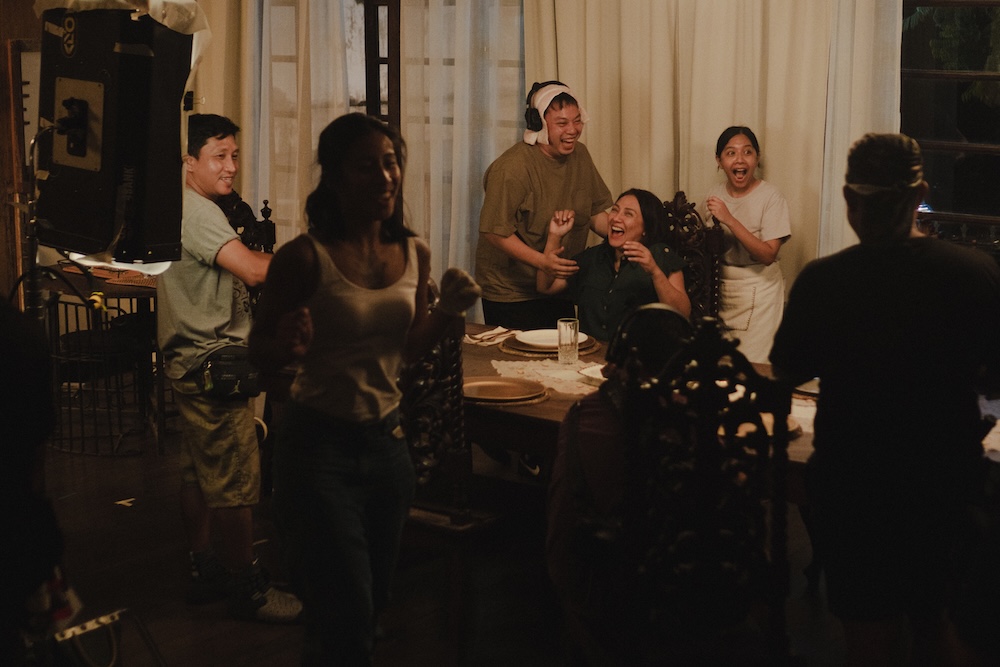
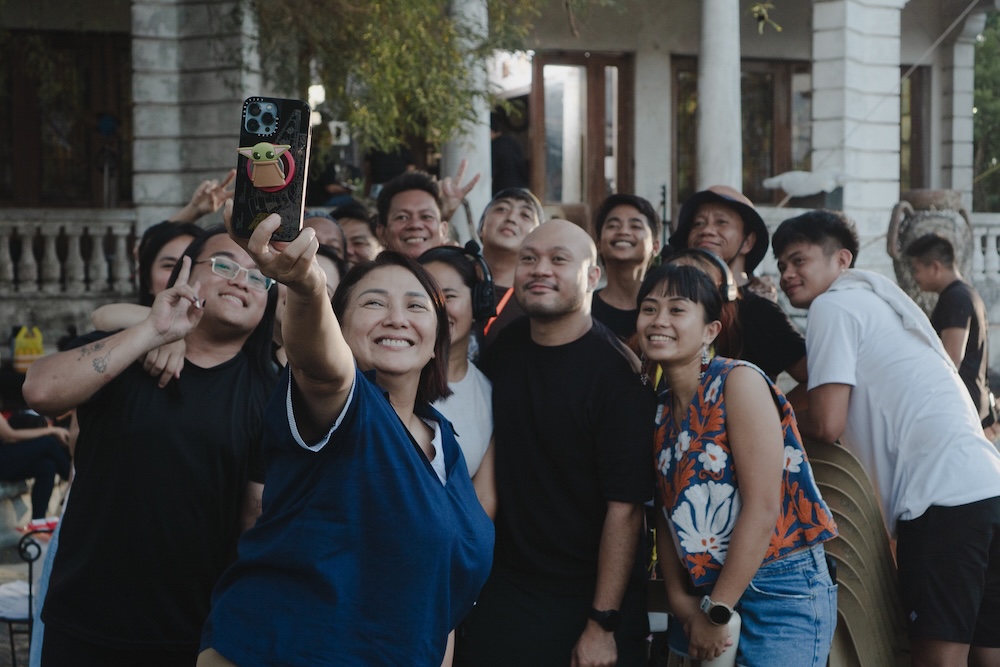
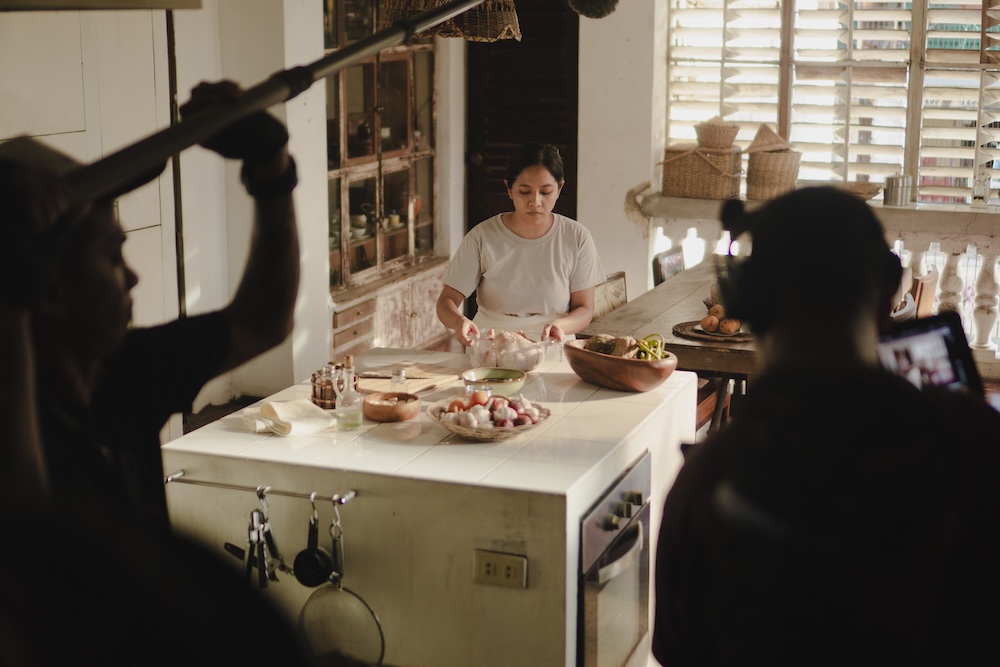
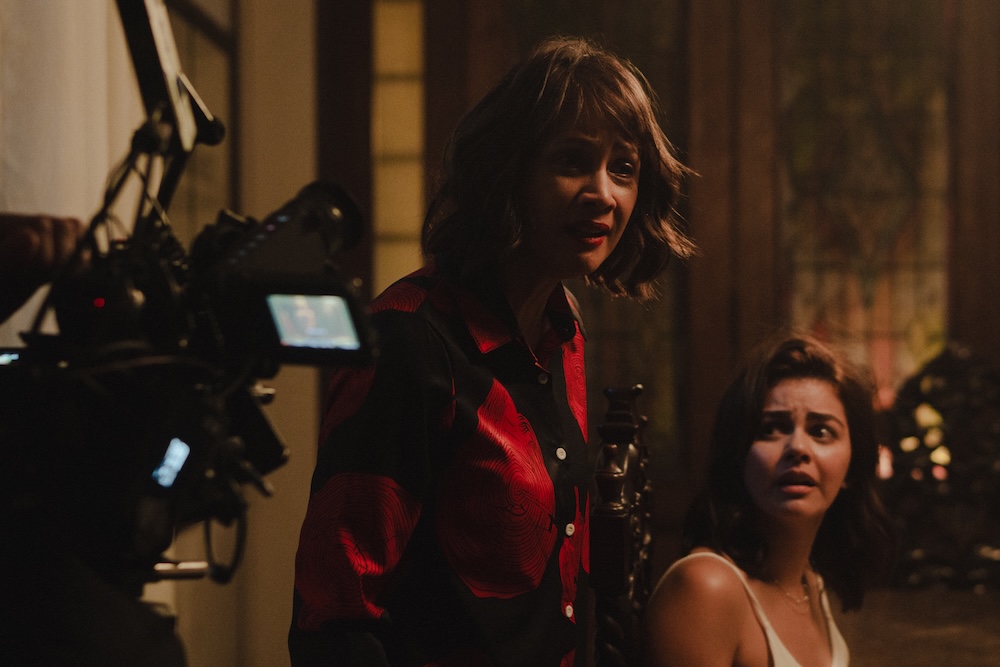
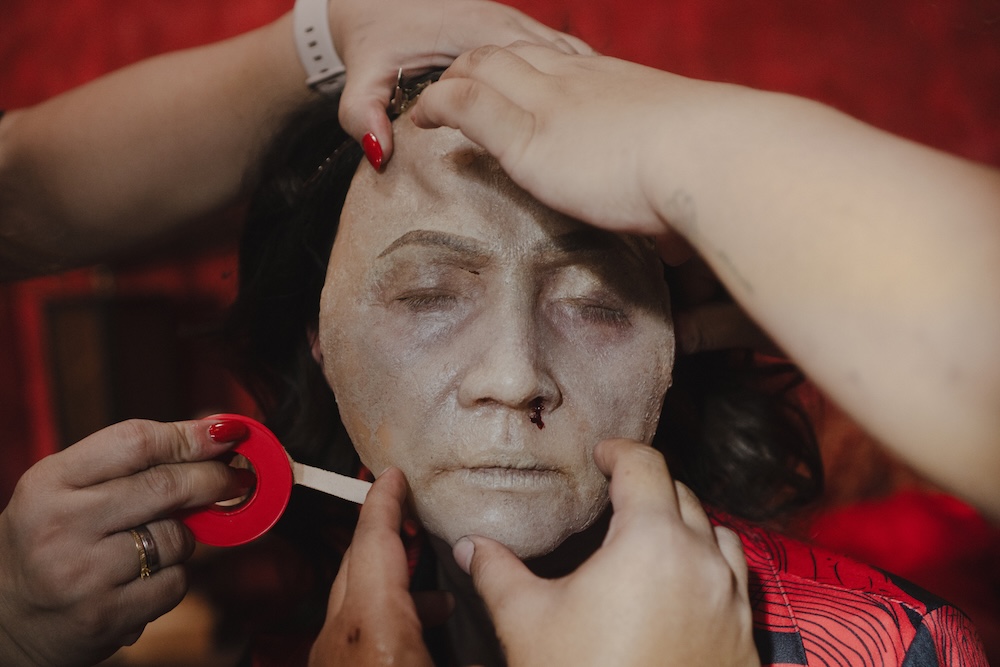
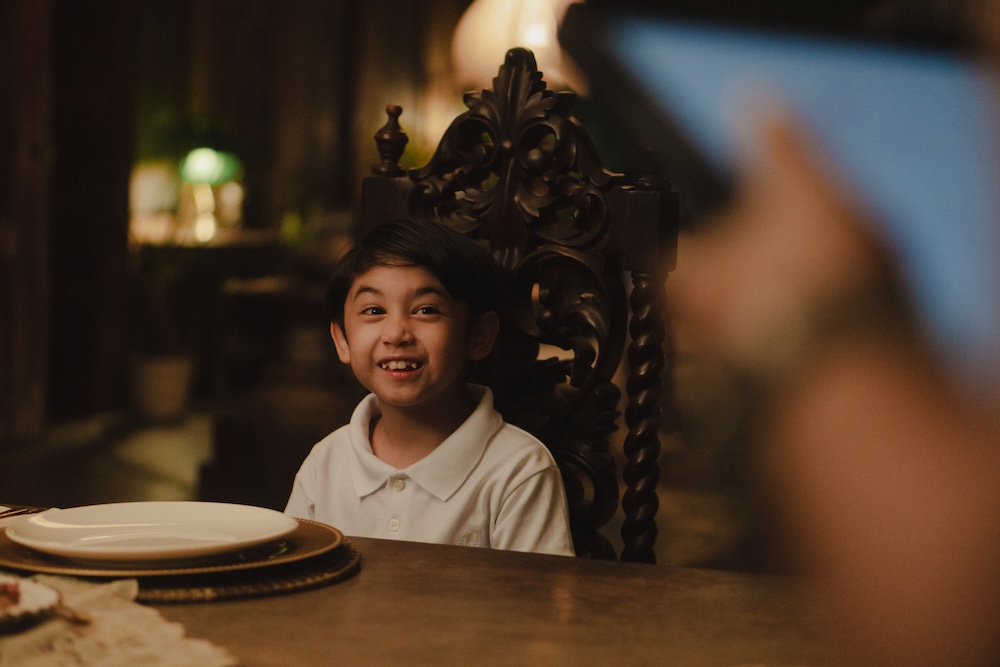
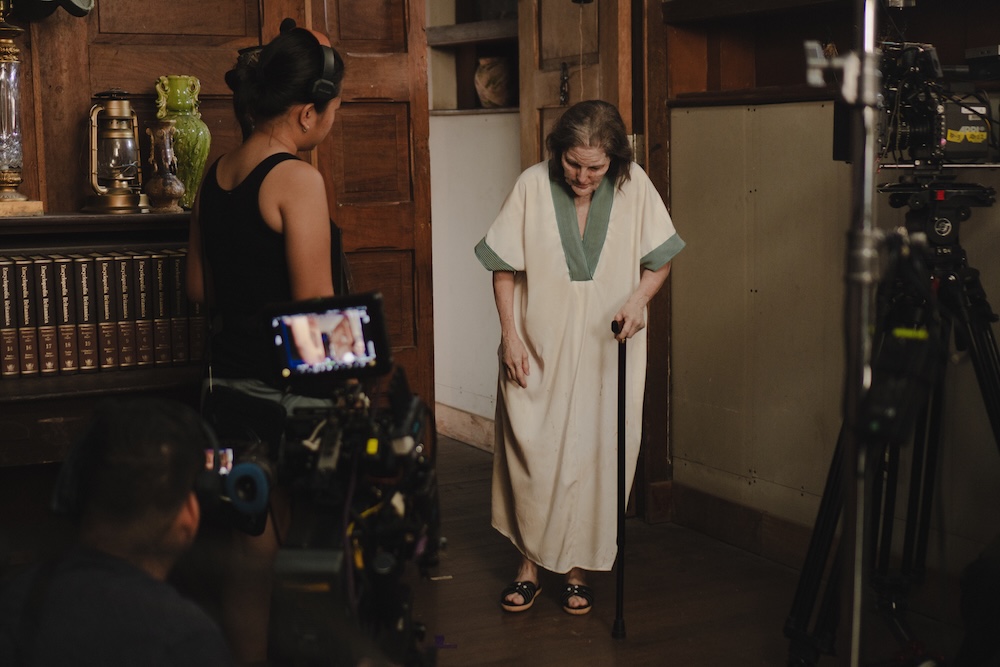
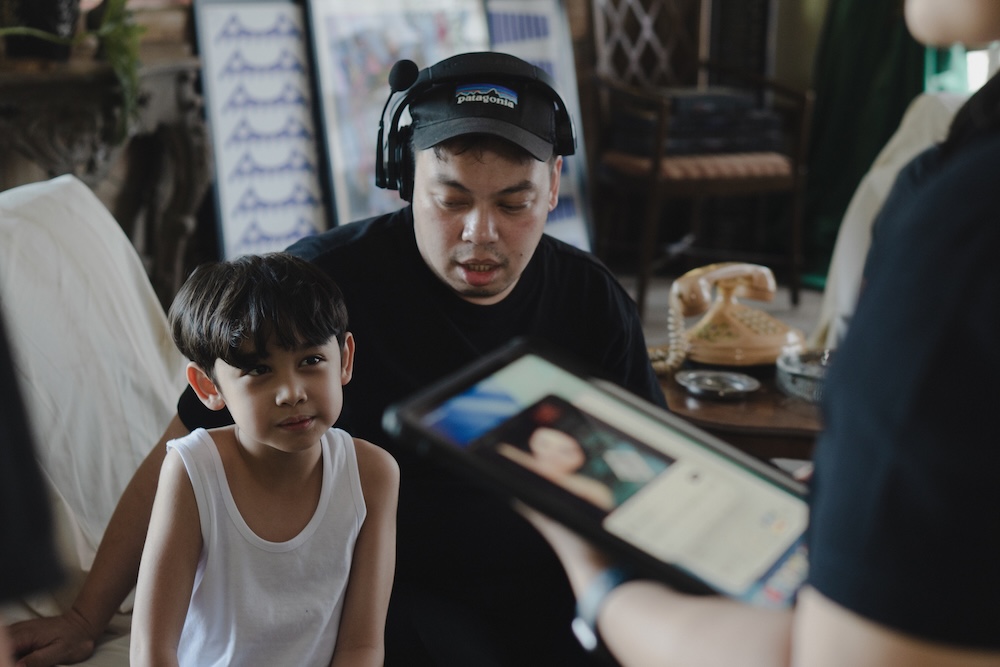
BEHIND THE SCENES