
CATEGORIES
CATEGORIES
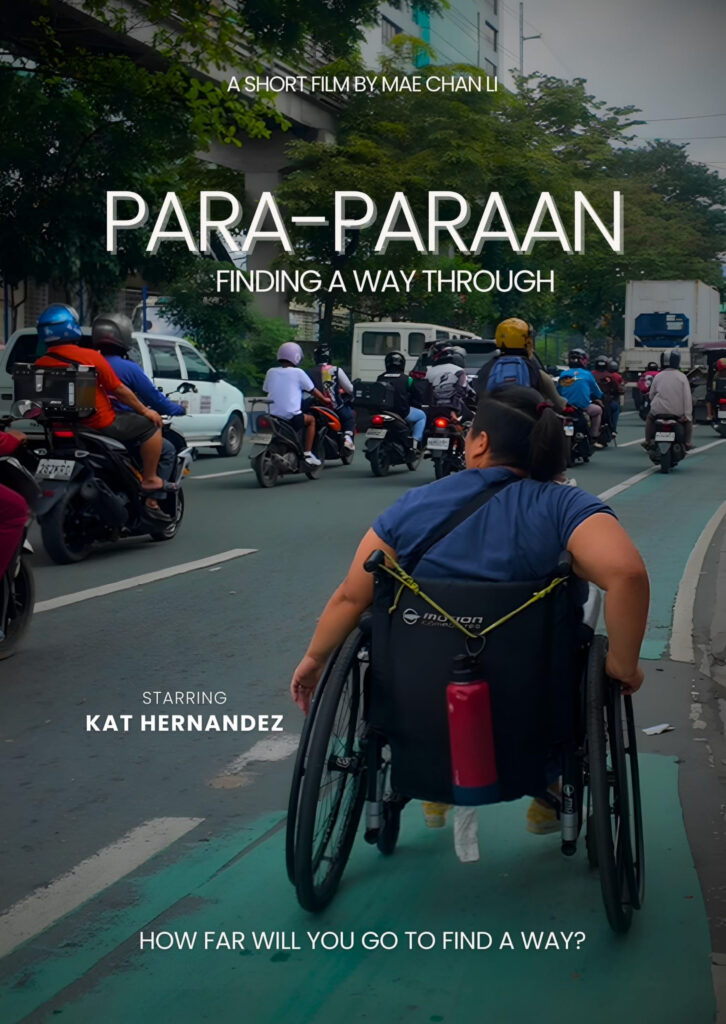
PARA PARAAN (Finding a Way Through)
PARA-PARAAN (FINDING A WAY THROUGH)
by Mae Chan Li
10:03 MINUTES | Documentary, Social Issues, Disability, Human Rights | PG
FILM SCHEDULE
SUBJECT
Katrina Hernandez
PRODUCTION
DIRECTOR – Mae Chan Li
SCREENPLAY – Mae Chan Li
EDITORS – Mae Chan Li, Katrina Hernandez
CINEMATOGRAPHER – Mae Chan Li
PRODUCTION DESIGNER – Mae Chan Li
ORIGINAL MUSICAL SCORE – Mae Chan Li
SOUND DESIGNER – Mae Chan Li
EXECUTIVE PRODUCER – Katrina Hernandez
PRODUCER – Mae Chan Li
LOGLINE
Through the lived experience of a wheelchair user, Para-Paraan reveals the everyday barriers hidden within ordinary spaces. It challenges audiences to see exclusion where society sees normal.
SYNOPSIS
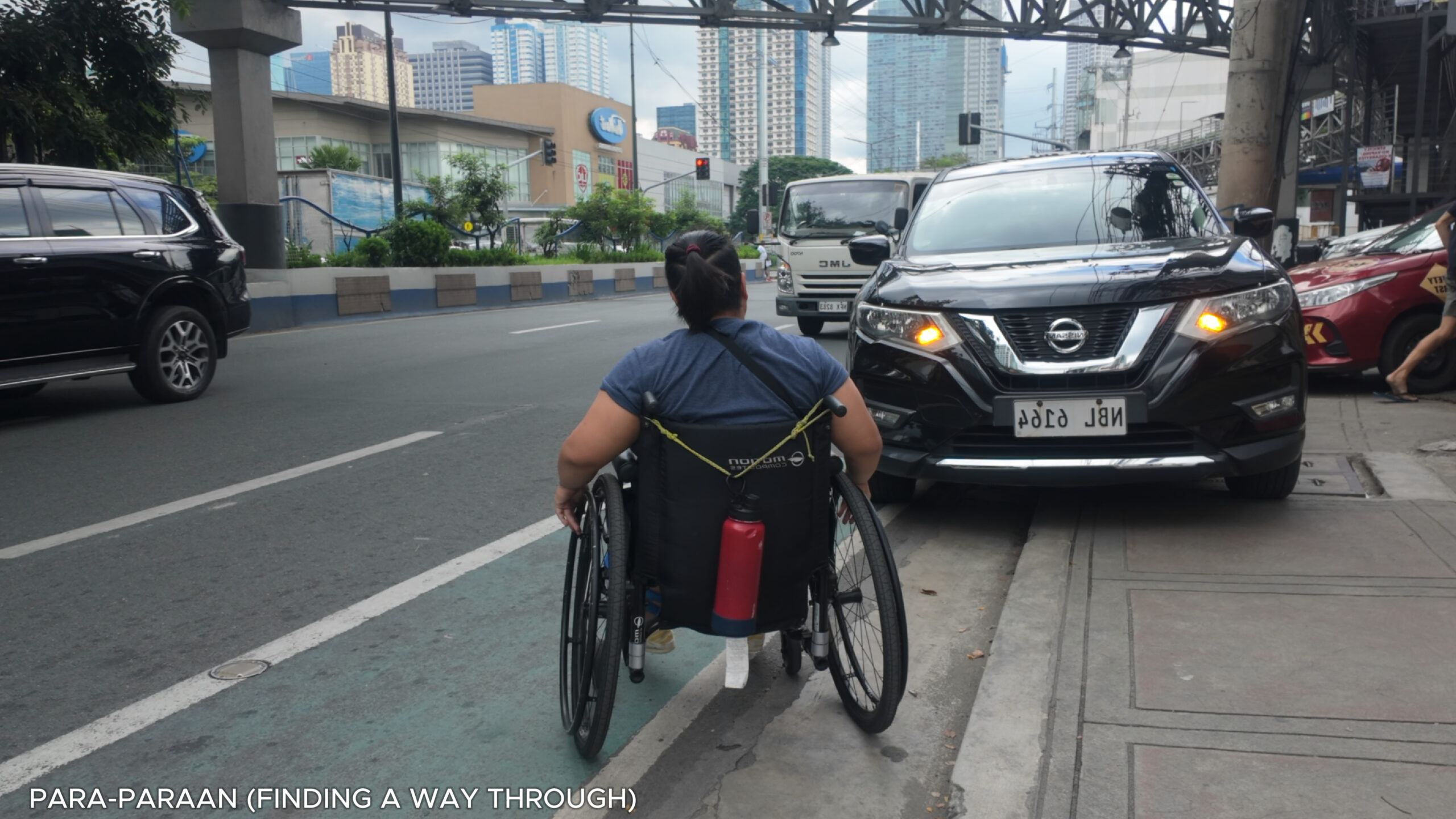
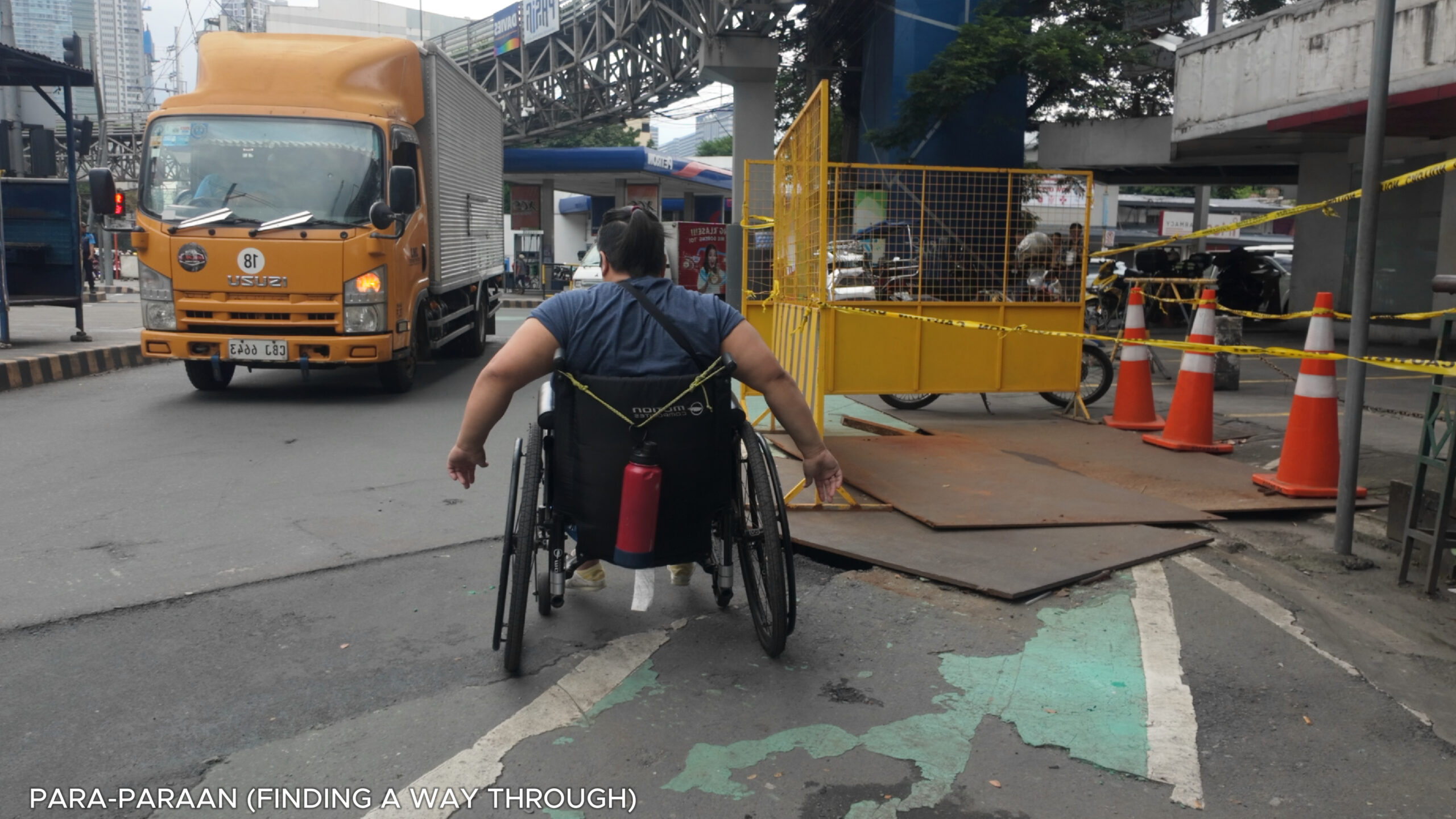
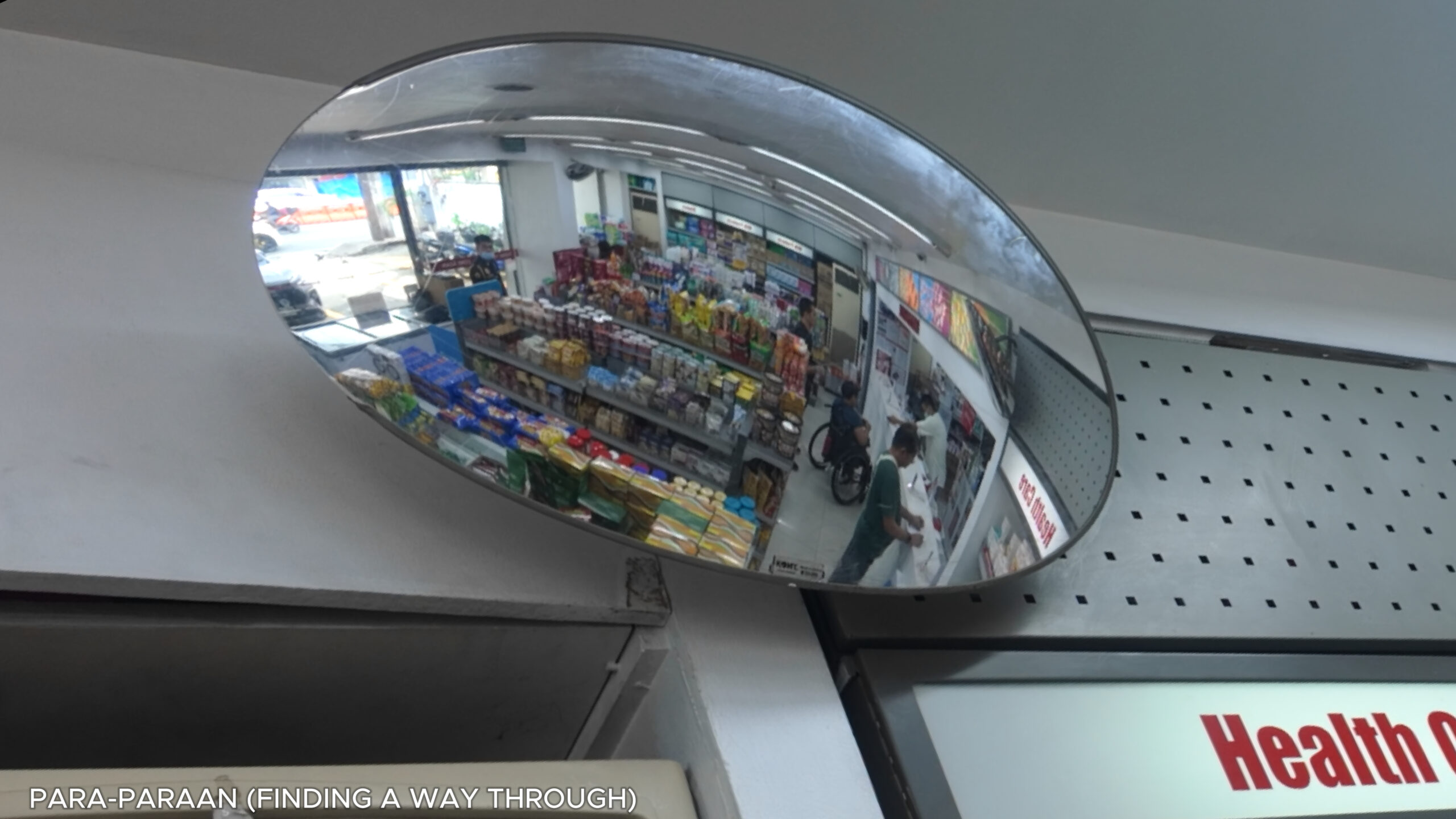
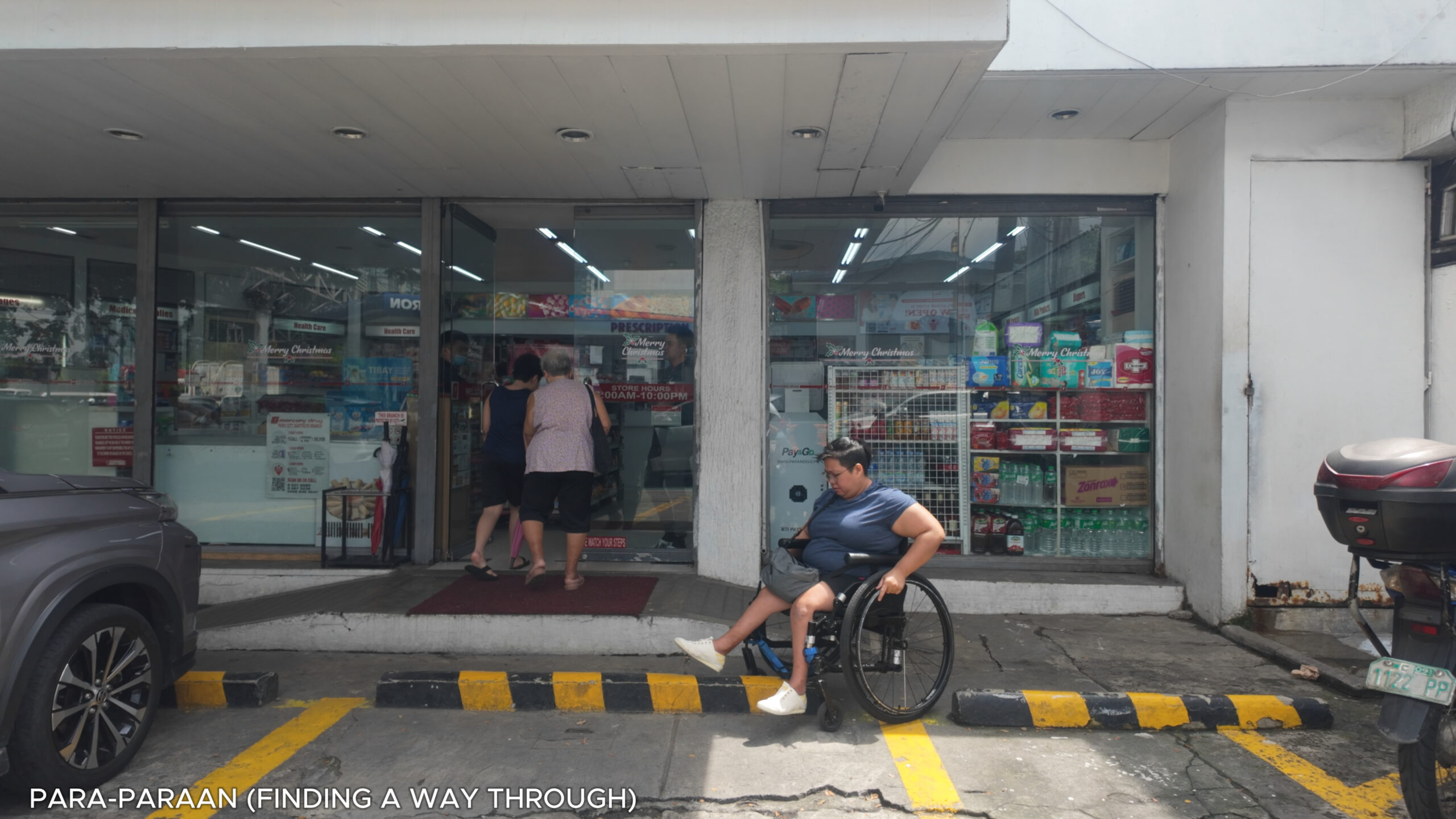
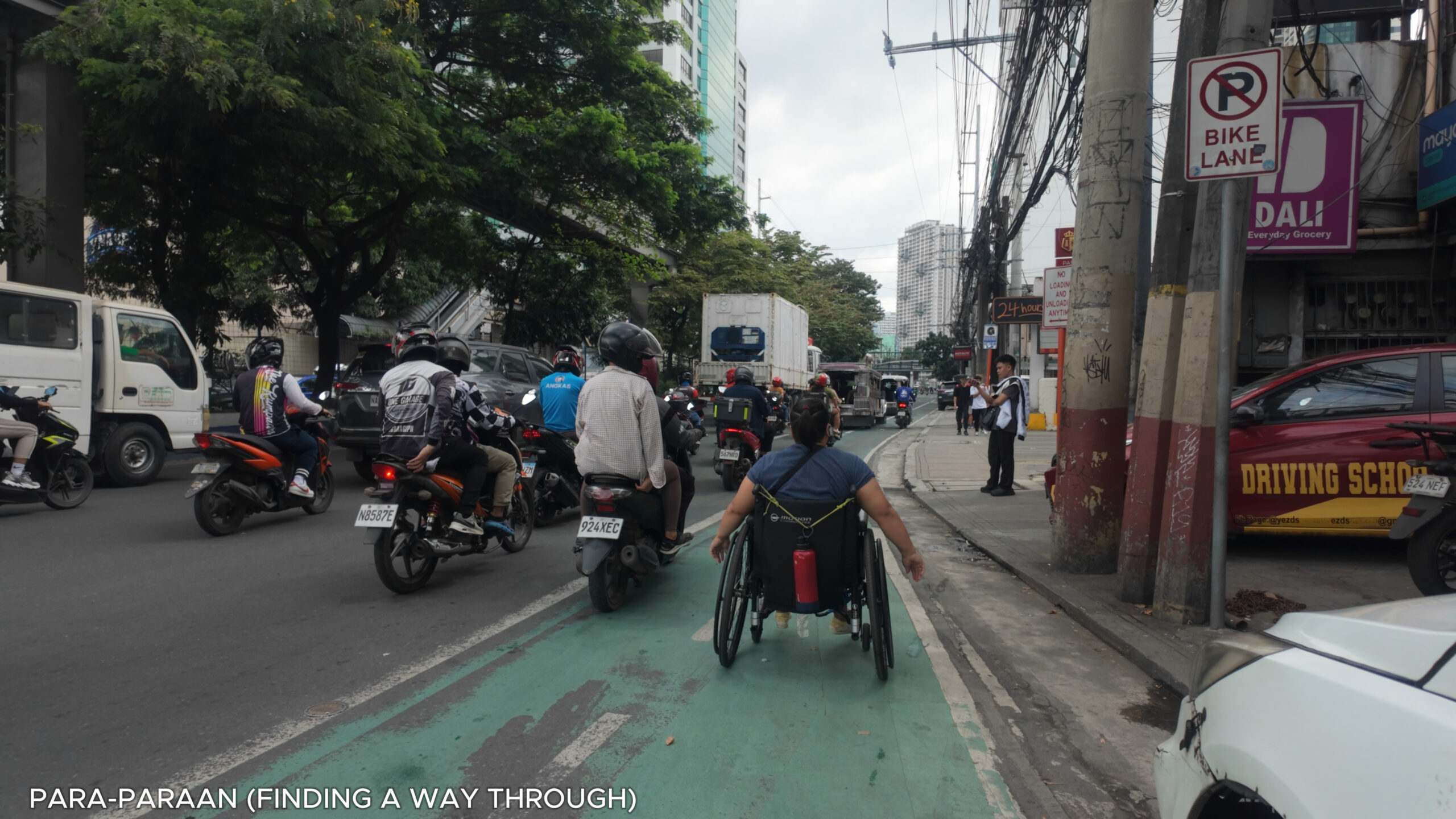
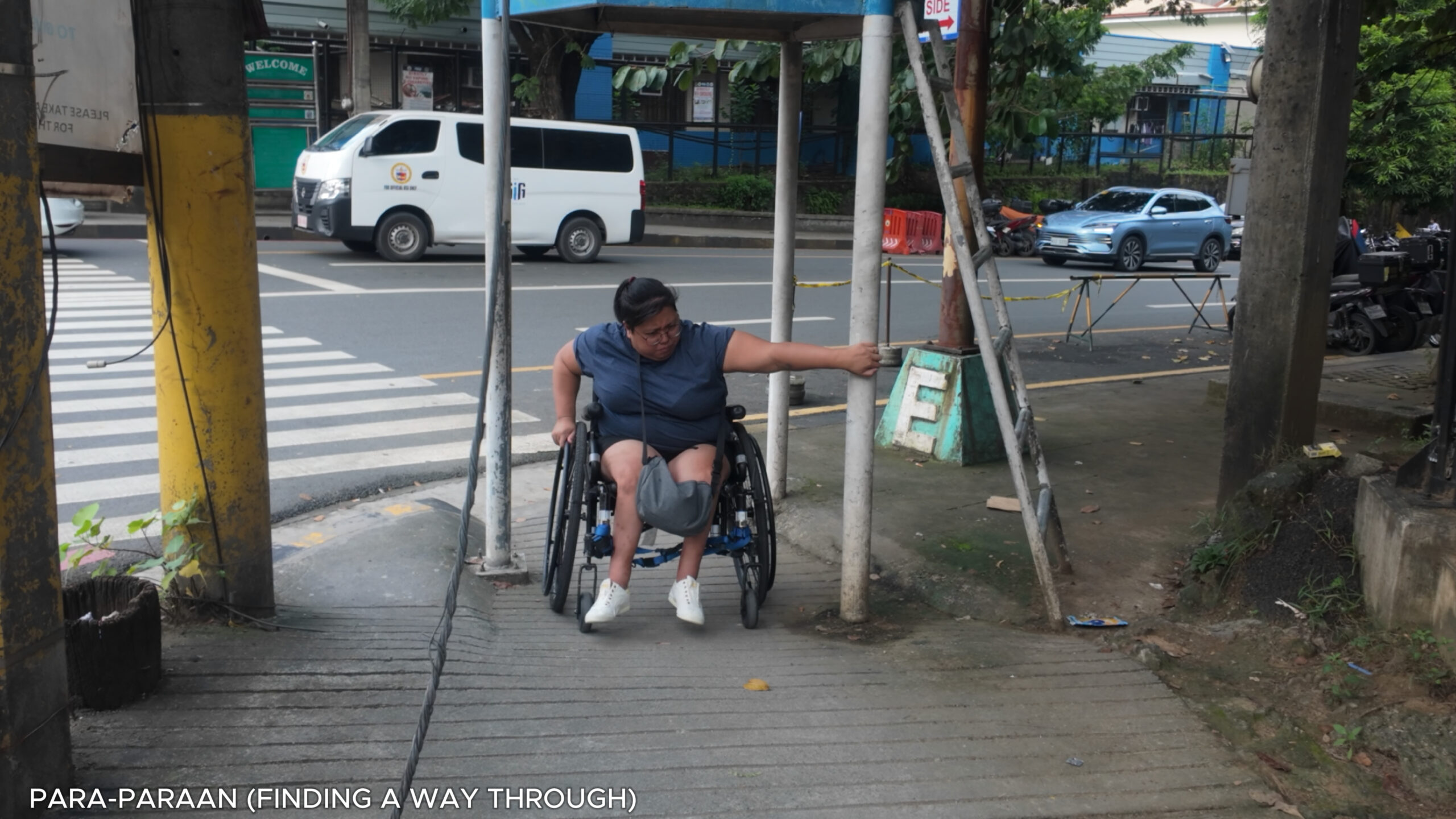
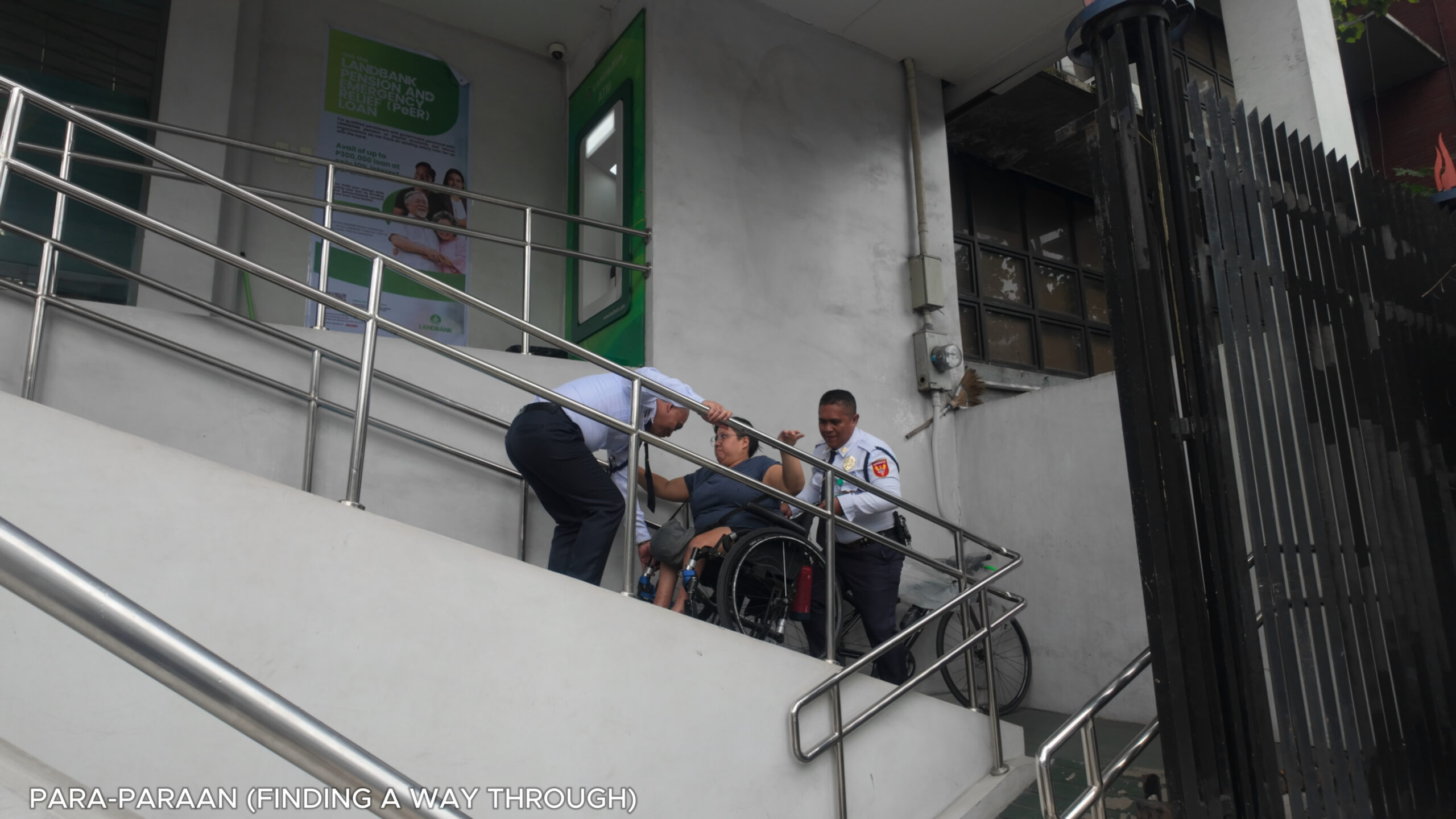
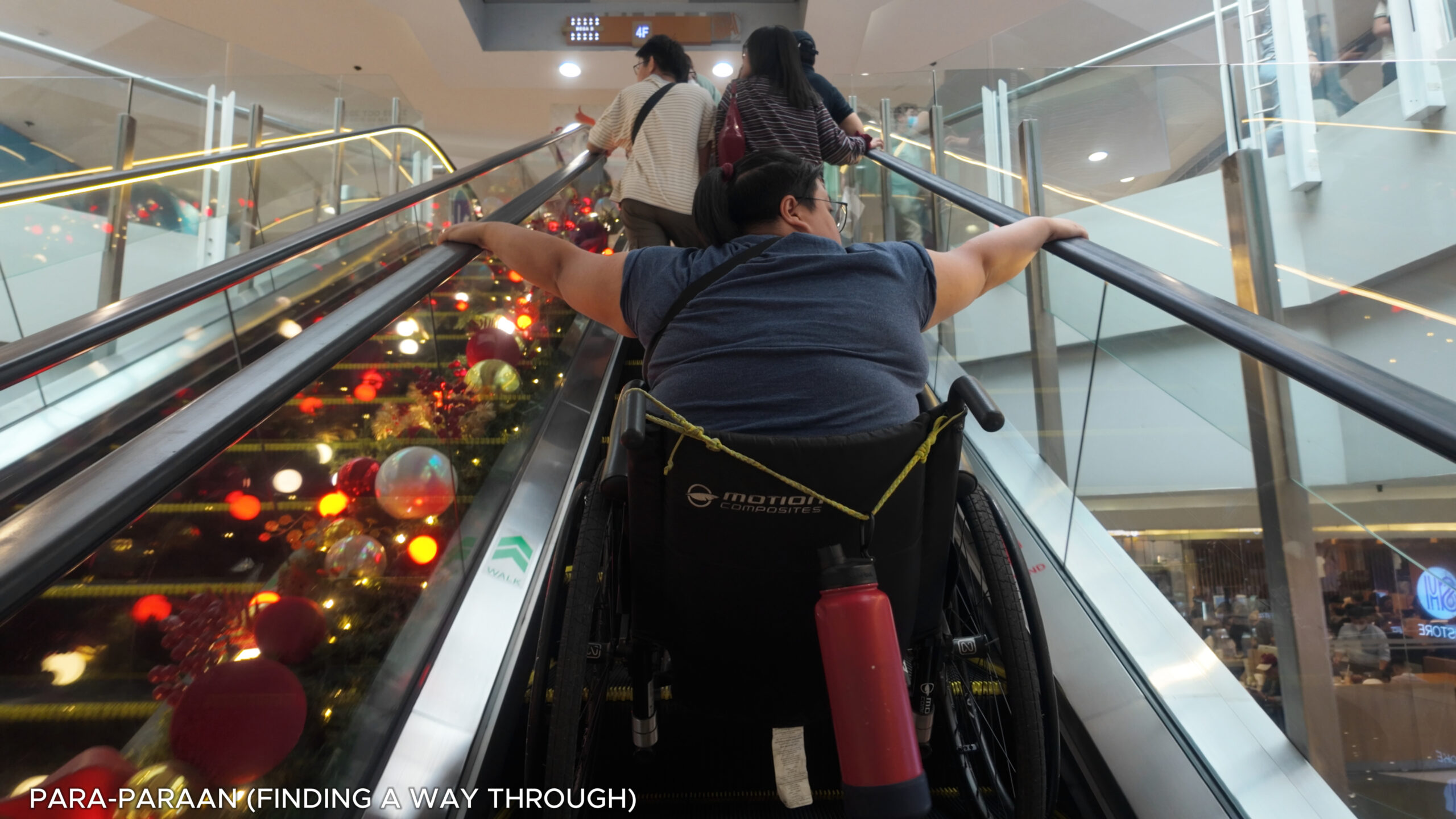
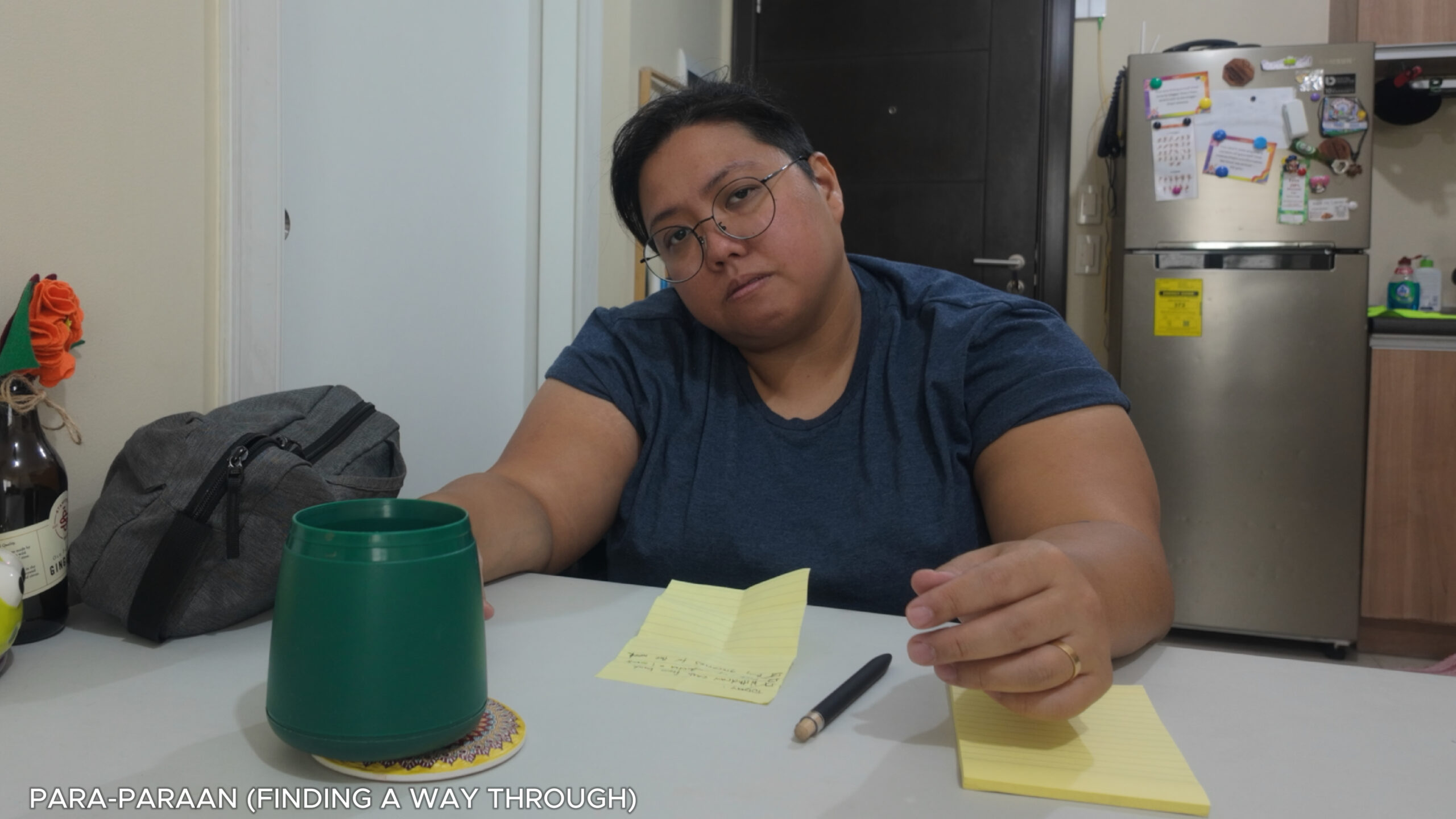
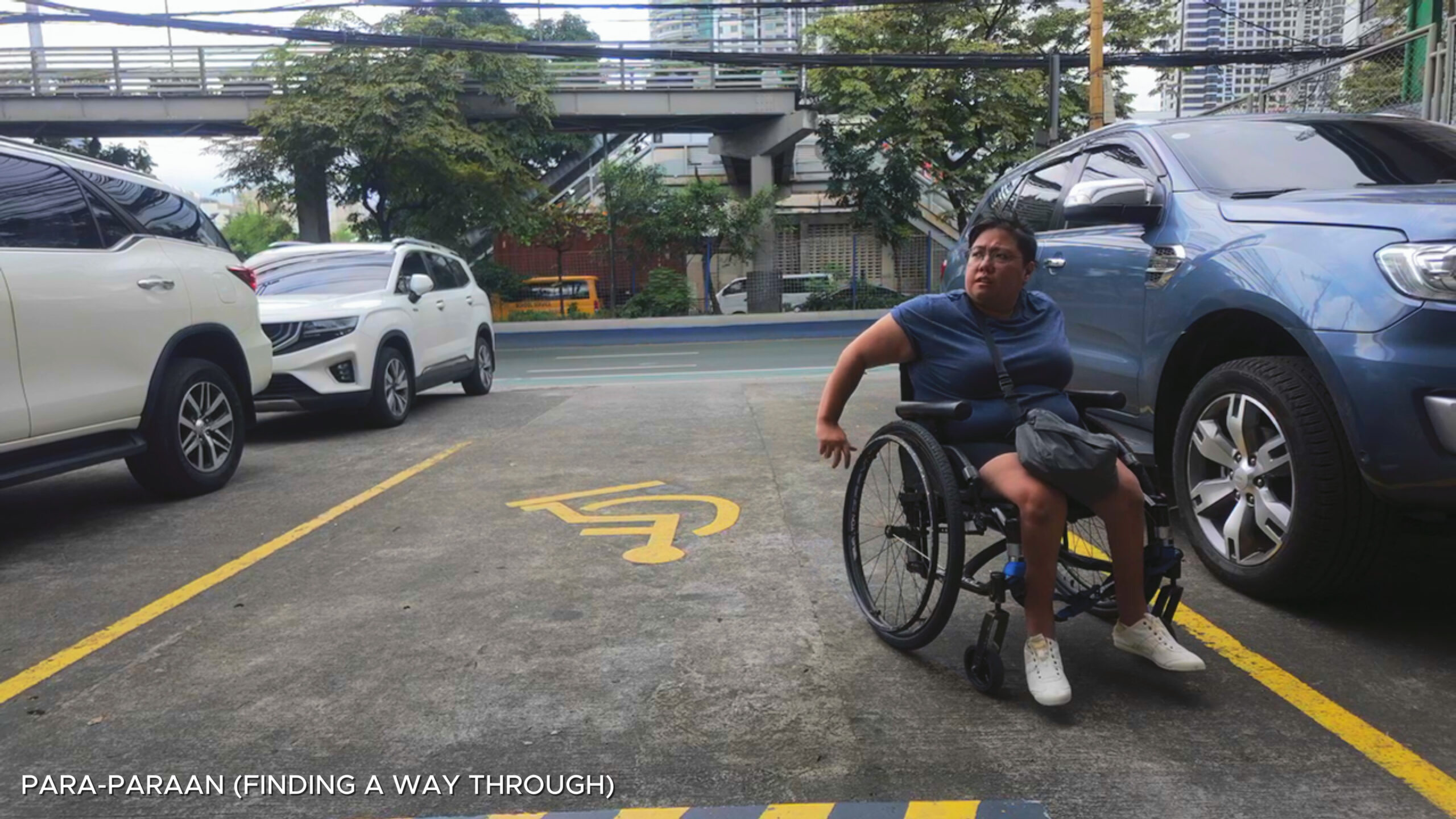
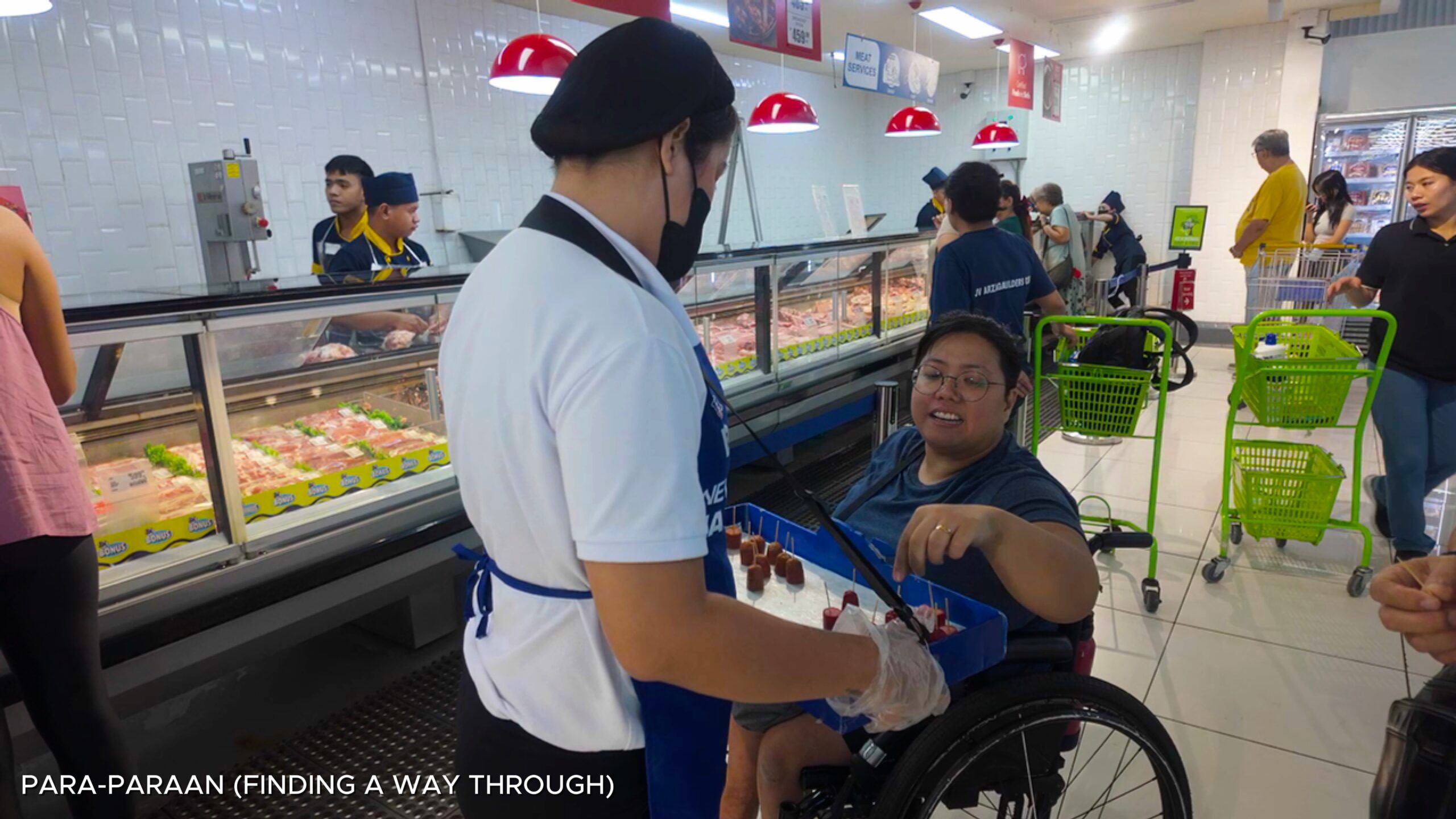
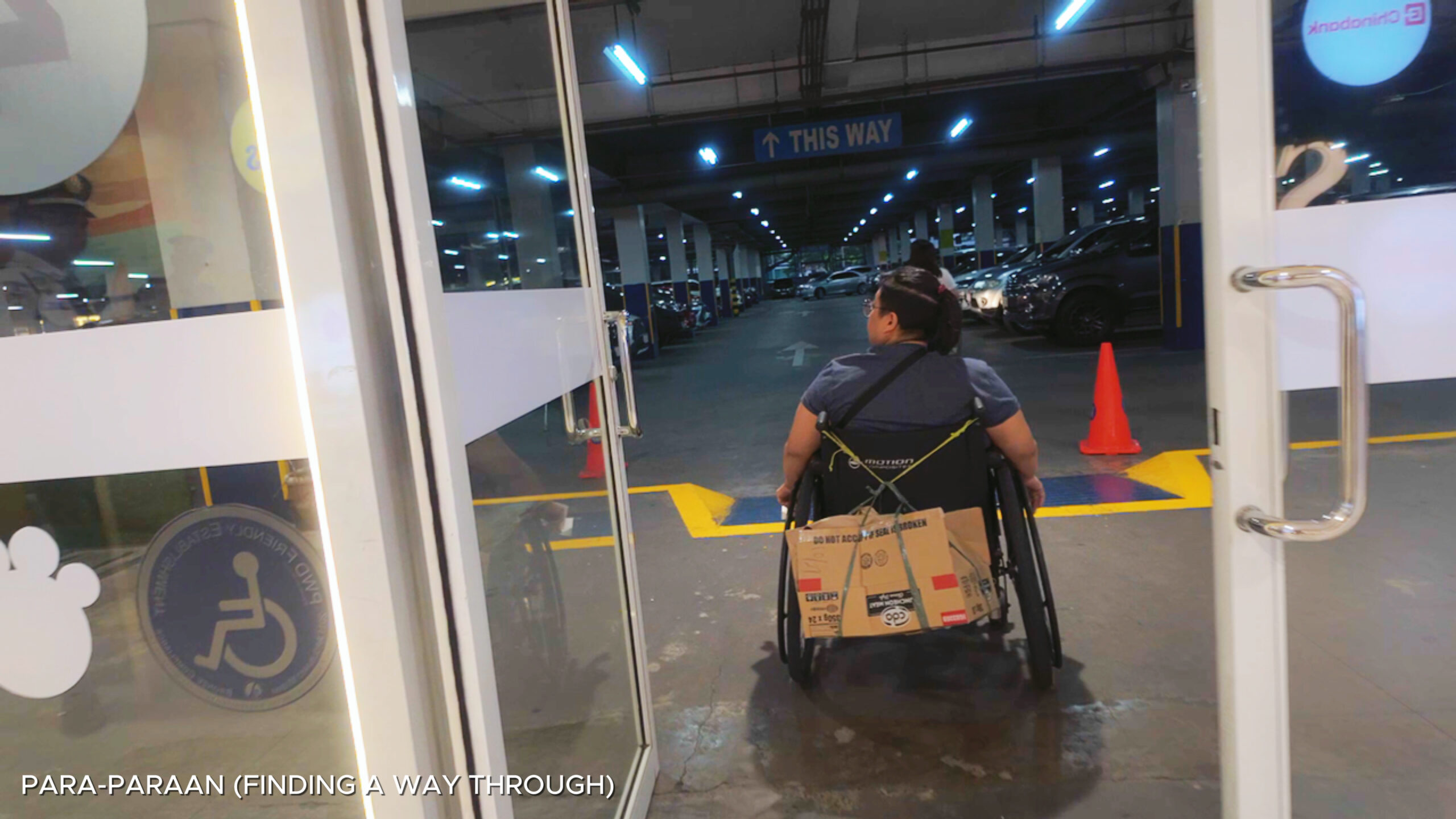
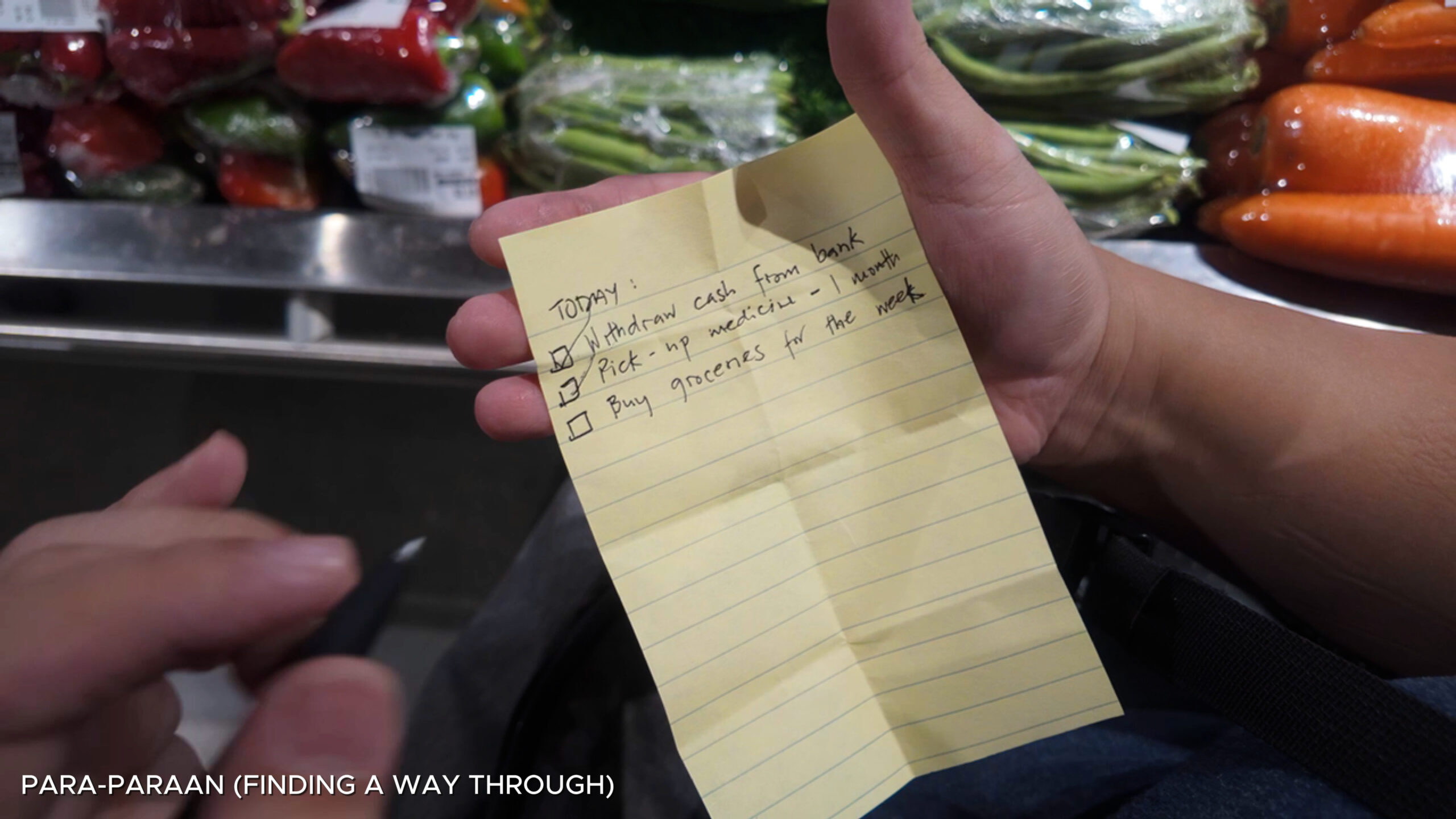
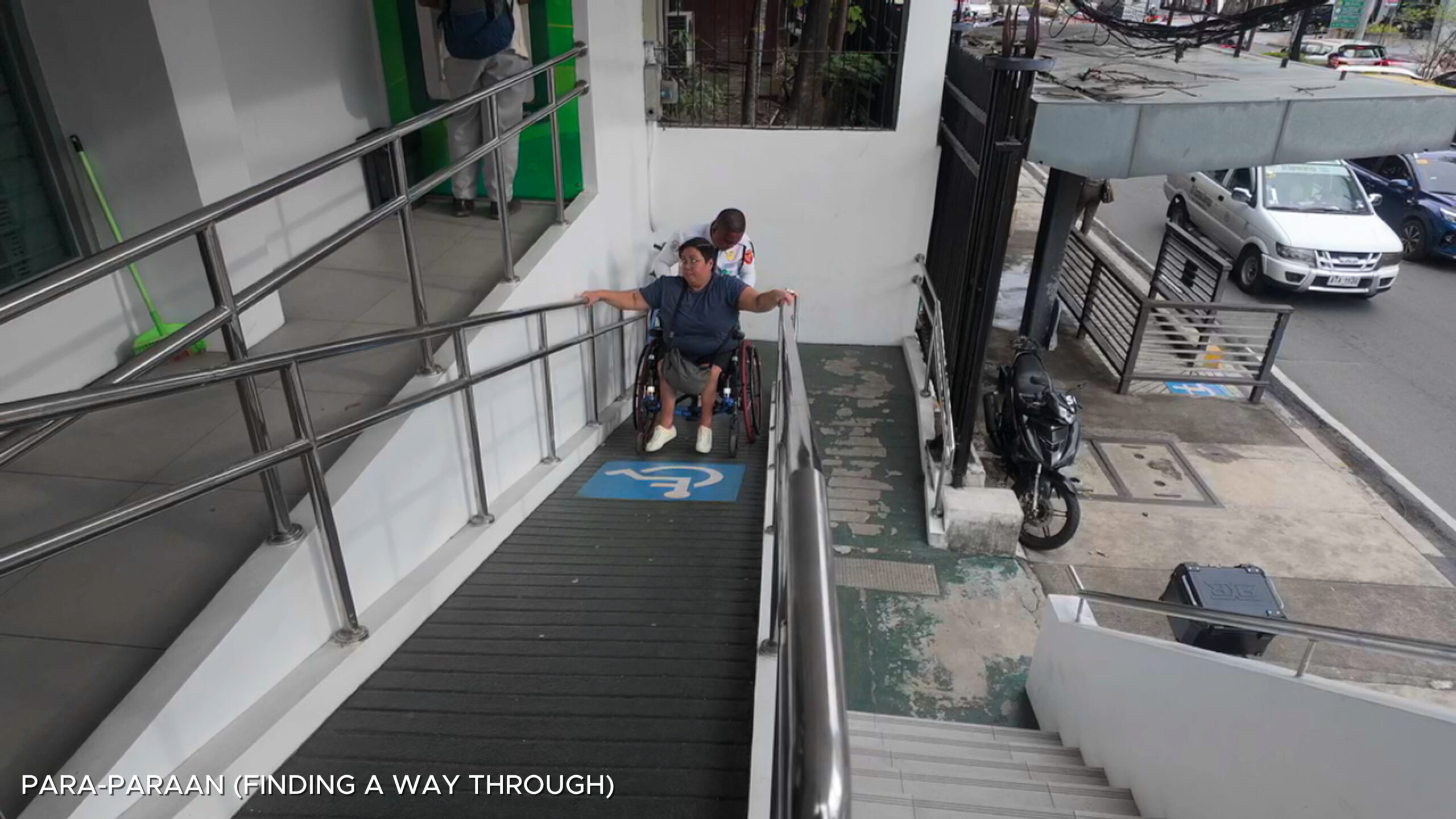
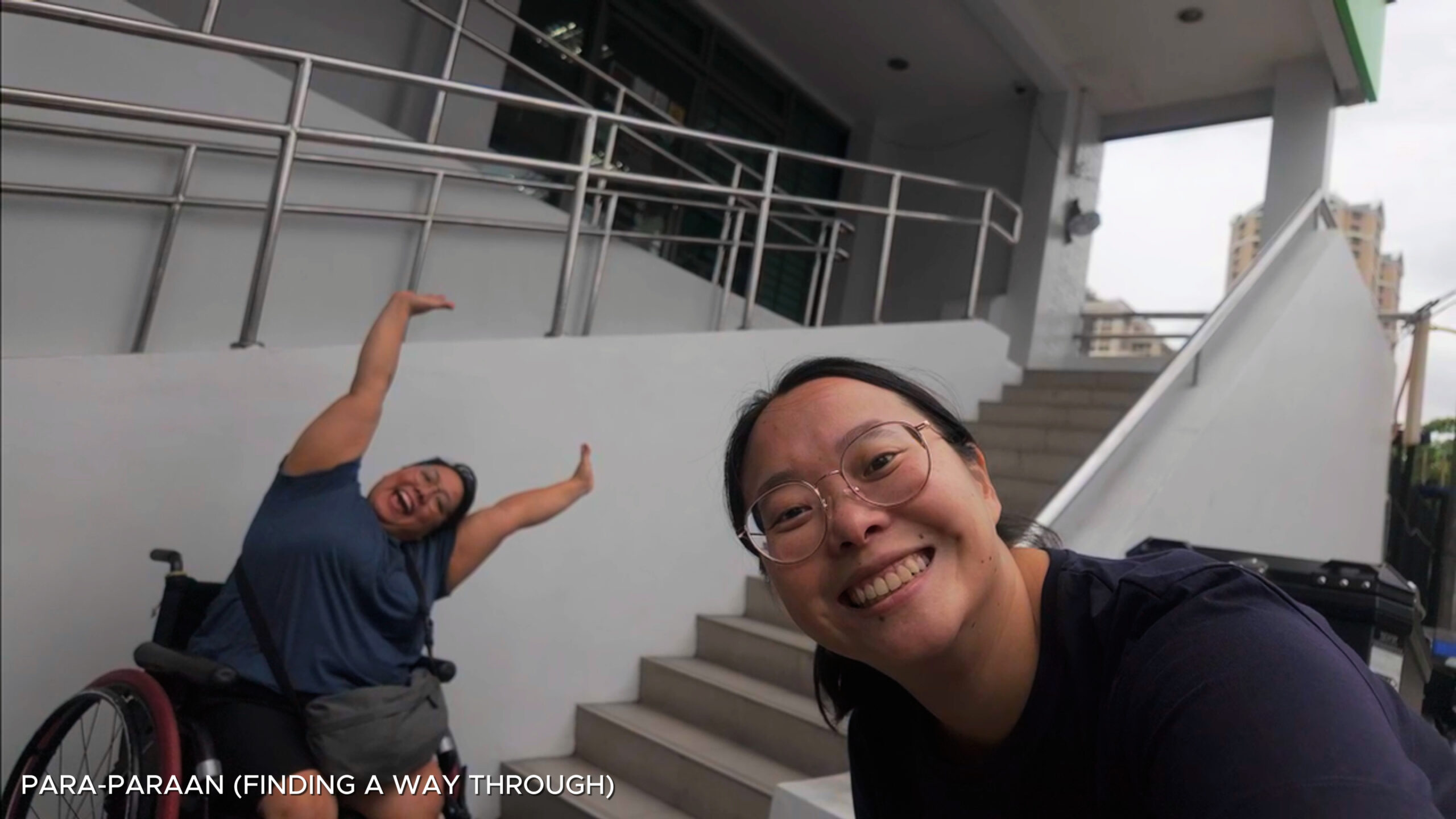
Kat, a wheelchair user, navigates a city where access is often improvised and inclusion remains uneven. Through everyday encounters and quiet observations, Para-Paraan (Finding a Way Through) reveals the barriers embedded within ordinary spaces and the constant adjustments required to move through them.
What begins as a personal journey becomes a reflection on the systems that shape participation, exposing how resilience is too often expected where accessibility should exist.
FILMMAKER’S PROFILE
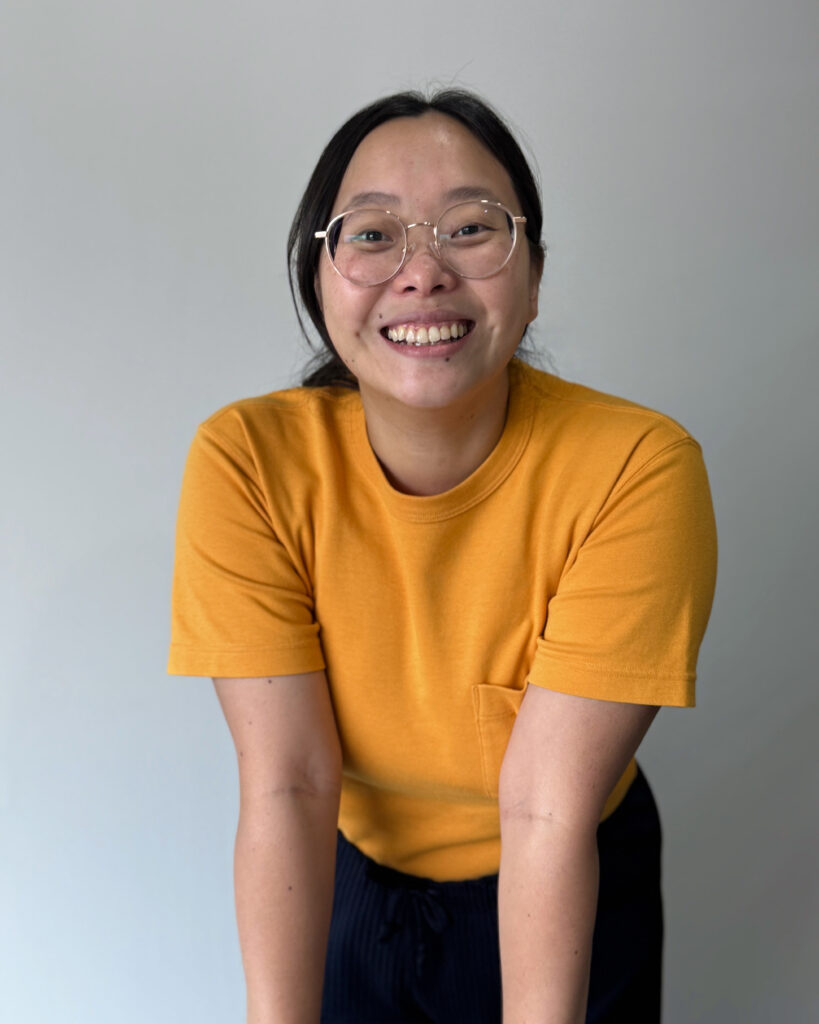
Mae Chan Li is a Filipino filmmaker and disability advocate whose work explores accessibility, inclusion, and belonging through documentary storytelling. Her debut film, Para-Paraan (Finding a Way Through), examines the everyday barriers faced by wheelchair users and reflects her commitment to using cinema as a tool for representation and social change.
Through filmmaking, she seeks to reframe how disability is seen, represented, and understood in Filipino society. As co-founder of Kat Out of the Box, she creates advocacy-driven content that challenges stigma surrounding disability and promotes accessibility in everyday life.
Li’s work spans digital media, community engagement, and public education, all rooted in the belief that representation can influence how people understand disability and inclusion.
DIRECTOR’S STATEMENT
Para-Paraan did not begin with an elaborate script. It wasn’t hard to find a plot to work with because the obstacles were everywhere. What shaped the film was not invention, but selection: choosing which realities to frame, which moments to hold, and which negotiations to share. The scenes in this film are quiet and familiar. They are the kinds of moments that often go unnoticed, even by those who live them every day.
Yet when placed in focus, they can feel unfamiliar, revealing how exclusion has been normalized within ordinary spaces. What appears mundane carries the weight of constant adjustment, of having to find a way. Para-Paraan relies on minimal dialogue, using observation and presence to convey meaning. I wanted the experience to unfold without explanation, allowing viewers to sit with these moments as they are.
In doing so, the film shifts attention away from the individual and toward the environments and systems that shape participation. This film is not about extraordinary barriers but about ordinary ones. It reflects a reality that many people move through every day, often unseen and unquestioned. My hope is that Para-Paraan encourages viewers to look more closely at the spaces around them and to reconsider what access, inclusion, and participation truly mean.
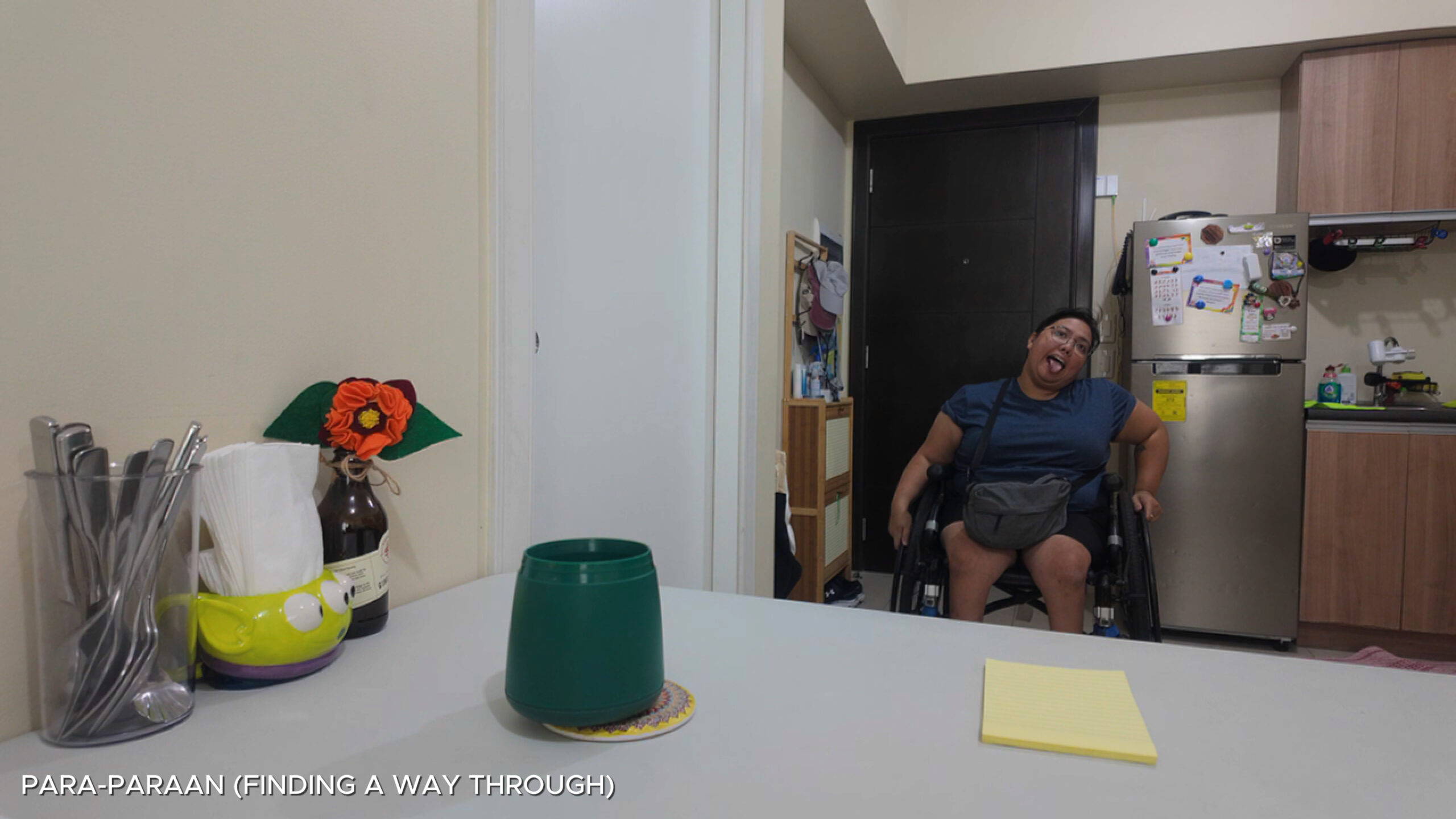
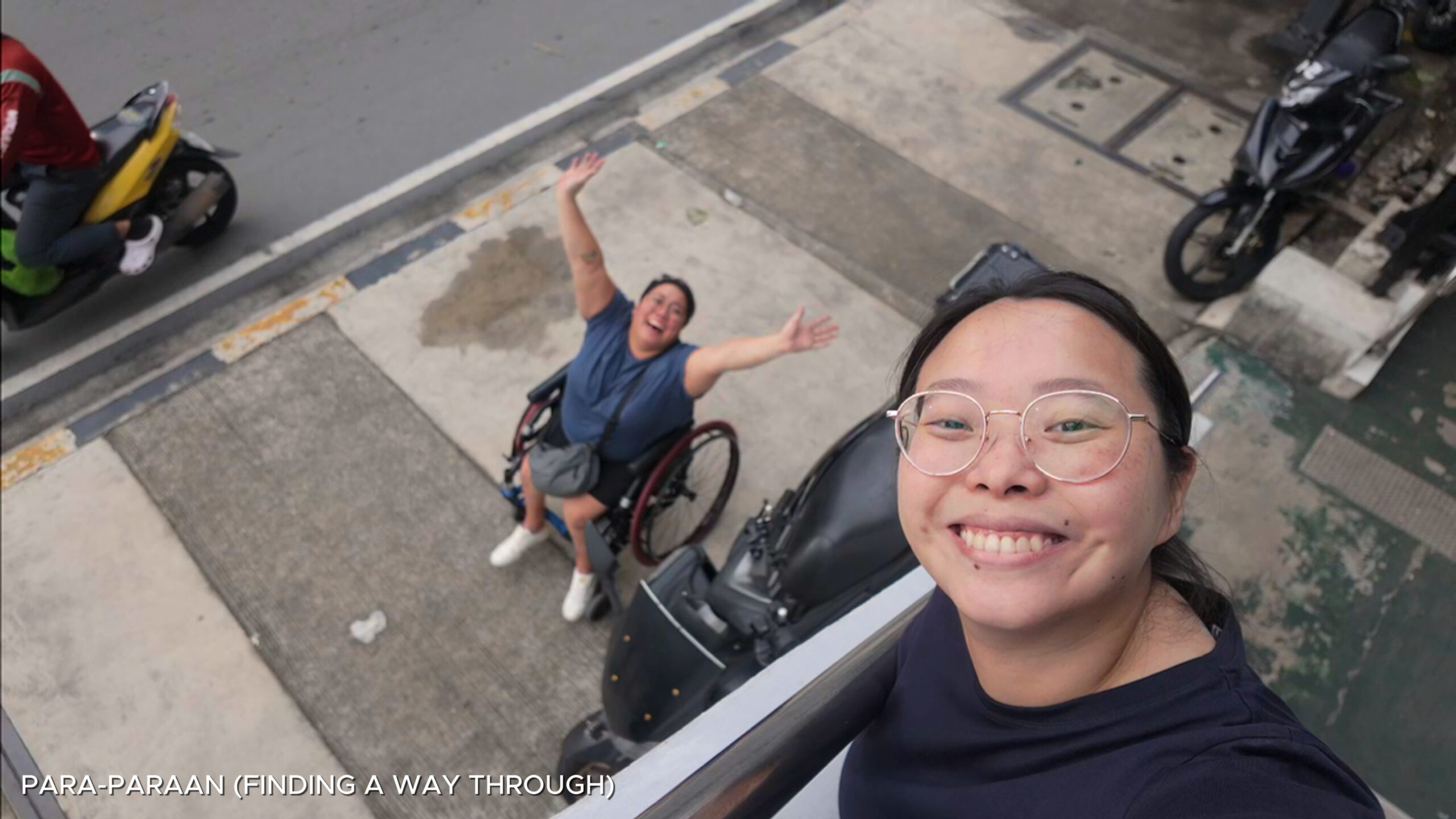
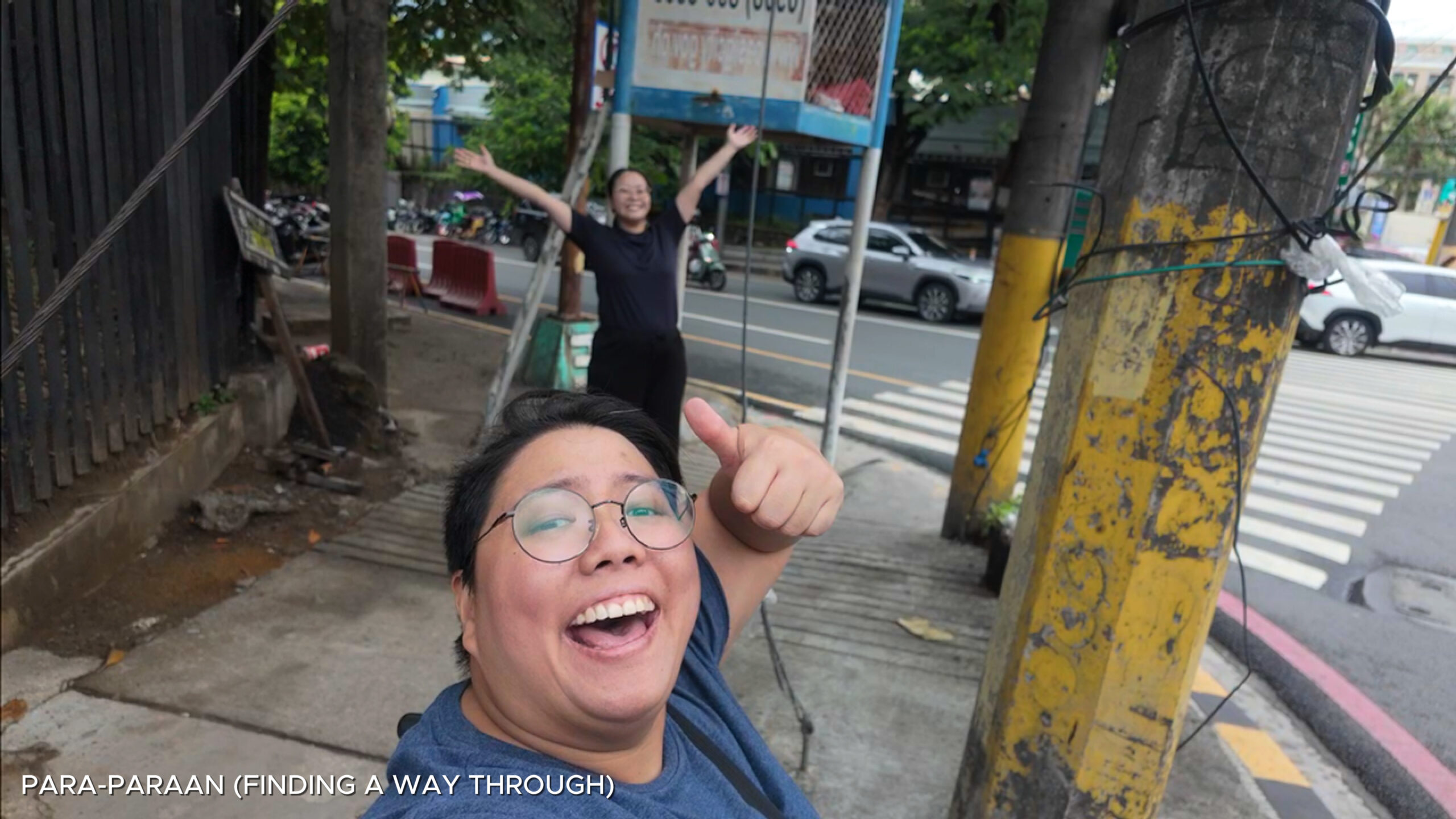
FILM STILLS
BEHIND THE SCENES
Share This Story
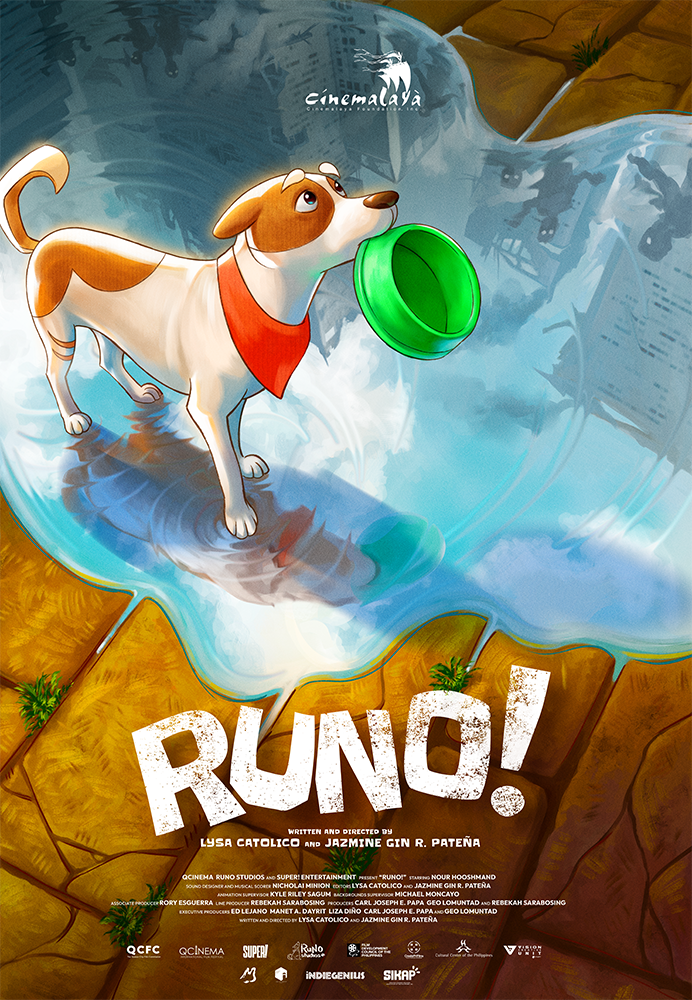 RUNO!
RUNO!