
CATEGORIES
CATEGORIES
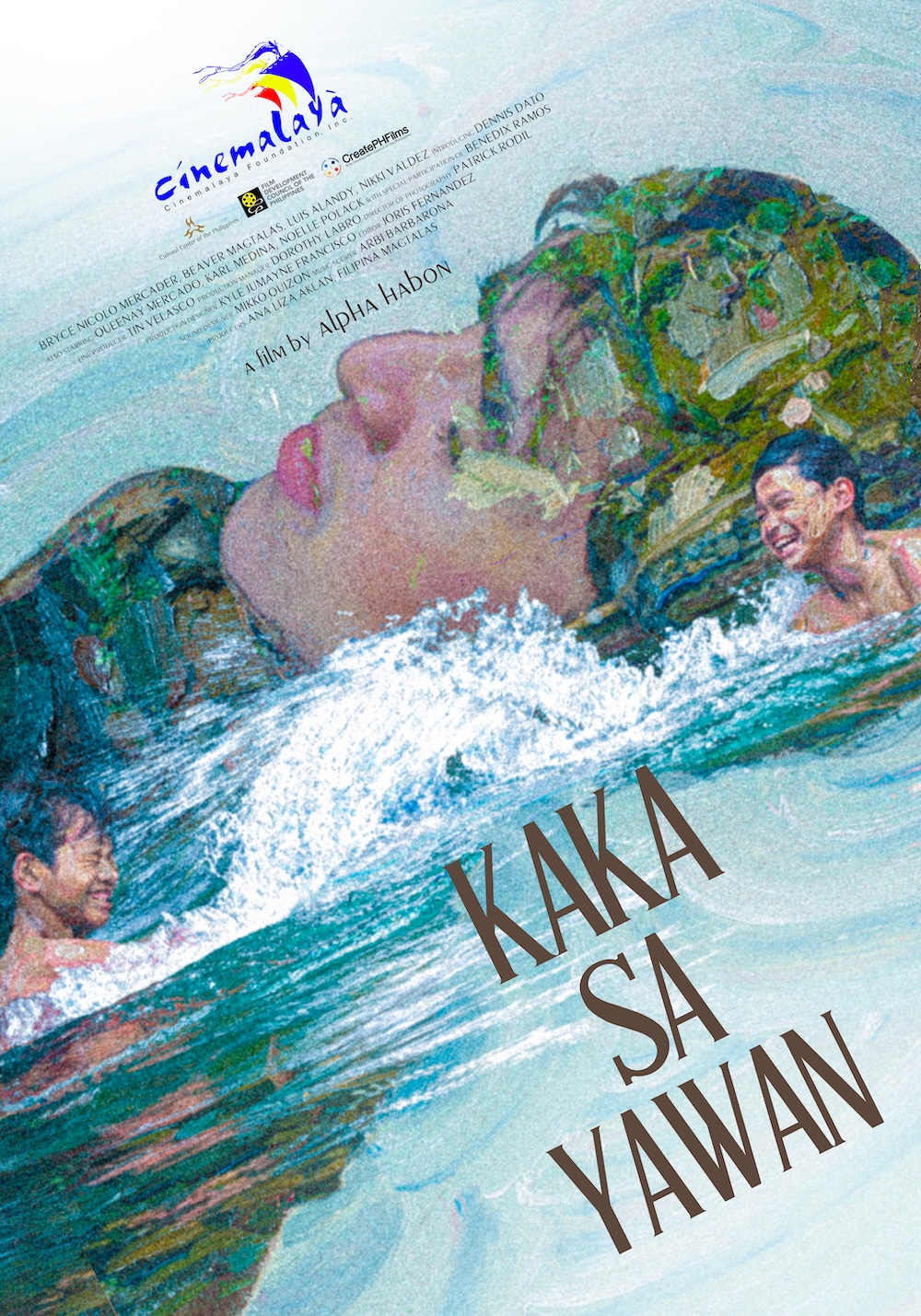
KAKA SA YAWAN
(BROTHERS BY THE RIVER)
KAKA SA YAWAN (BROTHERS BY THE RIVER)
by Alpha Habon
90 minutes | Drama | G | GAD
FILM SCHEDULE
CAST
Beaver Magtalas, Bryce Nicolo Mercader, Dennis Dato, Noelle Polack, Nikki Valdez, Luis Alandy, Karl Medina, Queenay Mercado, Deanne Bautista, Benedix Ramos
PRODUCTION
DIRECTOR — Alpha Habon
SCREENPLAY – Alpha Habon
EDITOR – Joris Fernandez
CINEMATOGRAPHER – Patrick Rodil
PRODUCTION DESIGNER – Kyle Jumayne Francisco
ORIGINAL MUSICAL SCORE – Arbi Barbarona
SOUND DESIGNER – Mikko Quizon
EXECUTIVE PRODUCERS – Ana Liza Aklan, Filipina Magtalas
PRODUCERS – Ana Liza Aklan, Filipina Magtalas
LINE PRODUCER – Tin Velasco; PRODUCTION MANAGER – Dot Labro
LOGLINE
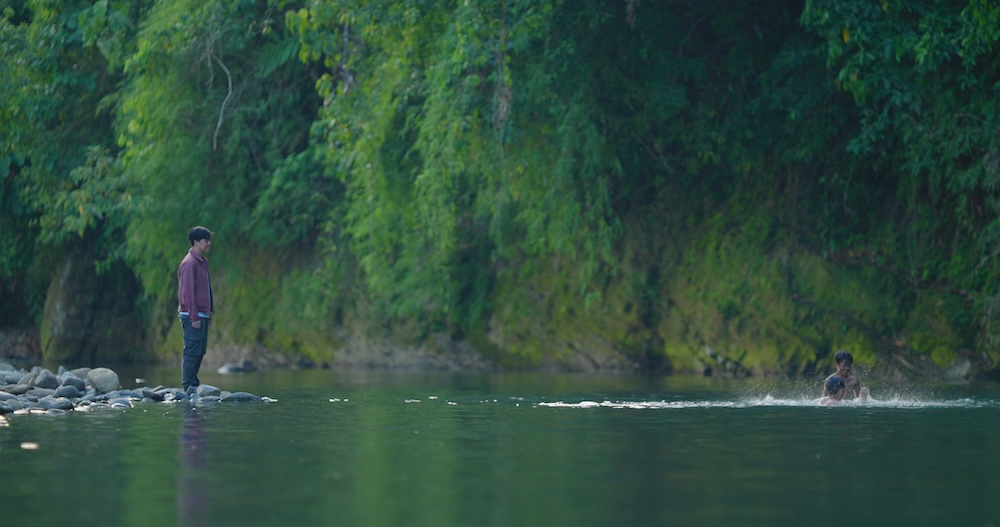
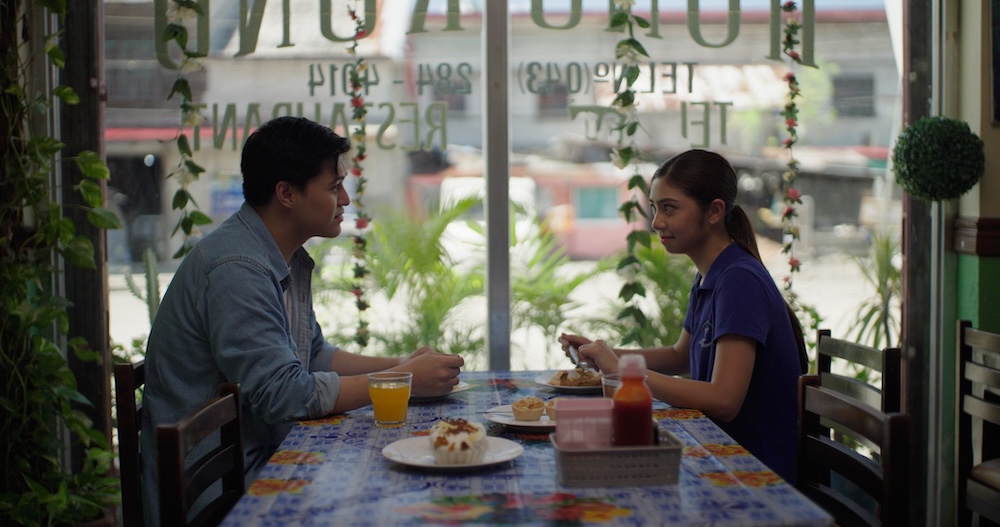
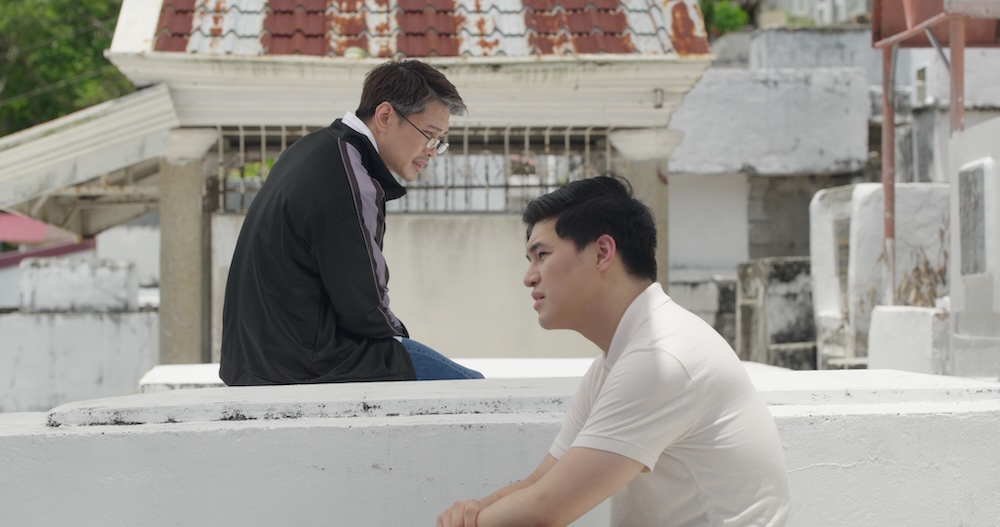
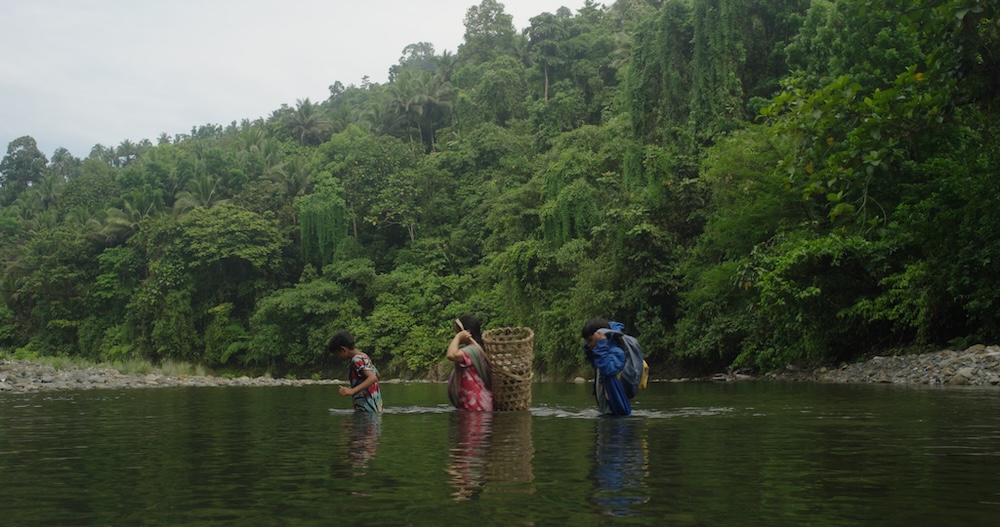
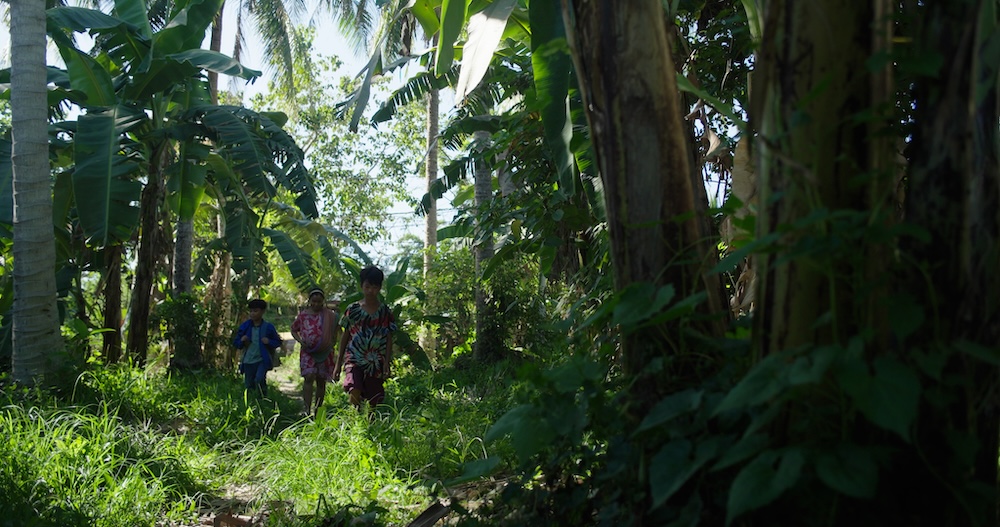
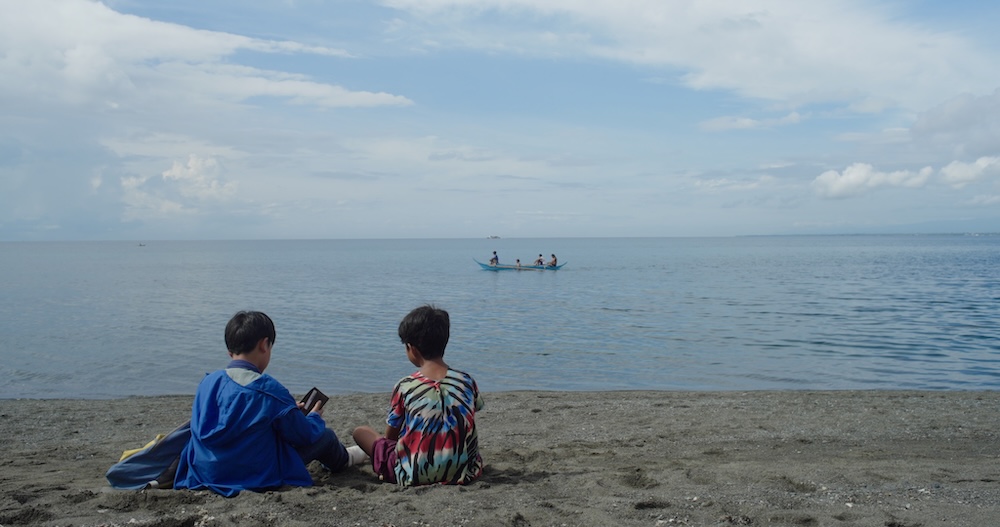
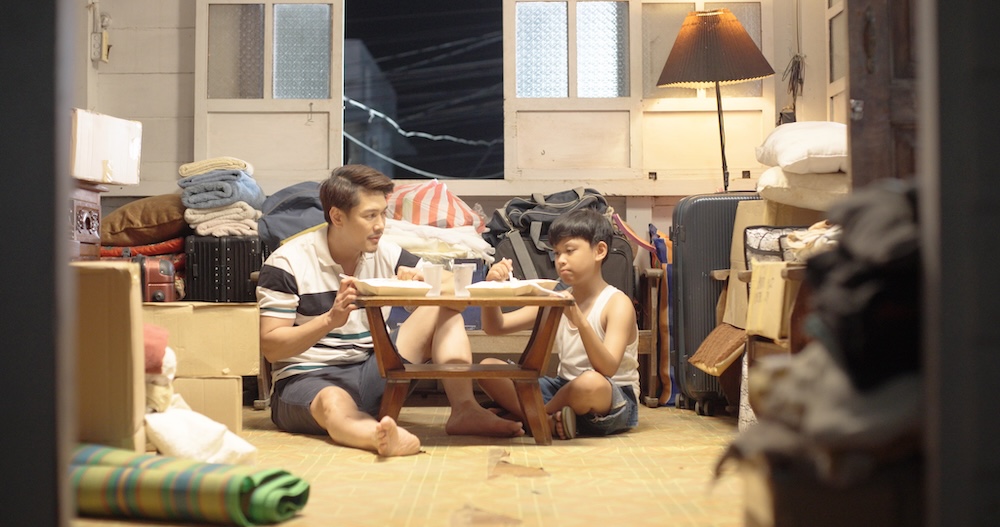
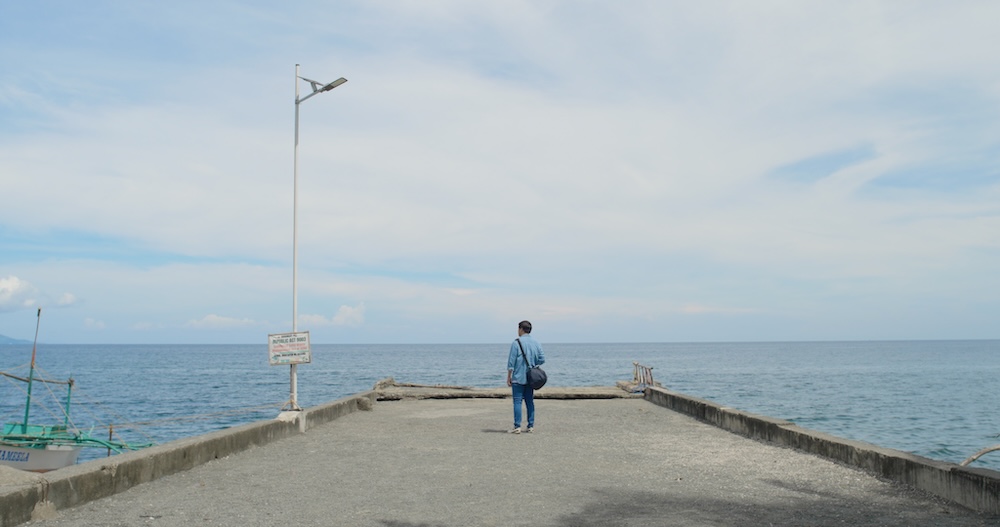
A coming-of-age story of two friends in Mindoro: Niko, a Manila boy; and Ayan, a Tadyawan-Mangyan who bonded one summer. Years later, adult Niko returns to honor a promise.
SYNOPSIS
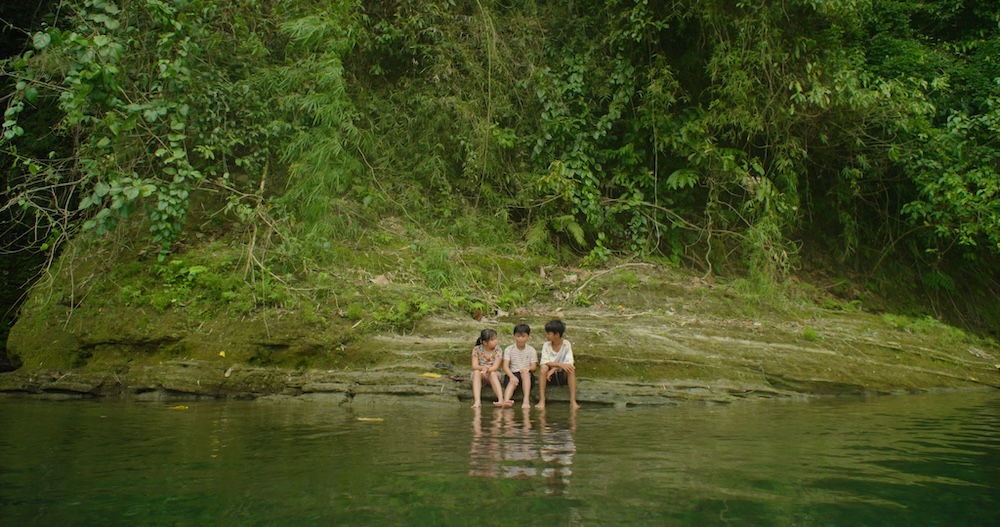
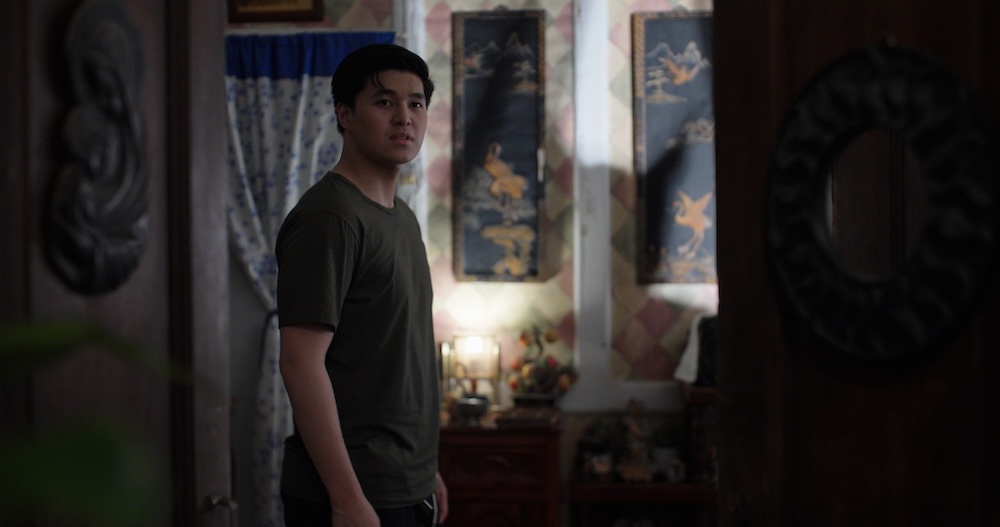
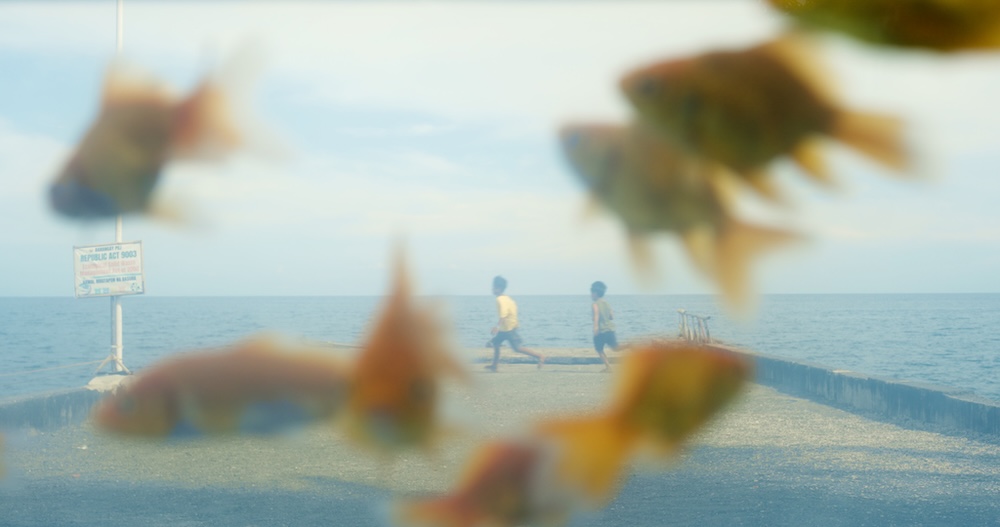
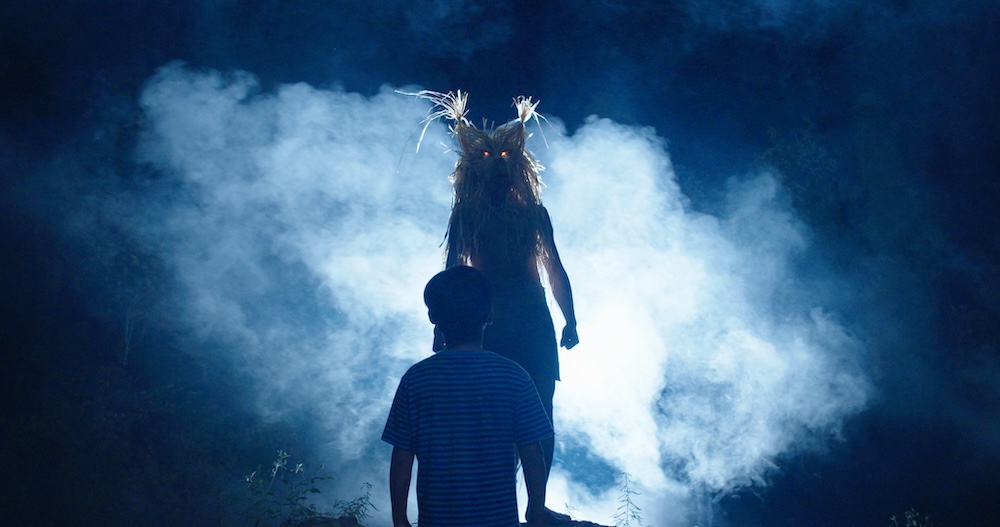
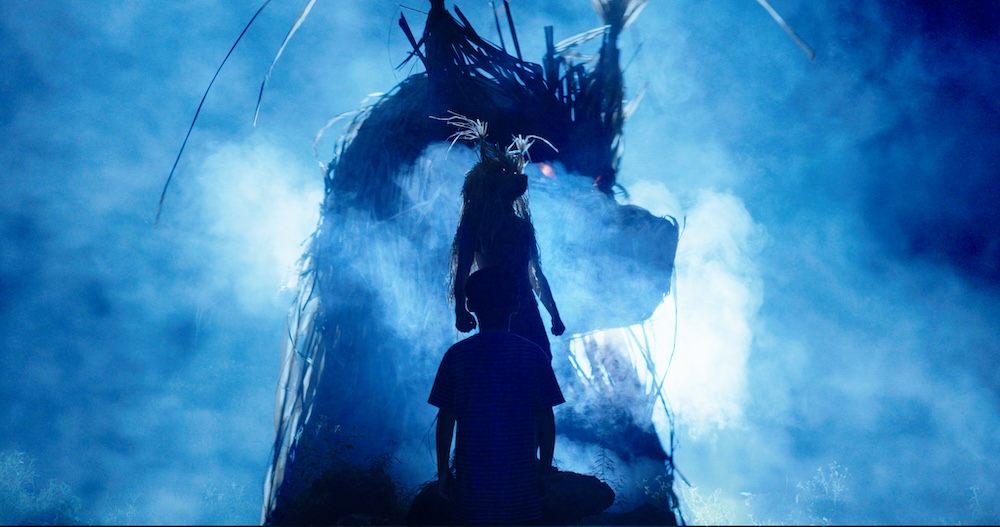
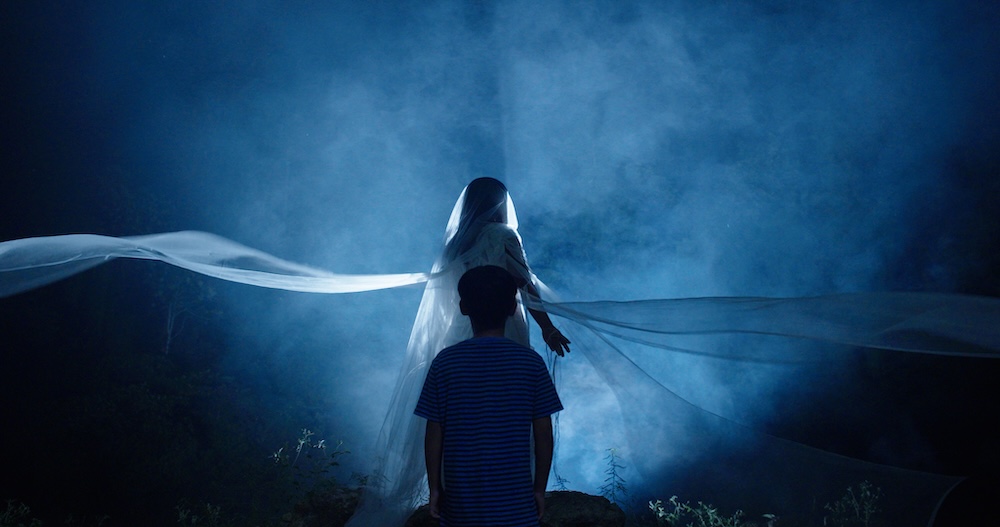
Niko, a 21-year-old young man from Manila, returns to Mindoro, the island that once broke him. This unravels the memory of a pivotal summer from his youth: his friendship with Ayan, a playful Mangyan boy with big dreams. Their eventual friendship helps Niko see the world differently. In time, they make a pact to be inseparable and fulfill their dreams together. Now, in the present, a jaded Niko is back to keep his word. Torn between land and sea, memory and reality, he confronts a forgotten past: an estranged identity, a fractured childhood, and a promise left unfulfilled. He eventually learns to rise above the currents of his grief, and carry forward the spirit of a bond that once saved him. The film celebrates the richness of Mangyan-Tadyawan traditions, intergenerational healing, and how the poignant memory of a friend can bring forth healing and the courage to rewrite one’s future.
FILMMAKER’S PROFILE
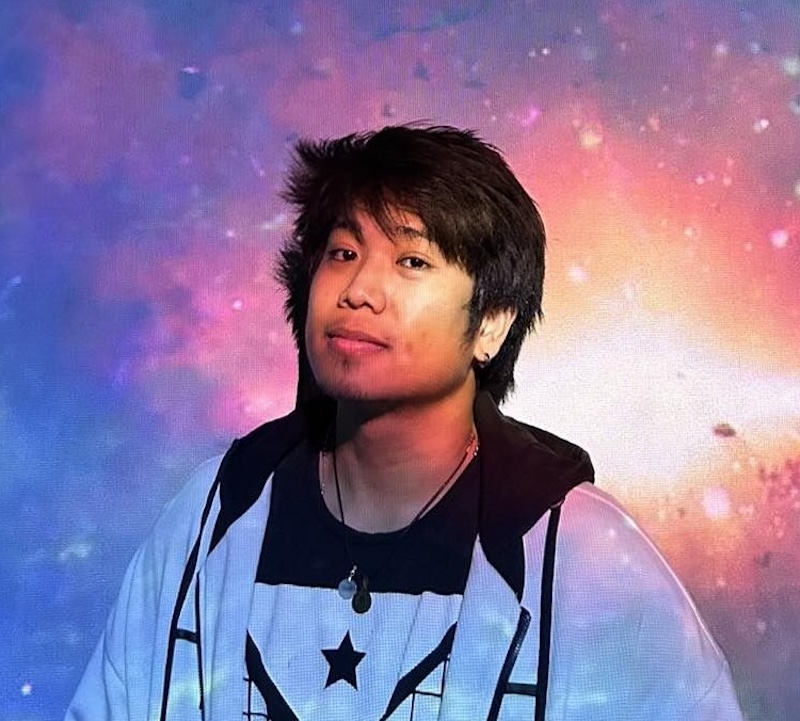
ALPHA HABON
Alpha Habon is a film and TV director, writer, and producer whose work spans both narrative and unscripted storytelling. He has collaborated with major Philippine networks including ABS-CBN, GMA, and TV5, and has worked on films produced by Star Cinema and VIVA.
His projects have been featured in prominent local film festivals such as the Metro Manila Film Festival (MMFF), Pista ng Pelikulang Pilipino, CineSilip, CineFilipino, and now Cinemalaya. Beyond film and television, he creates digital advertising campaigns, and writes and story-produces internationally recognized formats, including Last One Laughing PH and Drag Race Philippines.
Through his work across film, television, and digital media, Habon continues to explore stories that connect with audiences through humor, emotion, and distinctly Filipino perspectives.
DIRECTOR’S STATEMENT
This film began with a question – Why do memories have the power to both haunt and heal us? I wanted to explore the quiet, tender truths that follow us: memories; promises; and wounds we never quite outgrow, especially those formed in childhood.
Kaka Sa Yawan is a deeply personal film, because it echoes the unspoken weight so many of us carry – childhood grief, identity displacement, fractured families, and relationships that leave a permanent mark on who we become. At its core, this film is about the delicate work of healing: how a boy learns to forgive a mother, remember a friend, and rebuild one’s self in the same place that both hurt and saved him.
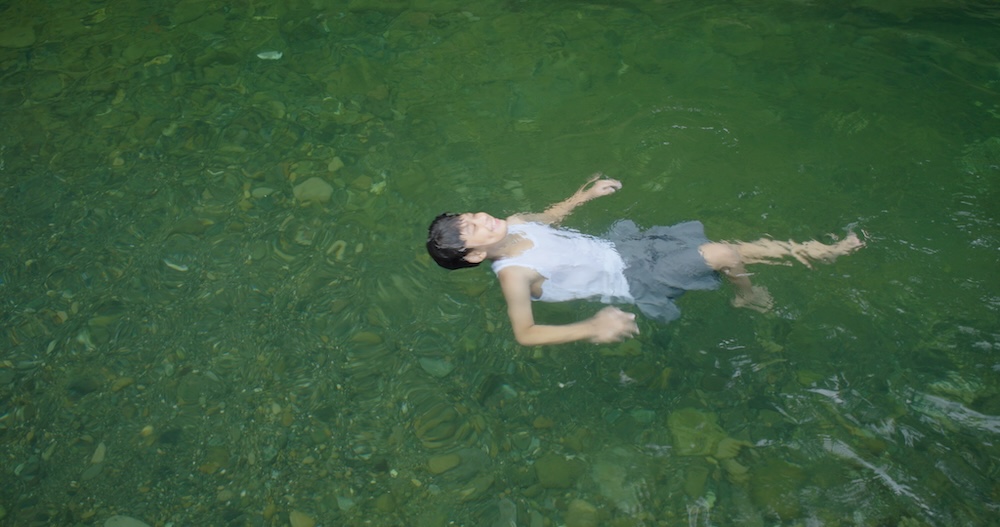
Told across two timelines, the film takes on a reflective tone, lingering in silences and the unspoken. I was drawn to the slow unraveling of memory, and how the past often resurfaces not in grand revelations, but in small, human moments: a woven bracelet, a swimming lesson, a familiar laughter in the distance.
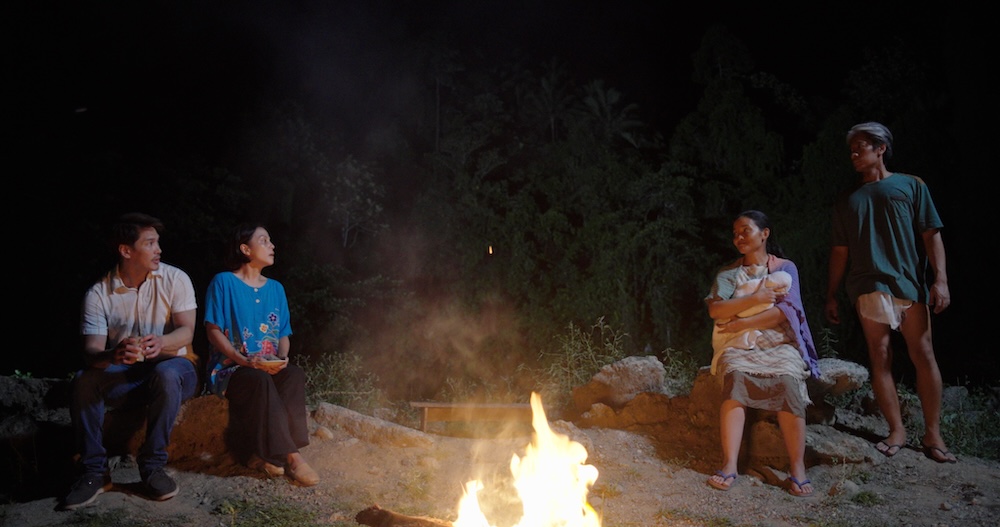
Central to the film is Niko and Ayan, two boys from vastly different worlds, who find common ground in the transcendental. Ayan is Tadyawan-Mangyan, and portraying his culture with care, humility, and authenticity was a guiding principle from the beginning. I am inspired by their belief in the unbreakable and constant flow of life, similar to their river that sustains them.
In the end, Kaka Sa Yawan is about how grief can follow us. But also how love, memory, and connection can too. It’s a story that asks: What does it mean to return? And once we do, how do we choose to stay?
FILM STILLS
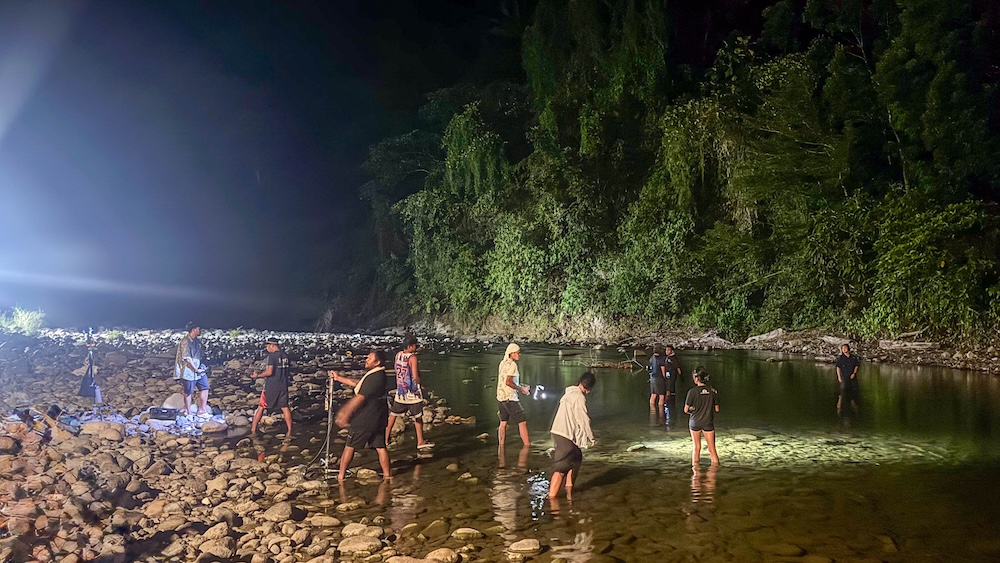
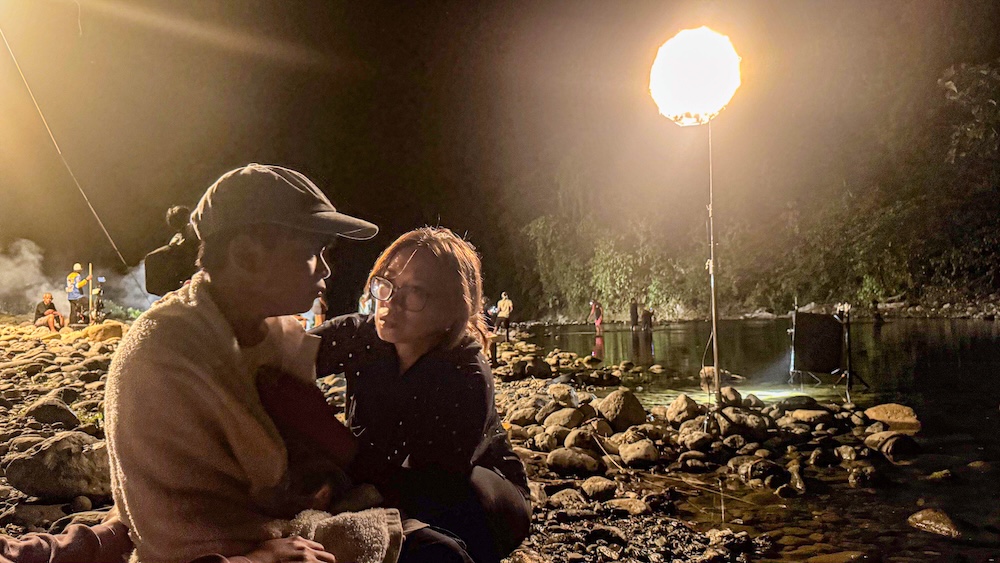
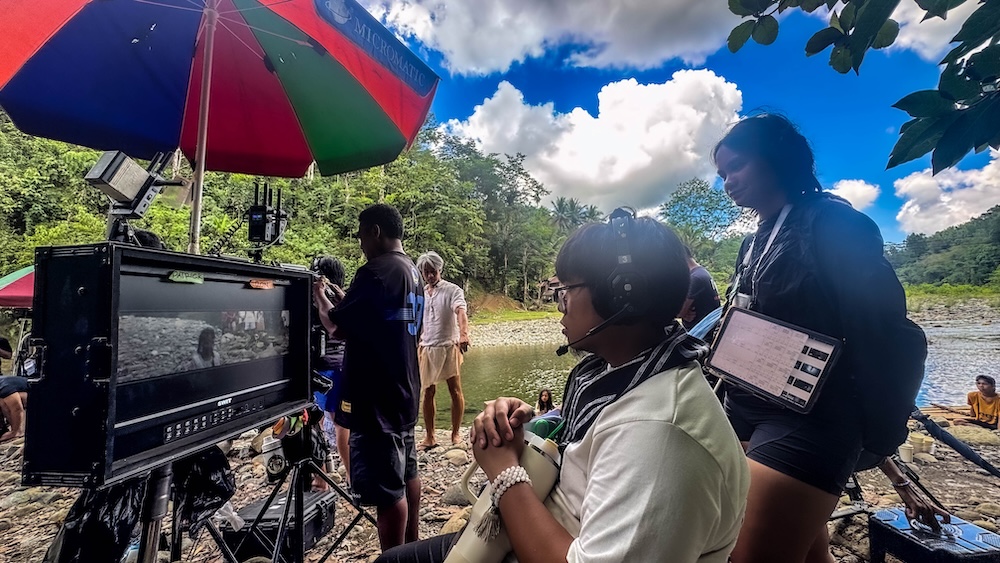
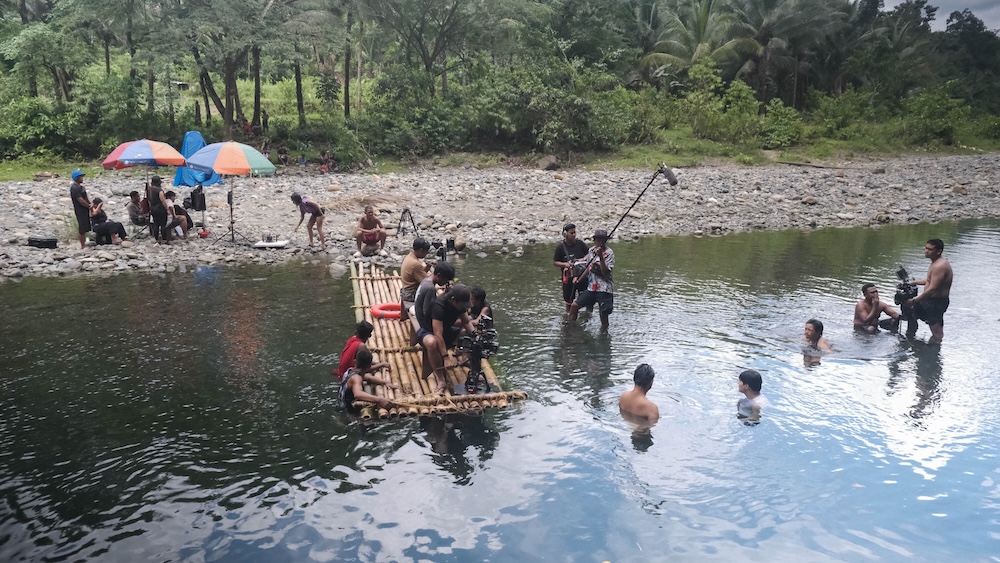
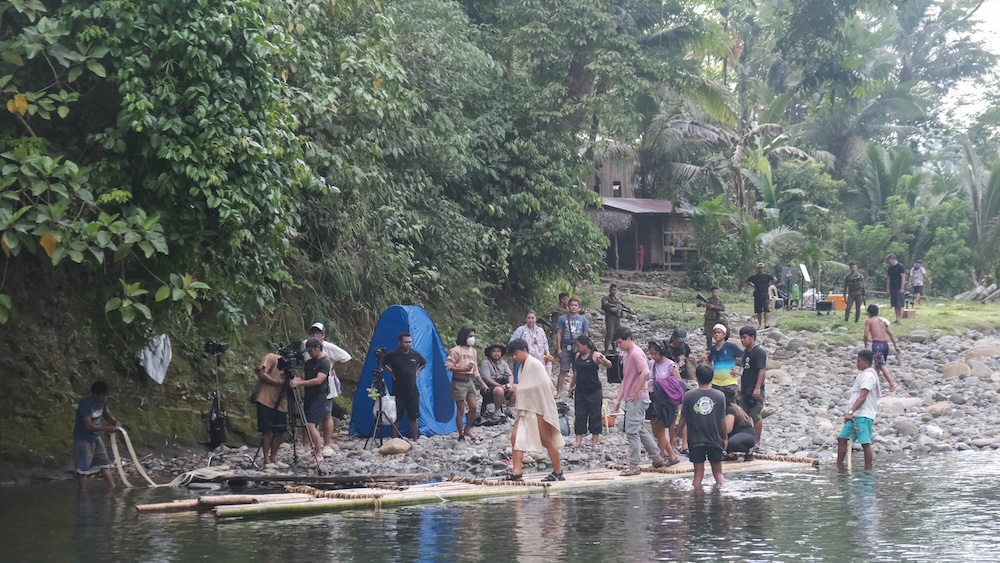
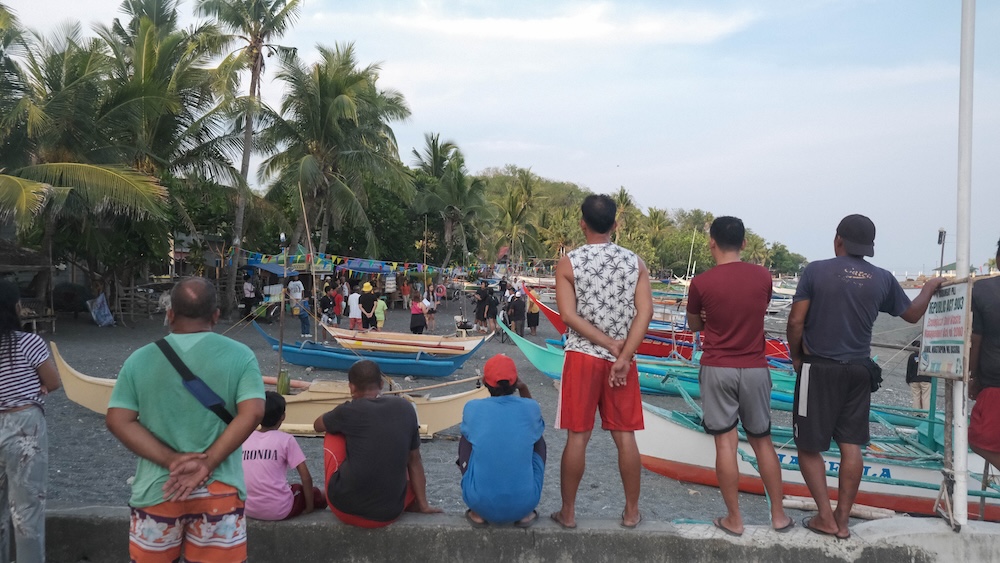
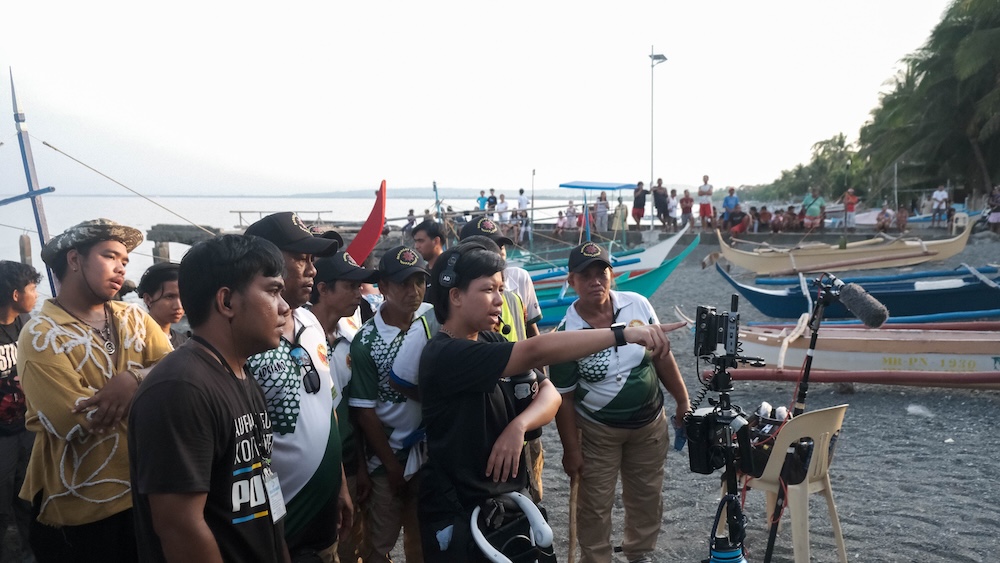
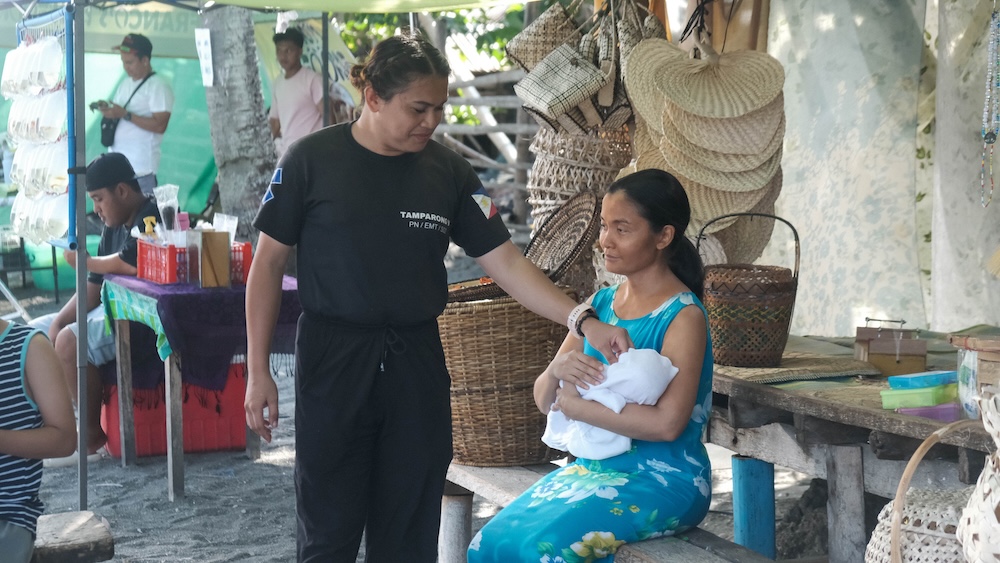
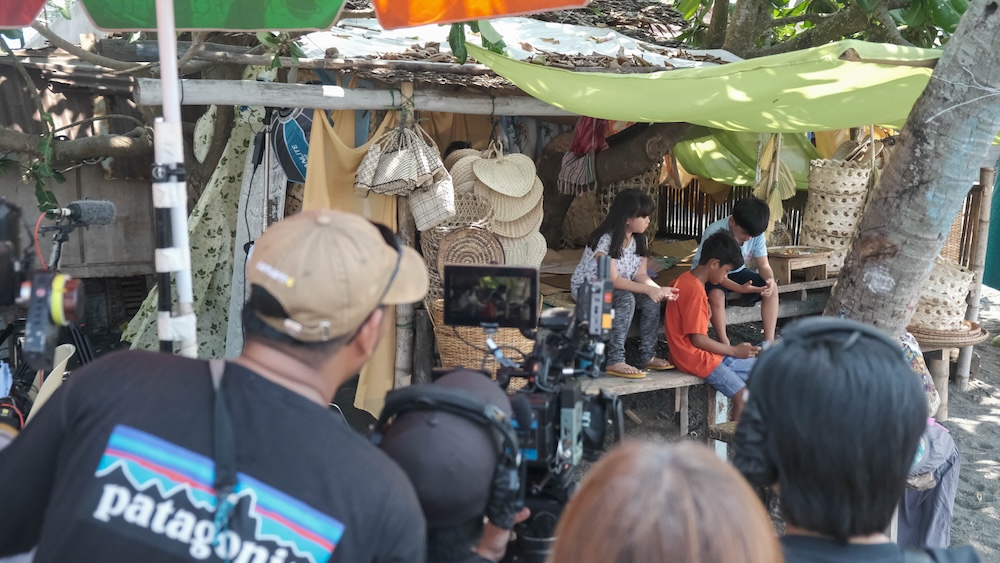
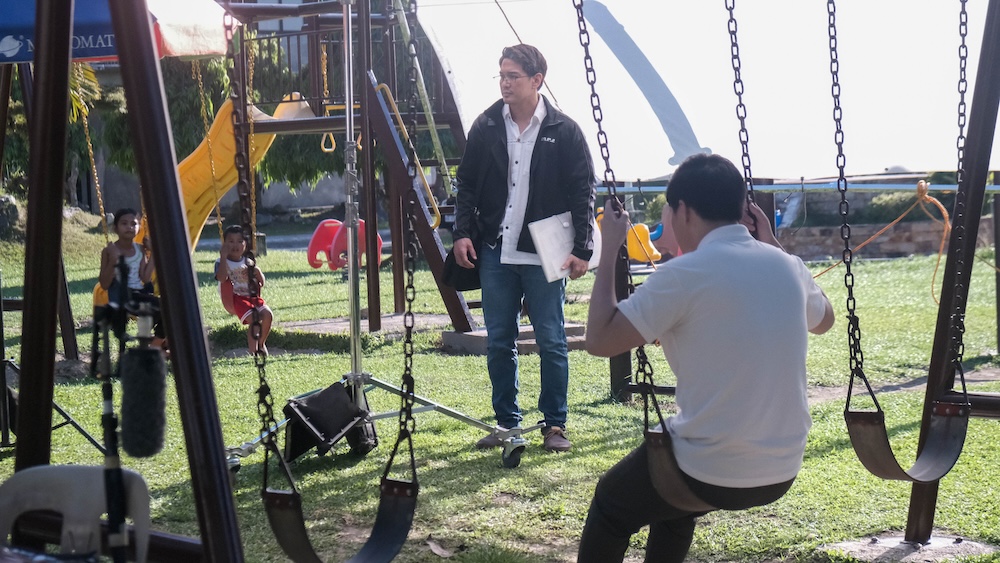
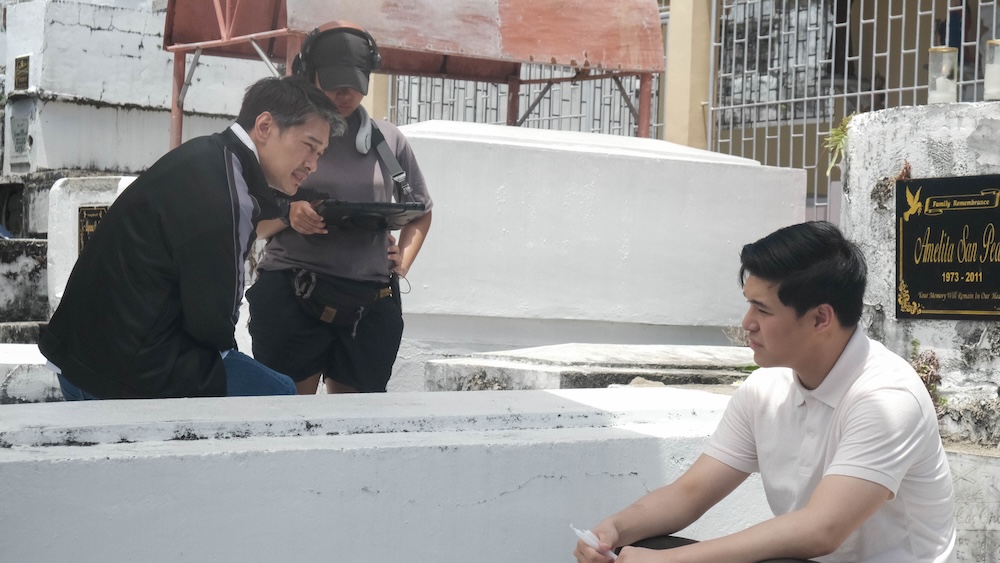
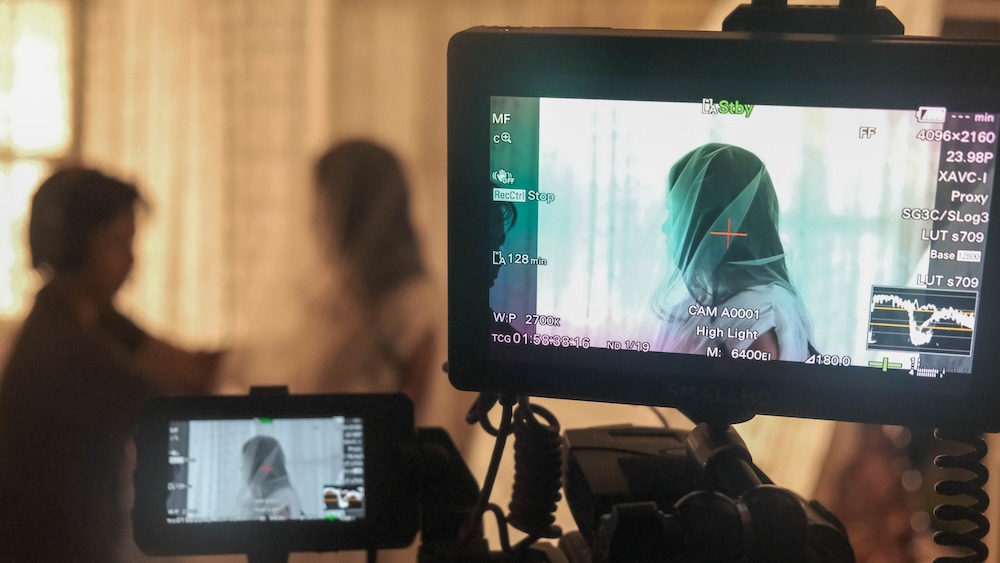
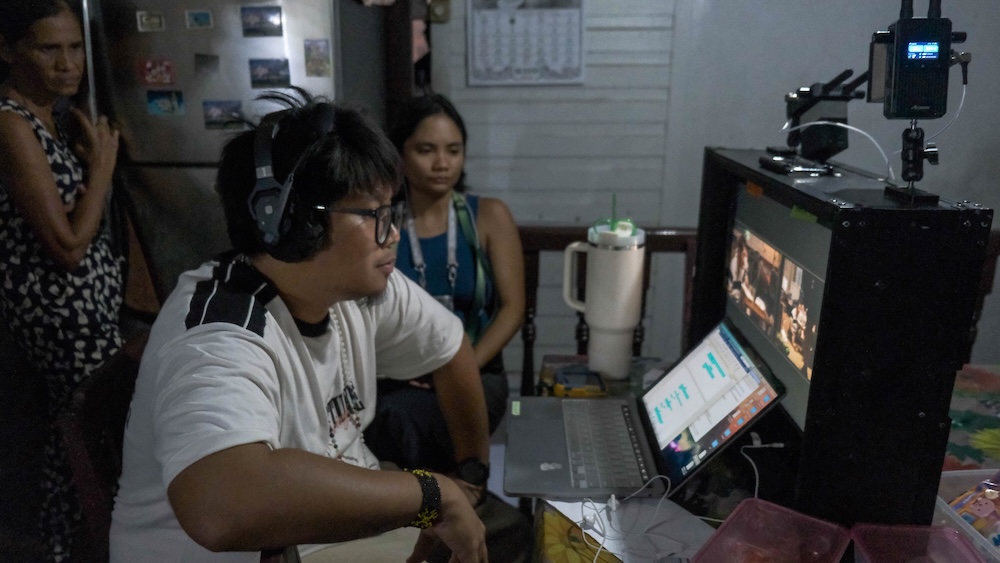
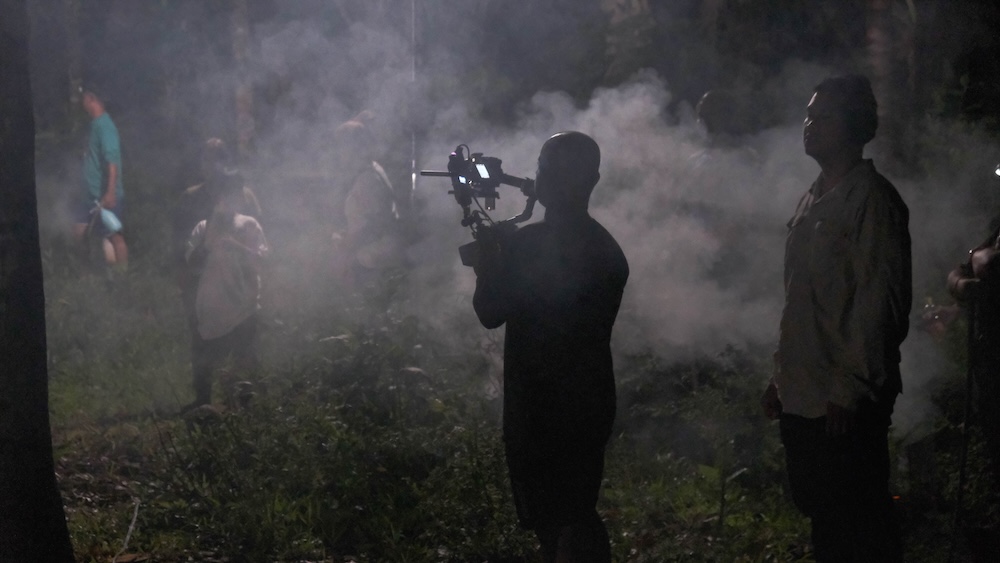
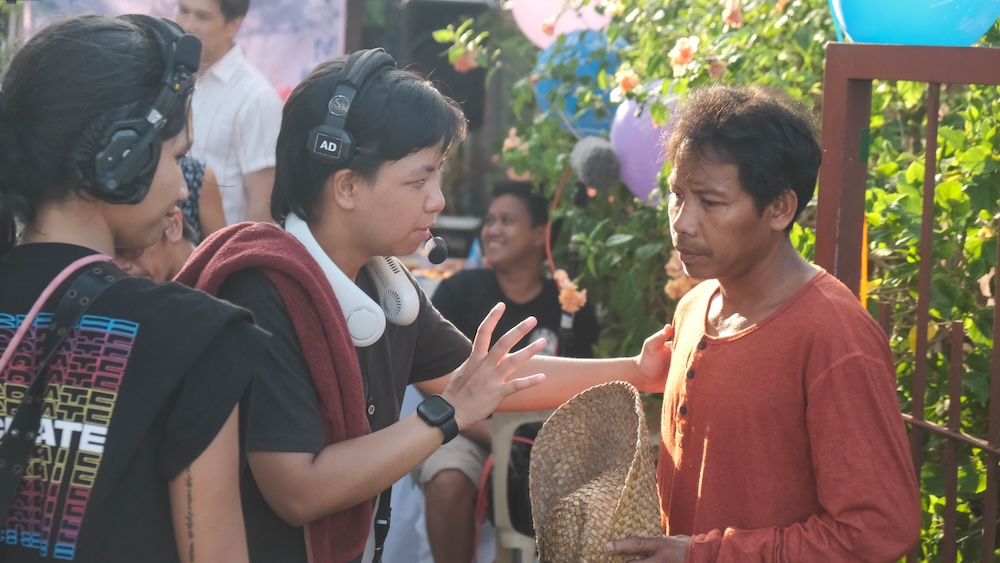
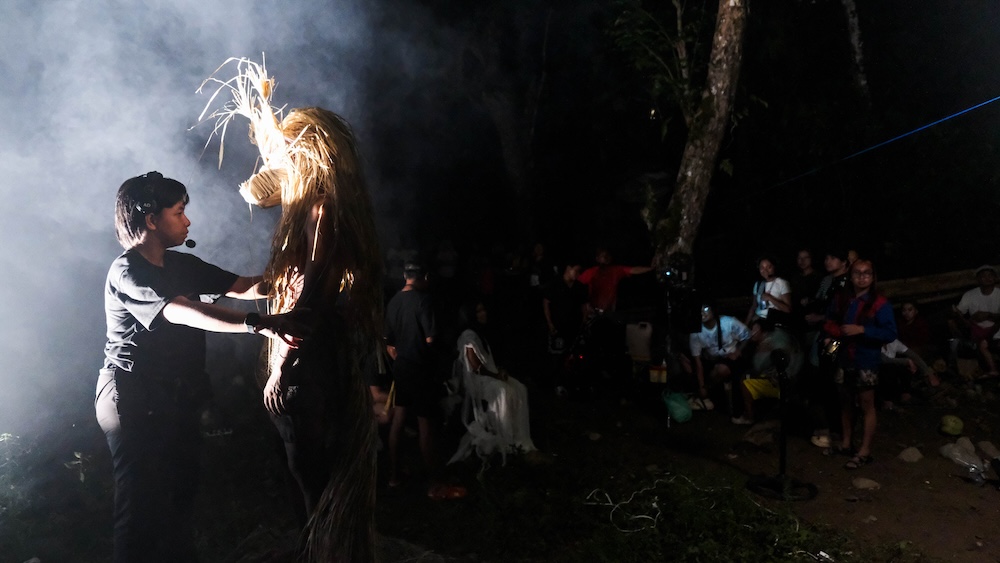
BEHIND THE SCENES